

Achieving a successful transformation requires more than just lifting heavy weights in the gym. Without the right nutritional fuel, your muscles cannot repair or grow. Whether you are a beginner looking to bulk up or an experienced athlete optimizing your nutrition, following a structured 7-day meal plan for muscle gain is the most effective way to hit your daily macronutrient and caloric targets.
Understanding Muscle Gain Nutrition: Calories and Macros
To stimulate hypertrophy (muscle growth), your body needs a caloric surplus (consuming 10% to 20% more calories than you burn daily) alongside targeted resistance training.
- Protein (1.6 to 2.2g per kg of body weight): Essential for repairing muscle fibers broken down during intense workouts.
- Carbohydrates (40% to 50% of total calories): Act as primary fuel, keeping your glycogen stores full so you can lift harder and longer.
- Fats (20% to 30% of total calories): Crucial for hormone regulation, including testosterone production, which drives recovery.
Best Foods for Muscle Growth
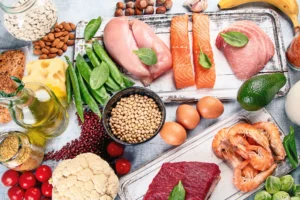
Before diving into the weekly schedule, stocking your kitchen with the right food for muscle growth ensures consistency. Incorporating nutrient-dense whole foods prevents unwanted fat accumulation while fueling lean mass.
Top Muscle-Building Food Sources
- Proteins: Chicken breast, lean cuts of beef, whole eggs, Greek yogurt, paneer, tofu, soya chunks, and lentils.
- Carbohydrates: Oats, brown rice, sweet potatoes, whole-wheat rotis, quinoa, and bananas.
- Healthy Fats: Almonds, walnuts, peanut butter, chia seeds, and a modest amount of cold-pressed oils or ghee.
The Ultimate 7-Day Meal Plan for Muscle Gain
This flexible, balanced gym diet plan for muscle gain combines clean proteins, complex carbohydrates, and healthy fats to support maximum recovery and performance.
| Day | Breakfast | Mid-Morning Snack | Lunch | Evening Snack | Dinner |
| Day 1 | 3-egg white & 1 whole egg omelette, 2 whole-wheat toasts | Handful of mixed almonds and walnuts | Grilled chicken breast (150g) with brown rice and steamed broccoli | 1 banana with 1 tbsp peanut butter | Paneer or tofu curry with 2 multigrain rotis |
| Day 2 | Oatmeal cooked in milk with berries and a scoop of whey protein | Greek yogurt with honey | Brown rice, dal (lentils), and mixed vegetable sabzi | Roasted chickpeas (chana) | Lean fish curry (or soya chunks) with basmati rice |
| Day 3 | Paneer bhurji (100g) with 2 whole-wheat parathas | Apple slices with almond butter | Quinoa bowl with grilled turkey or paneer and roasted veggies | Protein shake with water or skim milk | 2 chapatis with egg curry (3 eggs) or lentil dal |
| Day 4 | Besan chilla (2 pieces) with mint chutney | Orange or seasonal fruit | Whole-wheat pasta with lean ground beef or plant-based protein sauce | Handful of roasted peanuts | Baked chicken or paneer with sweet potato mash and asparagus |
| Day 5 | Greek yogurt granola bowl with chia seeds | Protein smoothie with banana and peanut butter | Steamed rice, rajma (kidney beans) curry, and side salad | Boiled sweet potato | Stir-fried tofu/chicken with bell peppers and brown rice |
| Day 6 | Poha with peanuts and a glass of warm milk | Handful of walnuts and dates | Soya chunks masala curry with 2 chapatis and curd | Roasted makhana (foxnuts) | Lean beef or lentil chili with brown rice |
| Day 7 | Whole wheat paratha with fresh curd and mixed vegetables | Mixed fruit bowl | Chicken or vegetable biryani with a side of raita | Protein shake with rice cakes | Baked salmon or paneer steak with roasted root vegetables |
Crafting Your Own Diet Plan for Muscle Gain
Every individual’s body handles calories differently. If your scale weight remains static for two consecutive weeks, increase your daily caloric intake by 250 to 300 calories—primarily through complex carbohydrates or healthy fats.
- Pre-Workout Fuel: Eat a light meal containing fast-digesting carbs and moderate protein (like a banana or oatmeal) 60 to 90 minutes before hitting the gym.
- Post-Workout Recovery: Prioritize a protein-and-carb combination within two hours post-training to accelerate glycogen replenishment and muscle protein synthesis.
- Hydration: Water regulates body temperature and metabolic functions. Aim for at least 3 to 4 liters of water daily, especially during intense training cycles.

Conclusion
Mastering your physique requires aligning your gym efforts with structured nutrition. Following a well-rounded 7-day meal plan for muscle gain provides your body with the caloric surplus, amino acids, and essential nutrients needed to fuel intense workouts and accelerate recovery. Focus on consuming high-quality whole foods, staying consistent with your daily protein goals, and progressively challenging your muscles in the gym. Stick to this continuous eating strategy, listen to your body, and adjust your intake as you progress to build sustainable, lean muscle mass over time.
Frequently Asked Questions (FAQs)
How much protein do I actually need every day for muscle growth?
Most sports science guidelines, including the International Society of Sports Nutrition (ISSN), recommend consuming between 1.6 to 2.2 grams of protein per kilogram of body weight daily to optimize muscle repair and growth.
Can I follow a vegetarian or vegan diet to build serious muscle?
Yes. While animal proteins offer a complete amino acid profile instantly, you can easily build muscle on a vegetarian or vegan diet plan for muscle gain by combining plant proteins (such as rice and lentils) and incorporating high-protein options like paneer, tofu, soya chunks, Greek yogurt, and plant-based protein powders.
How fast can I expect to see muscle growth results?
Visible and measurable muscle hypertrophy is a gradual process. With a consistent caloric surplus, progressive overload in your strength training routine, and adequate rest, most beginners can expect to build around 0.5 to 1 kg of clean muscle mass per month.
What are the best pre-workout and post-workout foods to gain muscle?
For pre-workout fuel, consume fast-digesting carbohydrates paired with moderate protein 60 to 90 minutes before your workout, such as a banana with peanut butter or oatmeal with whey protein. Post-workout, prioritize a combination of protein and carbs within 1 to 2 hours—like a protein shake with fruit or grilled chicken with sweet potatoes—to kickstart muscle protein synthesis and replenish glycogen stores.
Do I need to take protein supplements to follow a gym diet plan for muscle gain?
No, protein supplements are not mandatory if you can reach your target protein intake (1.6 to 2.2 grams per kilogram of body weight) purely through whole foods to gain muscle, such as eggs, chicken, fish, paneer, tofu, lentils, and Greek yogurt. However, whey or plant protein powders offer a convenient, highly bioavailable way to hit your daily goals when on the go.