
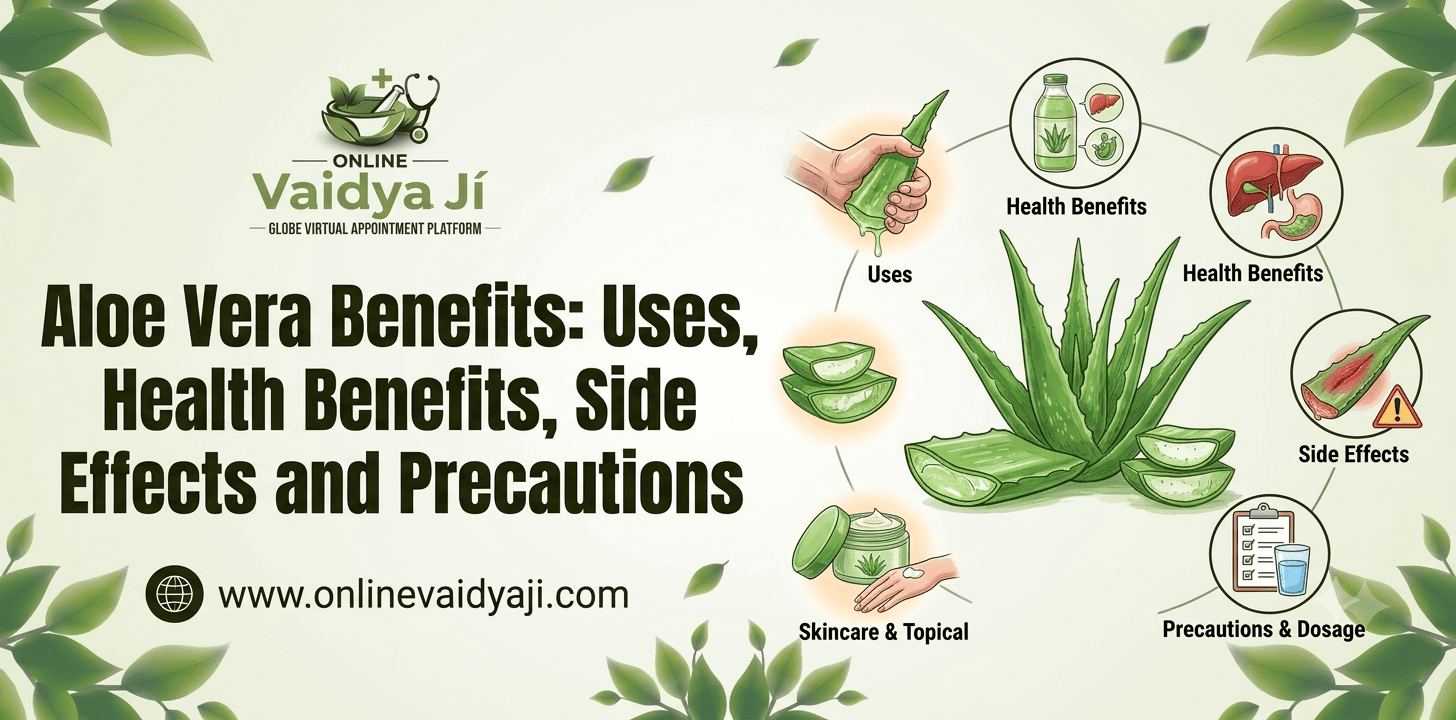
Often hailed as the “plant of immortality” in ancient texts, aloe vera has spent thousands of years securing its place as a cornerstone of natural healing, skincare, and holistic wellness. From soothing minor kitchen burns to acting as a nutrient-dense dietary supplement, this succulent plant holds remarkable versatility.
Whether you are looking to revitalize your daily skincare routine, optimize your digestion, or understand the safety and side effects associated with its consumption, this comprehensive guide covers everything you need to know about unlocking the true potential of aloe vera.
What is Aloe Vera and What is Its Nutritional Value?

Aloe vera is a thick, short-stemmed succulent plant belonging to the genus Aloe. The plant stores water in its leaves, creating a clear, viscous gel that is packed with active compounds, vitamins, minerals, amino acids, and antioxidants.
Understanding the aloe vera nutritional value reveals why it functions as more than just a topical remedy:
- Vitamins: Rich in Vitamins A, C, and E (which act as powerful antioxidants), as well as Vitamin B12, folic acid, and choline.
- Minerals: Contains essential trace minerals including calcium, magnesium, potassium, copper, selenium, zinc, and chromium.
- Enzymes: Features bradykinase (which helps reduce excessive inflammation when applied topically) alongside amylase and lipase to aid digestion.
- Amino Acids: Supplies vital building blocks for protein synthesis, including 8 out of 8 essential amino acids.
Top Uses of Aloe Vera in Daily Life
The uses of aloe vera span across personal care, beauty regimens, and wellness practices. Because of its cooling, antimicrobial, and deeply moisturizing profile, it integrates seamlessly into everyday routines.
- Natural Skincare Moisturizer: Unlike heavy synthetic creams that clog pores, aloe vera gel offers lightweight hydration that suits oily, dry, and sensitive skin types alike.
- Soothing Sunburn Treatment: Its cooling anti-inflammatory properties penetrate the epithelial skin layer to reduce UV-induced redness and trap moisture.
- Scalp and Hair Nourishment: Applied as a mask, it helps balance scalp pH, combat stubborn dandruff, and condition brittle strands.
- Natural Household First Aid: Applied to minor cuts, insect bites, or abrasions, it acts as a mild antiseptic and accelerates tissue repair.
Comprehensive Health Benefits of Aloe Vera
Beyond its external applications, incorporating pure extracts or gel preparations internally yields impressive aloe vera health benefits for the human body.
1. Digestive Support and Gut Health
The latex and gel compounds found within the leaves help regulate bowel movements, making it a traditional remedy for easing occasional constipation. Regular integration can soothe the gastrointestinal tract and minimize internal discomfort.
2. Immune System Fortification
Packed with polysaccharides and antioxidants, aloe vera helps neutralize harmful free radicals and stimulates white blood cell activity, bolstering natural defense mechanisms against common pathogens.
3. Blood Sugar Regulation
Emerging studies indicate that consistent consumption of aloe extracts may support metabolic health by assisting in the maintenance of healthy blood glucose levels.
Read More Blog : Saline Nasal Drops for Babies: When to Use Them and How They Work
The Therapeutic Advantages of Aloe Vera Juice Benefits
Extracting the inner fillet into a consumable liquid format introduces distinct aloe vera juice benefits:
- Internal Detoxification: Drinking diluted juice on an empty stomach supports kidney and liver function while helping clear out metabolic waste.
- Acid Reflux and Heartburn Relief: It can soothe the lining of the esophagus and stomach, providing mild relief from Gastro-oesophageal Reflux Disease (GERD) symptoms.
- Hydration Boost: High water concentrations help maintain cellular hydration and post-workout recovery.
Comparison: Topical Application vs. Oral Consumption
To maximize safety and efficacy, it is vital to understand the structural differences between using aloe vera externally versus internally.
| Feature | Topical Application (Gel) | Oral Consumption (Juice/Extract) |
| Primary Goal | Skin hydration, acne reduction, wound healing, sunburn relief | Digestion support, detoxification, metabolic regulation |
| Key Mechanism | Delivers vitamins E & C, bradykinase, and amino acids directly to skin cells | Delivers anthraquinone glycosides and polysaccharides to the gastrointestinal tract |
| Best Suited For | Eczema flare-ups, minor burns, dry skin, scalp dandruff | Constipation relief, general wellness, metabolic support |
Potential Aloe Vera Side Effects and Precautions
While natural remedies are generally safe, improper use or overconsumption can trigger adverse reactions. Recognizing potential aloe vera side effects ensures a safe wellness journey:
- Gastrointestinal Distress: Unprocessed aloe latex contains strong laxative properties that can cause abdominal cramps, diarrhea, and electrolyte imbalances if ingested in excess.
- Allergic Reactions: Individuals sensitive to members of the Liliaceae family (such as onions, garlic, and tulips) may experience skin rashes, hives, or contact dermatitis.
- Drug Interactions: Oral consumption can lower blood sugar levels, potentially compounding the effects of diabetes medications or interacting with diuretics and blood thinners.
Important Precaution: Pregnant or breastfeeding women and individuals scheduled for upcoming surgeries should avoid consuming oral aloe preparations unless explicitly approved by a qualified medical professional.
Conclusion
From treating minor skin irritations to supporting metabolic wellness and digestive health, aloe vera remains one of nature’s most versatile therapeutic plants. By understanding the optimal ways to utilize its soothing gels and nutrient-rich extracts, you can safely harness its powerful healing properties. Whether you are adding it to your morning hydration routine or keeping a leaf on hand for kitchen first aid, practicing proper precautions ensures you reap the maximum aloe vera benefits for long-term health and vitality.
Frequently Asked Questions (FAQs)
Can I apply raw aloe vera gel straight from the plant onto my face daily?
Yes, pure inner-leaf gel is gentle enough for daily use on most skin types. However, always perform a patch test on your inner forearm first to rule out any allergic sensitivities. Ensure you rinse away the yellow latex layer (aloesin), as it can sometimes cause skin irritation.
Does aloe vera help with stubborn acne and dark spots?
Aloe vera features natural antibacterial and anti-inflammatory properties that help calm active breakouts and reduce redness. Over time, its ability to support skin cell turnover can also assist in fading minor post-acne blemishes and dark spots.
How much aloe vera juice is safe to drink per day?
If you are incorporating juice into your diet, start with a small amount (around 1 to 2 tablespoons) to monitor how your digestive system reacts. Always choose purified, commercial products specifically labeled safe for internal consumption rather than blending raw whole leaves at home.
Can aloe vera interact with prescription medications?
Yes. Oral aloe vera can influence blood sugar levels and potassium concentrations. If you are managing diabetes, heart conditions, or taking regular prescription drugs, consult your doctor before adding aloe supplements to your routine.