
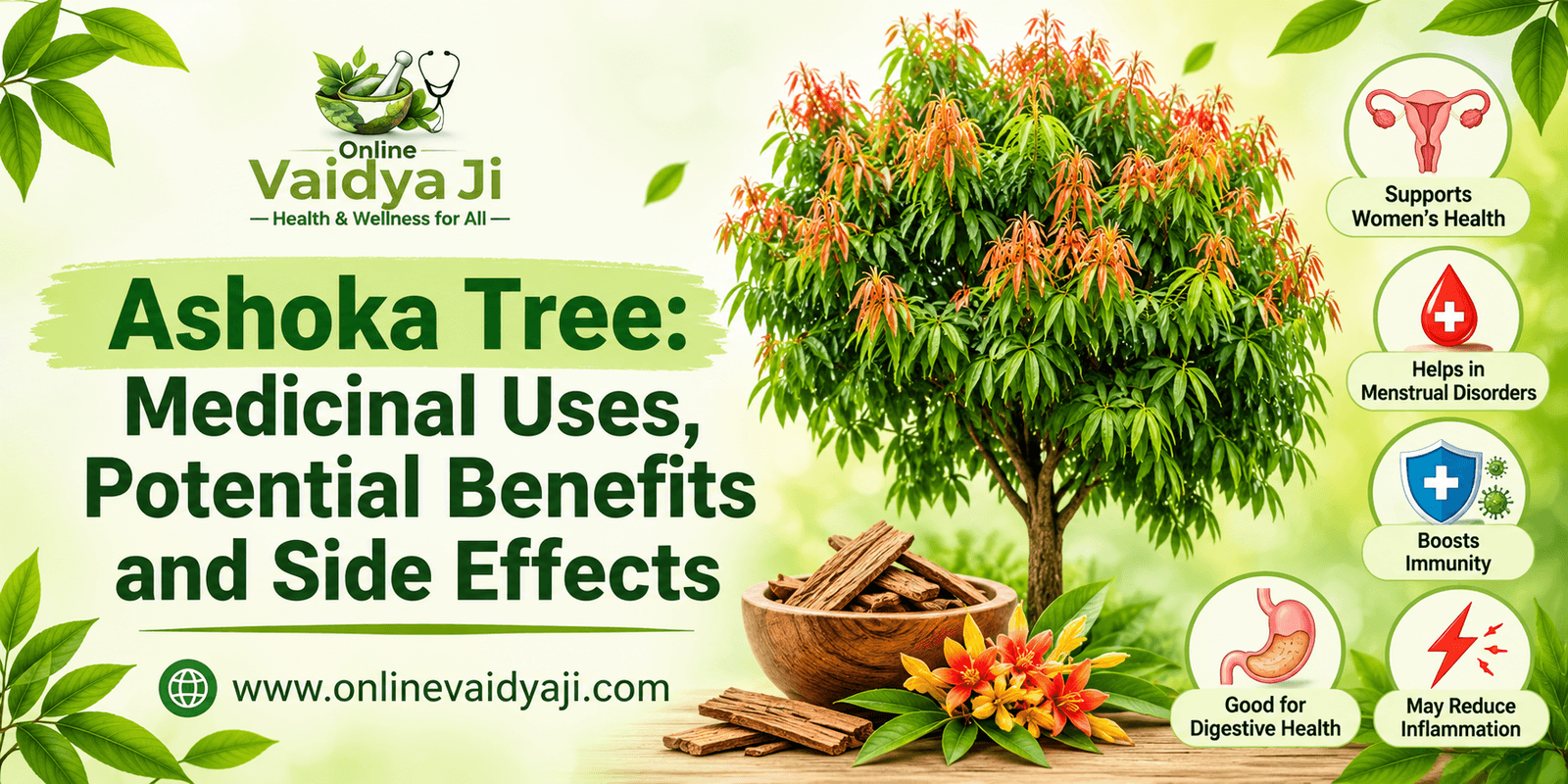
The Ashoka tree (Saraca asoca) is one of the most sacred and revered trees in traditional Indian culture and Ayurvedic medicine. Known scientifically for its powerful bioactive compounds, the tree—particularly its bark—has been utilized for centuries to support women’s health, regulate menstrual cycles, and promote overall wellness.
Whether you are exploring natural healing remedies or researching the traditional pharmacopeia, understanding the various Ashoka tree benefits, its historical Ashoka tree medicinal uses, and potential safety considerations is essential for informed health choices.
What is the Ashoka Tree?

The Ashoka tree is an evergreen rainforest tree native to the Indian subcontinent and Southeast Asia. Its name translates from Sanskrit as “without sorrow,” reflecting its historical reputation for alleviating physical pain, emotional distress, and reproductive disorders in women. While every part of the tree holds value in Ayurveda, the Ashoka bark benefits are the most widely studied and utilized in herbal formulations.
Key Ashoka Tree Medicinal Uses in Ayurveda
In traditional Ayurvedic medicine, the Ashoka tree is classified as Sthrigrahani and Kashaya (astringent), making it a cornerstone for balancing the Pitta and Kapha doshas.
- Gynecological Support: Traditionally prescribed for menorrhagia (heavy menstrual bleeding), dysmenorrhea (painful periods), and uterine fibroids.
- Digestive Health: Its astringent properties help manage dysentery, internal bleeding, and diarrhea.
- Skin and Wound Care: Paste made from the bark and flowers is traditionally applied to soothe skin inflammations, scorpion stings, and minor wounds.
Top Health Benefits of Ashoka Tree Bark and Extracts
Modern herbal research continues to validate many traditional claims. Below are the key health benefits associated with regular and supervised use of Ashoka preparations:
1. Regulates Menstrual Cycles and Reduces Pain
Ashoka bark contains active phytoestrogenic compounds and glycosides that stimulate uterine muscles, helping to regulate menstrual flow and reduce severe abdominal cramps and spasmodic pain during periods.
2. Supports Uterine Health
Ayurvedic practitioners frequently recommend Ashoka-based formulations like Ashokarishtam to tone uterine tissues, improve ovarian health, and assist the body in recovering from hormonal imbalances.
3. Anti-inflammatory and Antioxidant Properties
Rich in flavonoids, tannins, and phenolic compounds, Ashoka bark exhibits powerful antioxidant activity that neutralizes free radicals, protects cells from oxidative stress, and minimizes chronic inflammation.
4. Antimicrobial and Healing Effects
Extracts from the leaves and bark display significant antibacterial and antifungal properties, assisting the body in fighting off common pathogens and accelerating skin wound healing.
Comparison of Ashoka Tree Parts and Their Traditional Uses
| Plant Part | Primary Active Constituents | Core Ayurvedic & Medicinal Uses |
| Bark | Tannins, flavonoids, glycosides, saponins | Heavy menstrual bleeding, uterine tonic, digestive health, bleeding piles |
| Flowers | Ketosteroids, fatty acids, oleic acid | Dysentery, cardiac tonic, bleeding disorders, skin inflammation |
| Leaves | Phenolic compounds, essential oils | Stomach pain, snake/scorpion bites, internal detox |
| Seeds | Polysaccharides, proteins | Urinary tract infections, bone strengthening |
Potential Side Effects and Precautions
While natural, herbal supplements require careful handling and professional guidance:
- Pregnancy and Breastfeeding: Pregnant or nursing women should avoid consuming Ashoka preparations unless specifically prescribed by an Ayurvedic physician, as it directly stimulates uterine tissues.
- Hormonal Sensitivity: Because it possesses phytoestrogenic properties, individuals with hormone-sensitive conditions should exercise caution.
- Constipation: Due to its high tannin content and strong astringent nature, excessive intake without proper water or supervision can lead to mild constipation.

Conclusion
The Ashoka tree (Saraca asoca) remains a powerful botanical asset bridging ancient Ayurvedic traditions with modern herbal science. From its targeted support for female reproductive wellness and menstrual regulation to its robust anti-inflammatory and digestive properties, understanding ashoka tree benefits provides valuable insight into natural healthcare.
Whether you are exploring traditional decoctions or seeking holistic remedies, incorporating ashoka tree medicinal uses safely and effectively requires professional guidance and high-quality preparations. By respecting its potent bioactive properties, you can harness the natural healing potential of this sacred tree while ensuring optimal health and safety.
Frequently Asked Questions (FAQs)
What are the primary health benefits of the Ashoka tree?
The Ashoka tree—specifically its bark—is primarily renowned for supporting women’s reproductive health, regulating menstrual cycles, relieving menstrual cramps, and acting as a uterine tonic. It also offers antioxidant, anti-inflammatory, and digestive benefits.
How is Ashoka bark typically consumed?
Ashoka bark is most commonly consumed as a decoction (Kashayam), herbal powder (Churna), or fermented liquid tonic known as Ashokarishtam, prepared under the guidance of a qualified Ayurvedic practitioner.
Are there any side effects of using Ashoka tree products?
When taken in recommended dosages, Ashoka is generally safe for most individuals. However, overconsumption may cause constipation due to its astringent nature. It is strictly contraindicated during pregnancy unless prescribed by a medical professional.
Can Ashoka tree help with heavy menstrual bleeding?
Yes, Ashoka bark has been traditionally used for centuries to manage menorrhagia (excessive or prolonged menstrual bleeding) due to its astringent and uterine-toning properties.