As more and more space is being created in the rapidly changing health care system of India for traditional as well as complementary health care, it is the responsibility of a Homeopathy Clinic in Nagpur to make patients understand the difference between what they want and what works in their case on a scientific basis.
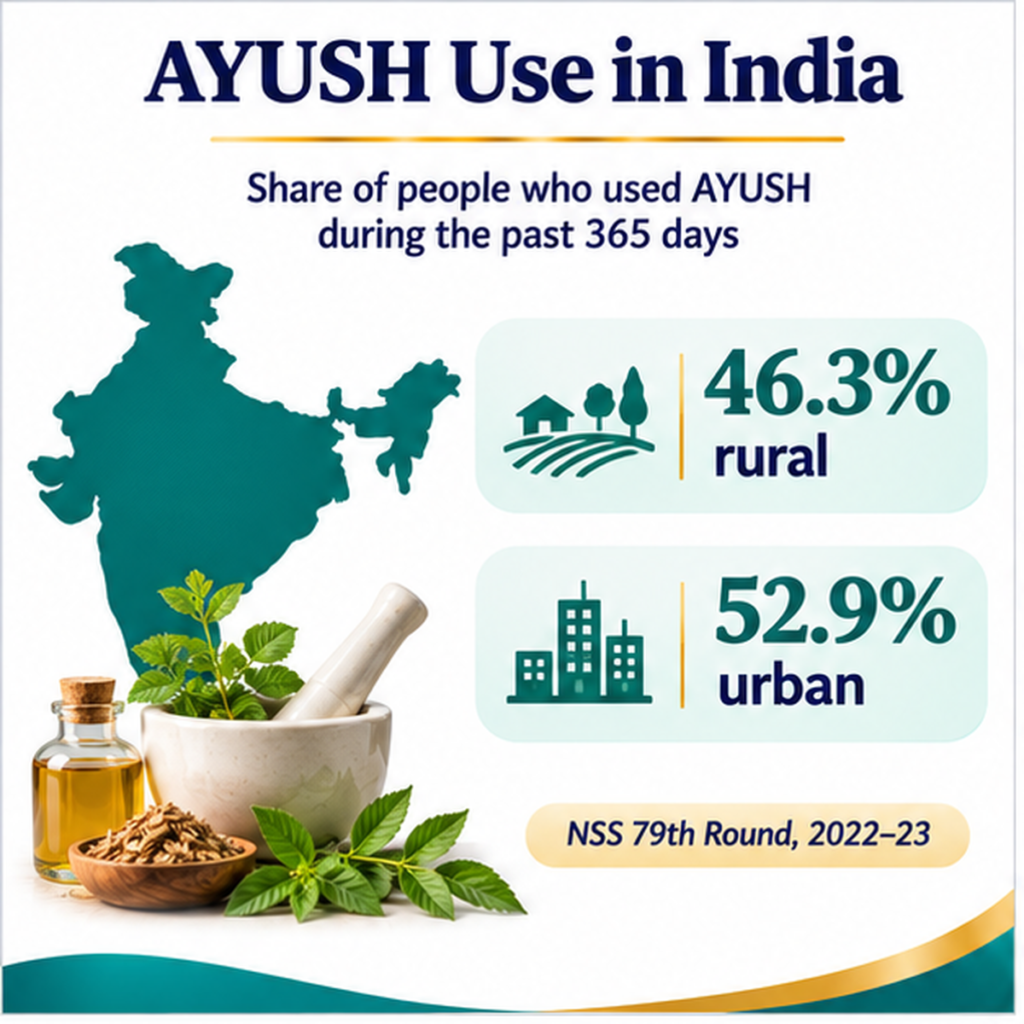
The National Sample Survey Office’s 79th-round AYUSH survey conducted during July 2022 to June 2023 reported 46.3% of rural and 52.9% of urban population using AYUSH during the 365 days preceding the survey. The AYUSH awareness in rural areas stood at 95% and in urban areas at 96%.
However, the survey has included home remedies and other self-administered health care in the estimates of AYUSH use. Hence, the percentage of Indians who are going to registered AYUSH clinics for health care has not been captured in the survey.
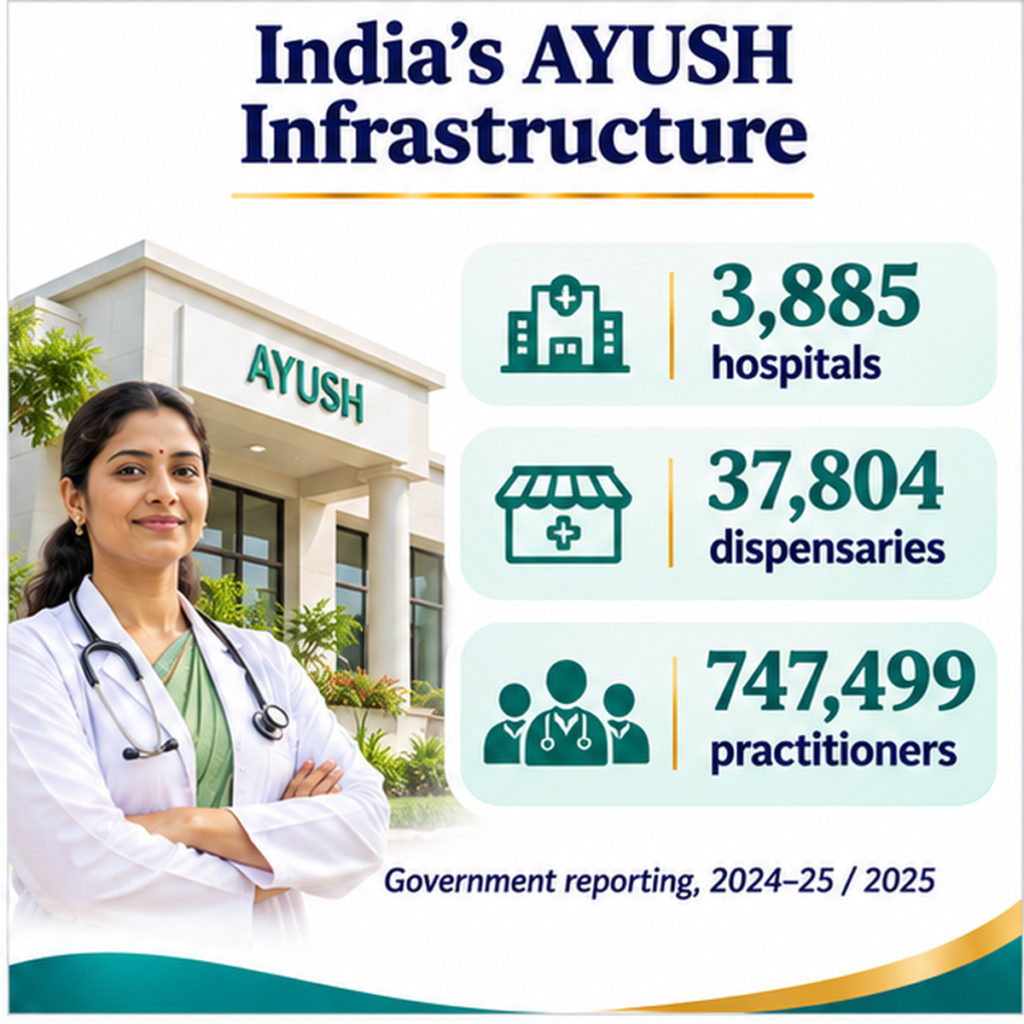
There is a vast health care delivery system. The Government of India has listed 3,885 AYUSH hospitals and 37,804 AYUSH dispensaries all over the country in the year 2024–25.
This integrated healthcare service model is well exemplified by an Ayurveda Hospital in Bangalore that offers various Ayurveda services along with diagnostic, curative, and rehabilitation services of modern healthcare. However, it is important to ensure that evidence for such integration is available and treatment is made available in an appropriate clinical setting with transparency in its limitations.
1. AYUSH Awareness Is High, but Utilisation Requires Careful Interpretation.
The survey covered 181,298 households across rural and urban locations.
A key observation from the survey results presented here is the distinction between awareness and utilization of AYUSH systems of medicine.
Even though there is high awareness about AYUSH among the people, only less than 55% of the respondents reported use of any AYUSH system for treatment during the year before the survey.
Among the different systems of traditional medicine practiced and utilized, Ayurveda emerged as the most practiced system of traditional medicine, with 40.5% usage in rural settings and 45.5% in urban settings.
The survey also found that AYUSH was generally used for preventive purposes or for regenerating health in patients.
This distinction is important for healthcare planning.
Public awareness, treatment use, patient satisfaction, and clinical effectiveness are all different indicators, and none of them should be used as a substitute for the others.
Future research would also benefit from data that describe what kind of services AYUSH patients use and what health problems they suffer from. Measuring patients’ health care expenditures and clinical end outcomes would also be valuable.
2. India’s AYUSH Infrastructure Has Expanded

The Ministry of AYUSH has been carrying out the development of health care facilities, education, and research and development of Ayurveda, Yoga and Unani in the System of Medicine and Homeopathy.
Administrative datasets for December 2025 stated that there were 747,499 AYUSH practitioners and 3,885 AYUSH hospitals in the country.
The same source also mentions that for the academic year 2025–26, the undergraduate training capacity in AYUSH is 66,718 seats.
Even bigger numbers don’t prove better healthcare.
Merely having large numbers of institutions and practitioners does not in itself provide adequate evidence of the quality of healthcare.
In addition to the indicators of the number of health institutions, health workers, and health services, the assessment of the healthcare quality provided by AYUSH practitioners must also consider other indicators, namely the level of professional competencies, diagnostic skills, quality of AYUSH medicines, referral services, and adverse events.
Institutional development must go hand in hand with assessment tools to monitor clinical standards and patient outcomes.
3. Clinical Evidence Must Guide Treatment Recommendations
A variety of traditional and complementary health approaches are part of India’s healthcare system.
Ayurveda and homeopathy are not interchangeable terms for a ‘traditional’ medicine.
There is limited evidence to support the use of many Ayurvedic interventions for several conditions. Although some have been studied, more high-quality studies of specific conditions are needed to establish the evidence for their use as treatments for a range of diseases.
For homeopathy, the US National Center for Complementary and Integrative Health (NCCIH) states that “there is little evidence that homeopathy is effective for treating or curing specific diseases.”
This distinction must be communicated clearly.
Just because a treatment is traditional, is widely used, or is available does not mean that it can be used to prevent, treat, or cure a disease.
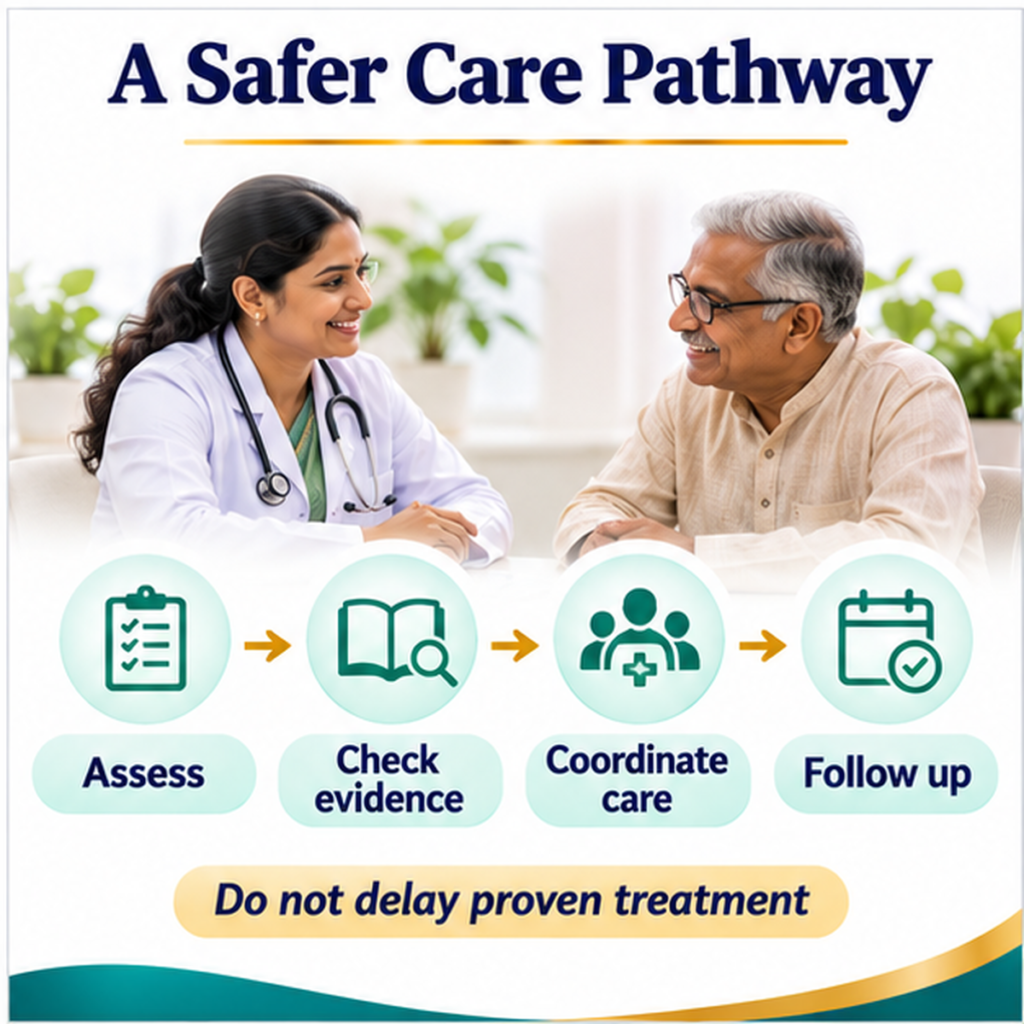
Patients with serious conditions such as asthma, diabetes, infections, or neurological diseases should not stop using proven treatment in favor of alternative treatments with no evidence of efficacy.
Therefore, when making decisions about individual patients’ treatment, clinical decisions must be based on the best available evidence and patients’ safety.
4. Medicine Safety and Quality Deserve Greater Attention
Many people consider alternative health care products to be safe because of their natural ingredients.
However, natural origin does not guarantee safety.
Some Ayurvedic medicines even contain high levels of toxic metals like mercury and lead. Other herbal products can interact with prescribed medicines and even exacerbate serious conditions.
Homeopathic medicines can also contain pharmacologically active components and thus may have interactions or even cause adverse effects.
Quality of the products, safe use of the products, and traceability of the products are very important.
All prescribed medicines, as well as all other herbal and health-promoting products and supplements, should be disclosed by patients.
Processes should be in place within healthcare institutions to recognize suspected adverse reactions and refer to conventional medical investigation when needed.
Patient safety should remain the common standard across every healthcare system.
5. Integrative Healthcare Requires Clear Clinical Boundaries
Integration of health care is often talked about as integration of all different therapies and health care approaches.
This, however, doesn’t mean that Integrated Healthcare is only offered within one Institution.
This means responsibilities need to be clearly defined, correct diagnosis needs to be ensured, the best possible treatment has to be chosen based on the evidence, and there has to be communication between the respective health care providers.
The World Health Organization’s Global Traditional Medicine Strategy 2025–2034 is focused on building the scientific evidence base, ensuring safety and enabling appropriate integration into healthcare systems across the world.
For India, it would mean more research collaborations and better monitoring of health care delivery.
Where there is sufficient evidence of safety and efficacy of a complementary intervention, it should be considered for inclusion in appropriate healthcare programs.
When the evidence is lacking, clinicians should say ‘I don’t know’ rather than promise something that isn’t proven.
6. India’s Next Priority Is Accountable, Patient-Centred Care
Assessing AYUSH healthcare in the future based on clinical quality rather than on the increase in institutions.
India requires more robust methodologies for research, transparent reporting of outcomes and reliable surveillance of treatment safety.
Patients should have clear information regarding benefits, limitations, costs and alternatives of any treatment.
Referral systems are equally important.
A patient seeking complementary care for persistent symptoms needs diagnostic work-up and possibly referral to a specialist before a treatment plan can be developed.
It is also important for providers of complementary healthcare to ensure that patients are not persuaded to delay proven medical treatment for serious or progressive conditions.
Conclusion
Ayurveda, Yoga, and other traditional systems of the country form a significant component of India’s healthcare delivery system.
Awareness of AYUSH and its usage at the national level and infrastructure for AYUSH at the governmental level are well documented.
A wide popularity with lack of credibility cannot last long.
So what would be a suitable goal for the future of AYUSH healthcare in India? Strengthening scientific evidence, patient safety, patient education, and making AYUSH an integral part of health care at all levels.