
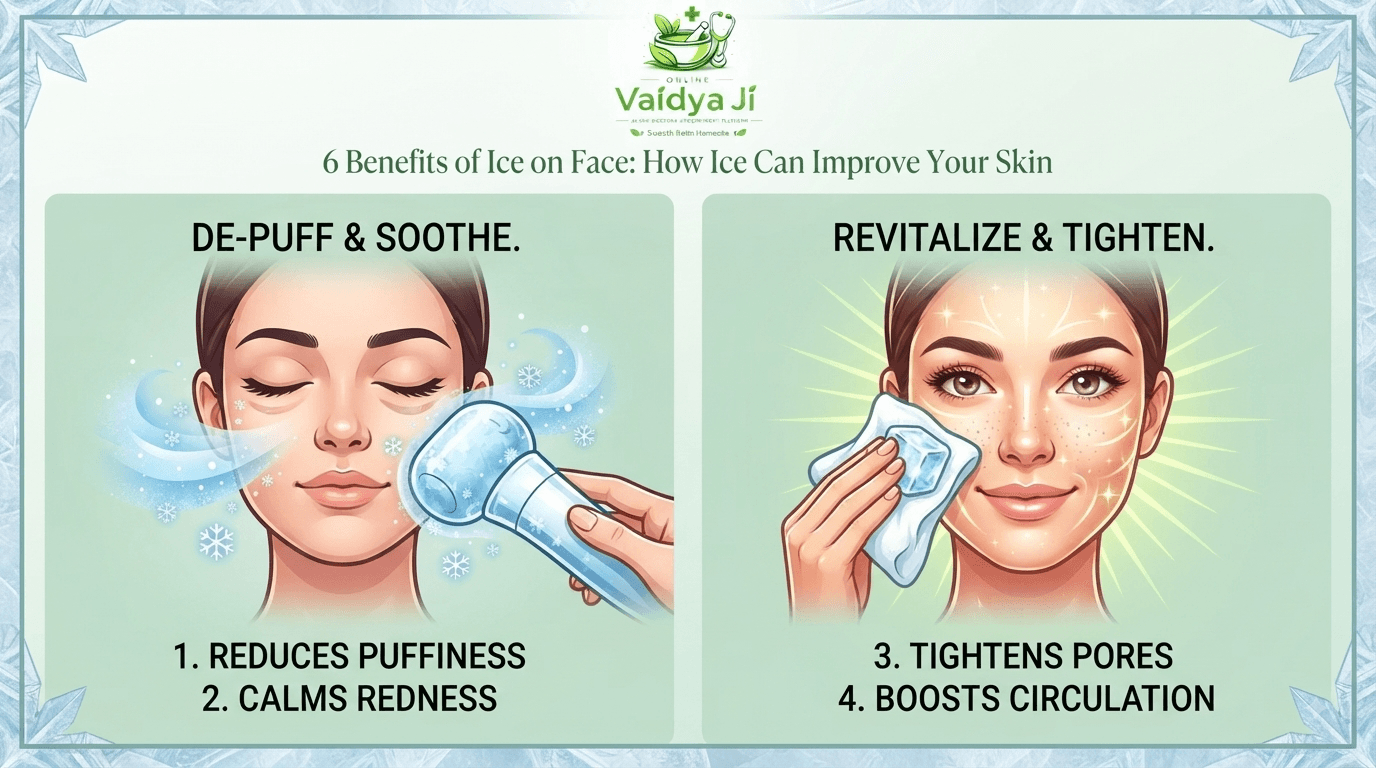
If you are looking for a zero-cost, highly effective way to level up your skincare routine, you might want to look no further than your kitchen freezer. Cryotherapy-inspired trends like ice facials have taken social media by storm, but the benefits of ice on face are rooted in genuine dermatological science. Whether you want to de-puff after a restless night or prep your skin for a big event, incorporating cold therapy can completely transform your complexion.
What Happens When You Apply Ice to Your Face?
When ice touches the skin, it triggers a physiological response known as vasoconstriction. The cold temperature causes blood vessels beneath the skin to temporarily narrow, which restricts blood flow to the targeted area.
Once the ice is removed, a rebound effect occurs: blood vessels expand, flooding the skin with fresh, oxygenated blood and essential nutrients. This rapid shift stimulates microcirculation, lowers inflammation, and delivers an array of aesthetic and health benefits.
1. Reduces Morning Puffiness and Under-Eye Bags
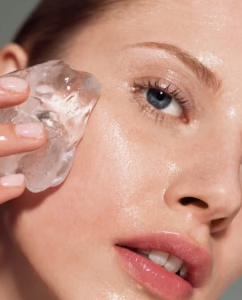
Applying ice constricts dilated blood vessels and stimulates lymphatic drainage, effectively reducing fluid accumulation around the eyes and face within minutes.
Waking up with a swollen face or heavy under-eye bags is often the result of fluid retention during sleep. One of the most sought-after benefits of rubbing ice on face is its immediate de-puffing capability.
-
The Mechanism: The cold temperature acts as a natural vasoconstrictor, signaling stagnant fluid to drain away from the orbital and cheek areas.
-
How to Do It: Wrap a few ice cubes in a clean cotton cloth or use an ergonomic ice roller. Gently glide it under your eyes in sweeping motions toward your temples for an instant awakening effect.
2. Calms Active Acne and Reduces Redness
Inflammatory acne can be painful, swollen, and stubborn. While ice is not a cure for the root causes of breakouts, applying ice on face breakouts can offer quick symptomatic relief.
-
Slowing Inflammation: The freezing temperature slows down localized inflammatory pathways, reducing the angry red halo around a pimple.
-
Numbing Pain: Intense cold temporarily numbs nerve endings in the skin, easing the throbbing discomfort associated with deep, cystic pimples.
3. Minimizes the Appearance of Pores
While pores do not possess muscles and cannot open or close permanently, they can appear larger when clogged with sebum, dead skin cells, and debris.
-
Temporary Tightening: Ice acts as a natural astringent by tightening the outer layer of the skin, making enlarged pores look significantly smaller and less noticeable.
-
Flawless Makeup Base: Many makeup artists use ice water for face dips or quick ice massages prior to foundation application because it creates a smooth, matte canvas that prevents makeup from settling into pores.
4. Boosts Circulation for an Instant Natural Glow
Dull skin can make you look tired even when you are well-rested. If you want a quick radiance boost without highlighters or blushes, ice therapy is your answer.
-
Oxygen-Rich Blood Flow: After the initial vasoconstriction phase subsides, fresh blood rushes back to the skin’s surface. This rush delivers a surge of oxygen and nutrients, leaving your face with a healthy, flushed, and revitalized glow.
5. Enhances Skincare Product Absorption
Are you investing in expensive serums and moisturizers only to feel like they sit on top of your skin? Cold therapy can help optimize your product performance.
-
The Pulling Effect: By tightening the skin and constricting capillaries, a brief cooling session creates an optimal environment that helps active ingredients in serums penetrate deeper rather than evaporating quickly.
-
Best Practice: Run an ice cube over your cleansed skin, pat dry gently, and immediately follow up with your favorite hydrating serum or hyaluronic acid.
6. Soothes Sunburns and Skin Irritations
Accidental sun exposure or minor heat rashes can leave your skin burning and distressed.
-
Cooling Relief: Clean ice wrapped in a soft barrier cloth can instantly lower skin temperature, providing comforting relief from the stinging sensations of mild sunburns or insect bites.
-
Caution: Never place bare ice directly onto compromised, peeling, or sun-blistered skin, as extreme cold can cause additional thermal shock to fragile tissues.
Traditional Ice vs. Ice Water Facials: A Quick Comparison
While both methods rely on cryotherapy principles, they serve slightly different purposes in a routine.
| Feature | Direct Ice Rolling (Cloth-Wrapped) | Ice Water Facial (Skin Dips) |
| Best For | Targeted spot-treatment, puffiness, and acne. | Overall invigoration and pore-tightening. |
| Convenience | High (can be done anywhere with an ice cube). | Moderate (requires a bowl of water and ice). |
| Control | Precise control over pressure and placement. | Engages the entire face simultaneously. |
Step-by-Step Guide: How to Safely Ice Your Face
To protect your skin barrier and avoid micro-damage (such as ice burns or broken capillaries), follow these safe execution steps:
-
Cleanse First: Always wash your face with a gentle cleanser to remove dirt and bacteria before starting.
-
Use a Barrier: Never apply raw ice straight from the freezer to bare skin. Wrap cubes in a clean cotton handkerchief, washcloth, or use an ice roller.
-
Keep it Moving: Glide the ice in gentle circular motions. Do not hold it in one spot for more than a few seconds.
-
Time Limit: Limit your entire ice facial to 1 to 2 minutes total.
-
Lock in Moisture: Follow up immediately with a gentle moisturizer or hydrating cream to seal in hydration.
Conclusion
Incorporating ice into your skincare routine is a budget-friendly, highly effective way to achieve a refreshed, glowing complexion. From shrinking morning puffiness and calming angry breakouts to boosting circulation and prepping your skin for makeup, the benefits of ice on face are undeniable.
However, moderation and proper technique are essential. Always use a clean cloth barrier, keep your sessions brief, and listen to your skin to enjoy the maximum benefits of cold therapy safely and effectively.
Frequently Asked Questions (FAQs)
Can I apply ice on my face every day?
Dermatologists generally recommend limiting ice facials to 2 to 3 times a week. Doing it daily—or leaving ice on the skin for too long—can strip natural moisture, cause excessive dryness, or aggravate sensitive skin and broken capillaries.
Does ice help get rid of dark circles?
Ice can temporarily alleviate dark circles caused by fluid retention and localized swelling by constricting blood vessels. However, it will not resolve dark circles caused by genetics, deep pigmentation, or structural shadowing under the eyes.
Should I ice my face before or after washing?
Always ice your face after cleansing. Applying ice to an unwashed face can trap dirt, makeup residue, and bacteria deeper into your pores, potentially triggering breakouts.
Can I leave ice on a pimple overnight to make it disappear?
No, leaving ice on a breakout overnight can severely damage your skin. Prolonged exposure to freezing temperatures can restrict blood circulation too much, leading to ice burns, tissue damage, or broken capillaries. Limit ice spot-treatments to no more than one minute at a time.
Is it safe to use tap water for making facial ice cubes?
It is best to use filtered, distilled, or boiled water for your facial ice cubes. Tap water often contains minerals, chlorine, and impurities that can deposit onto freshly cleansed skin and cause irritation or clogged pores, especially if you have sensitive or acne-prone skin.