

Brown sugar has become a popular pantry staple in modern kitchens, celebrated for its rich caramel flavor, moist texture, and deep aroma. Whether you are baking a batch of cookies or sweetening a morning cup of tea, understanding how brown sugar compares to white sugar helps balance culinary delight with health consciousness.
What is Brown Sugar?
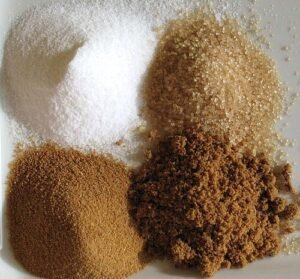
Brown sugar is a soft, moist sweetener made from sugarcane or sugar beets that retains or has had natural molasses added back into it. Molasses is the dark, viscous syrup separated during the crystallization of sugar juice. This molasses gives brown sugar its characteristic color, moisture, and deeper taste profile.
The two primary types of brown sugar available are:
- Light Brown Sugar: Contains a lower percentage of molasses, making it milder and ideal for general baking and sauces.
- Dark Brown Sugar: Contains a higher concentration of molasses, offering a robust, rich, caramel-like flavor that works exceptionally well in heavier gingerbreads, cookies, and marinades.
Nutritional Value of Brown Sugar
While brown sugar undergoes less processing than refined white sugar, its fundamental composition remains carbohydrate-driven. It contains negligible amounts of protein, fat, and water, providing rapid calories.
| Serving Size | Calories (kcal) | Carbohydrates (g) | Protein (g) | Fat (g) |
| 1 tbsp (9 g) | 34 | 8–9 | 0 | 0 |
| 1 cup, packed (220 g) | 827 | 212–220 | 0 | 0 |
| 1 cup, unpacked (145 g) | 545 | 140–145 | 0 | 0 |
Brown Sugar Benefits
While fully refined white sugar consists of nearly 99% pure sucrose, brown sugar typically contains 88% to 93% sucrose along with trace minerals and plant compounds derived from molasses. These differences contribute to several distinct advantages:
- Provides Quick Energy: Like all carbohydrates, brown sugar breaks down rapidly to deliver an immediate surge of energy, making it a quick fuel source during physical exertion.
- Supports Gentle Digestion: The inclusion of natural molasses has traditionally been associated with soothing mild indigestion and supporting smoother gastrointestinal comfort.
- Contains Trace Minerals: Because it retains residual molasses, brown sugar includes trace amounts of beneficial minerals such as calcium, potassium, iron, and magnesium.
- Delivers Superior Flavor and Aroma: The deep caramel notes enhance the taste of baked goods and beverages without requiring artificial flavor enhancements.
- Mild Antioxidant Properties: Brown sugar retains small quantities of plant phenols and flavonoids that offer mild anti-inflammatory properties compared to stripped refined sugars.
Brown Sugar Side Effects
Despite its trace mineral content, brown sugar behaves similarly to white sugar in the body. Consuming it in excess can lead to several health complications:
- Promotes Tooth Decay: Oral bacteria convert sugars into acids that erode tooth enamel, significantly raising the risk of cavities.
- Contributes to Weight Gain: Sugary foods add empty calories that fail to induce satiety, making overeating and subsequent weight gain easier.
- Triggers Blood Sugar Spikes: High quantities can rapidly elevate blood glucose levels, complicating blood sugar management for individuals with prediabetes or diabetes.
- Increases Chronic Disease Risks: Excessive consumption of added sugars is strongly correlated with systemic inflammation, obesity, metabolic syndrome, and cardiovascular issues.
Uses of Sugar and Brown Sugar in Everyday Cooking
Brown sugar is exceptionally versatile, adding moisture, color, and rich depth to both sweet and savory dishes:
- In Baking: Provides moisture and chewy textures to cookies, brownies, cakes, and muffins.
- In Savory Marinades: Balances heat and acidity in barbecue sauces, glazes, and marinades while encouraging beautiful caramelization on meats and vegetables.
- In Beverages: Enriches coffee, spiced teas, and traditional porridges with a warm, comforting sweetness.
Precautions and Smart Consumption Tips
To enjoy brown sugar safely while minimizing adverse health effects, keep the following guidelines in mind:
- Practice Moderate Intake: Treat brown sugar as an occasional luxury rather than an everyday dietary staple.
- Monitor Blood Sugar: Individuals managing diabetes should closely track their glycemic response, as brown sugar raises blood glucose comparably to refined sugar.
- Maintain Oral Hygiene: Rinse your mouth or brush your teeth after consuming sweet foods to protect tooth enamel.
- Read Labels Carefully: Check food packaging for “added sugars” to monitor your total daily intake accurately.

Conclusion
While brown sugar benefits include a richer caramel flavor, superior moisture in baking, and trace amounts of essential minerals from molasses, it remains an added sugar that requires mindful consumption. Balancing its culinary charm with portion control ensures you can enjoy its deep flavor profile while safeguarding your long-term health and wellness.
Frequently Asked Questions (FAQs)
Is brown sugar healthier than white sugar?
Brown sugar contains trace amounts of minerals and molasses that white sugar lacks, but nutritionally, they are very similar. Both are forms of added sugar and should be consumed in moderation as part of a balanced diet.
Can diabetics consume brown sugar?
People with diabetes should exercise caution with brown sugar. It raises blood glucose levels quickly, much like white sugar, and must be factored into overall daily carbohydrate limits recommended by a healthcare professional.
Why is brown sugar moist while white sugar is dry?
Brown sugar contains natural or added molasses, which retains moisture and keeps the sugar soft and clumped. White sugar undergoes extensive refining that strips away all molasses and moisture.
How can I soften hardened brown sugar?
If your brown sugar hardens, place it in an airtight container alongside a slice of fresh bread, a damp paper towel, or a terra cotta disk for a few hours. The sugar will absorb the moisture and become soft again.