
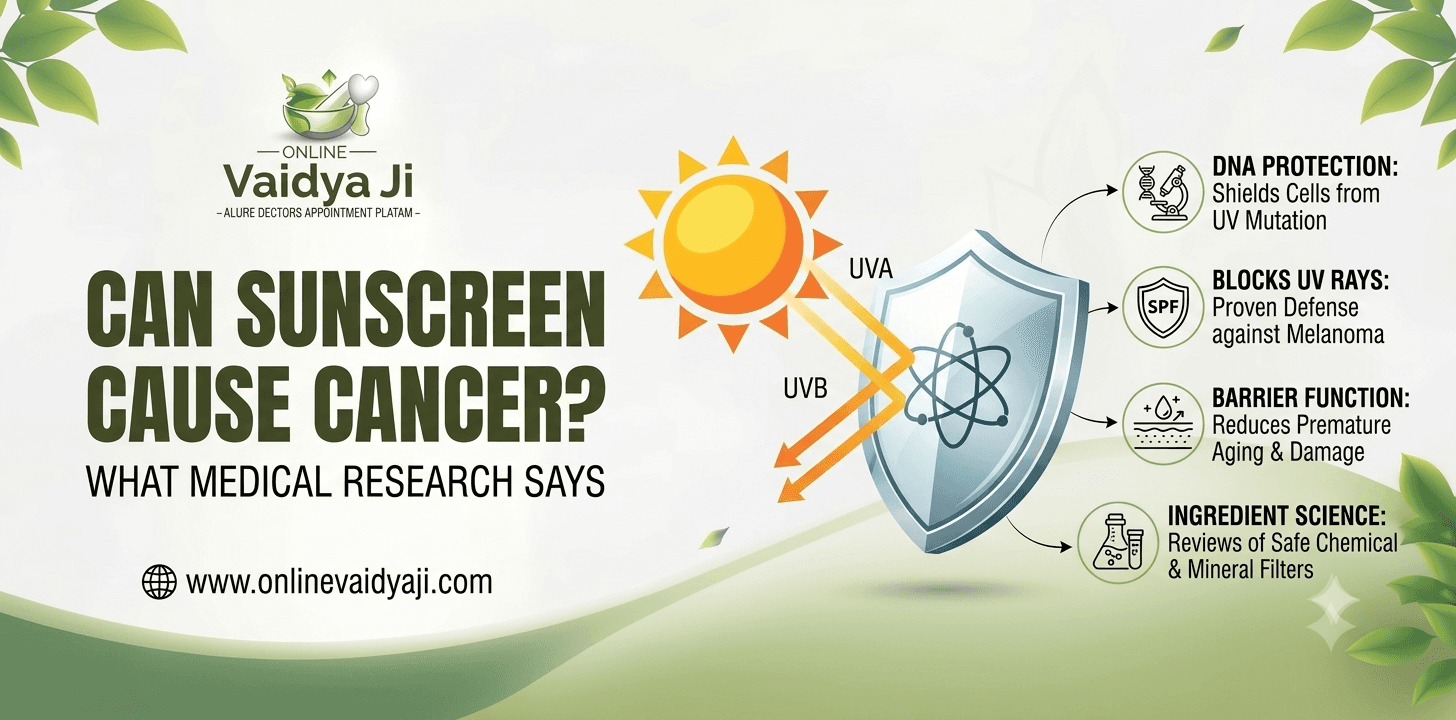
Current scientific evidence and dermatological research confirm that sunscreen cause cancer. Instead, clinical data proves that daily, correct application of sunscreen significantly prevents skin cancers, including melanoma and squamous cell carcinoma, by blocking dangerous ultraviolet (UV) radiation.
Concerns about whether sunscreen gives you cancer typically stem from misunderstandings about chemical ingredients penetrating the skin barrier. While certain studies have shown that specific chemical filters can be absorbed into the bloodstream in low amounts under maximum use conditions, absorption does not equate to toxicity or cancer risk. Regulatory agencies and extensive dermatological reviews have found no causal link between approved sunscreen formulations and cancer development.
Is Sunscreen Safe to Use Daily?
When applied according to product guidelines, sunscreen is overwhelmingly recognized as safe and effective by global health institutions, including the American Academy of Dermatology (AAD) and the U.S. Food and Drug Administration (FDA).
While regulatory bodies periodically request updated safety data on older chemical filters to maintain rigorous modern standards, health authorities have repeatedly clarified that asking for more data does not mean an ingredient is unsafe or carcinogenic.
Common Mild Side Effects vs. Serious Risks
- Skin Irritation: Occasional redness, stinging, or burning in sensitive individuals.
- Allergic Contact Dermatitis: A rare immune response to specific fragrances or chemical preservatives.
Note: These minor side effects are easily managed by switching to hypoallergenic or mineral-based alternatives and do not outweigh the monumental health benefits of guarding your skin against UV radiation.
Can Sunscreen Prevent Skin Cancer?
Many individuals mistakenly fear that putting chemical layers on their skin increases vulnerability. In reality, ultraviolet (UV) radiation from the sun is a proven, Class 1 human carcinogen.
Regularly applying a high-quality shield protects cellular DNA and dramatically lowers lifetime risks. Let’s look at how sunscreen aids in prevention:
- Blocks UVA and UVB Rays: Broad-spectrum formulas stop both aging rays (UVA) and burning rays (UVB) from penetrating deep skin tissues.
- Preserves Cellular DNA: Limiting UV penetration prevents genetic mutations that trigger abnormal cell growth.
- Prevents Severe Sunburns: Cumulative sunburn injuries are directly linked to the development of deadly melanomas.
- Clinically Proven Reduction: Long-term randomized trials confirm that daily sunscreen use lowers the incidence of squamous cell carcinoma and basal cell carcinoma.
Sunscreen Ingredients and Cancer Risk: Mineral vs. Chemical
Understanding what goes into your skincare tube helps clear up fears regarding sunscreen can cause cancer claims. Sunscreen filters are broadly categorized into two types:
| Filter Type | Common Ingredients | Mechanism of Action | Safety & Research Status |
| Mineral (Inphysical) | Zinc Oxide, Titanium Dioxide | Sits on top of the skin and physically reflects/scatters UV rays. | Widely considered exceptionally safe; zero evidence linking topical use to cancer. |
| Chemical (Organic) | Avobenzone, Octisalate, Octocrylene, Oxybenzone | Absorbs UV rays and converts them into harmless heat energy. | Permitted and regulated globally; continuous safety reviews show no established cancer link. |
Note on Restricted Ingredients: Older ingredients like PABA are largely phased out due to high rates of allergic contact dermatitis and photosensitization concerns, while others undergo routine re-evaluation to ensure absolute consumer safety.
Read More Blog : Vitamin C for Skin: Benefits, Uses, and How It Supports Healthy Skin
How to Choose a Safe Sunscreen
Selecting the right product ensures maximum defense without unnecessary skin irritation or worries about whether can sunscreens cause cancer. Look for these essential label markers:
- Broad-Spectrum Label: Ensures protection against both UVA and UVB rays.
- SPF 30 or Higher: Blocks approximately 97% of UVB rays when applied generously.
- Water Resistance: Ideal for outdoor activities, though reapplication remains mandatory.
- Skin-Type Formulations: Choose fragrance-free, non-comedogenic, or mineral-based lotions if you have sensitive skin or rosacea.
How to Use Sunscreen Correctly for Maximum Protection
Even the best sunscreen will fail if applied incorrectly. Follow these expert steps to secure full defense:
- Timing: Apply sunscreen roughly 15 to 30 minutes before stepping outdoors so the protective film can properly set.
- Quantity: Adults need about one full ounce (roughly a shot glass full) to cover exposed areas of the body adequately.
- Frequency: Reapply every two hours, or immediately after swimming, heavy sweating, or towel drying.
- Forgotten Zones: Do not miss sensitive, high-risk spots like the ears, back of the neck, eyelids, lips (use an SPF lip balm), and thinning hair partings.
When Should You Consult a Doctor?
If you notice unusual, persistent, or changing skin spots, do not attribute them to sunscreen use. Schedule an appointment with a dermatologist if you observe:
- A new mole or an existing mole changing in size, shape, or color.
- A sore, ulcer, or lesion that bleeds, crusts, or fails to heal within a few weeks.
- Severe allergic reactions, swelling, or blistering rashes following topical product application.
Conclusion
The persistent myth that sunscreen causes cancer is entirely unfounded. Extensive clinical studies and medical consensus confirm that sunscreen is a vital, life-saving tool that shields your skin from dangerous ultraviolet radiation and significantly reduces skin cancer risks. By selecting a broad-spectrum formula with an SPF of 30 or higher and applying it correctly every single day, you can enjoy the outdoors safely and keep your skin healthy for years to come.
Frequently Asked Questions (FAQs)
Is it safe to wear sunscreen every day?
Yes. Daily sunscreen application is strongly endorsed by dermatologists worldwide. There is no clinical proof that wearing daily sunscreen as directed leads to cancer or systemic health harm.
Does mineral sunscreen cause cancer?
No. Mineral sunscreens utilize physical barriers like zinc oxide and titanium dioxide, which sit safely on top of the skin. Extensive dermatological evaluations confirm they do not cause cancer.
Can expired sunscreen cause cancer?
Expired sunscreen does not cause cancer, but its active chemical filters degrade over time. This means an expired bottle will fail to provide the labeled SPF protection, leaving your skin vulnerable to sunburn and UV damage.
Do sunscreen chemicals get absorbed into the body?
While minor amounts of certain chemical UV filters can pass through the skin barrier into the bloodstream under extreme testing conditions, health agencies emphasize that absorption does not mean toxicity or an elevated cancer risk.