
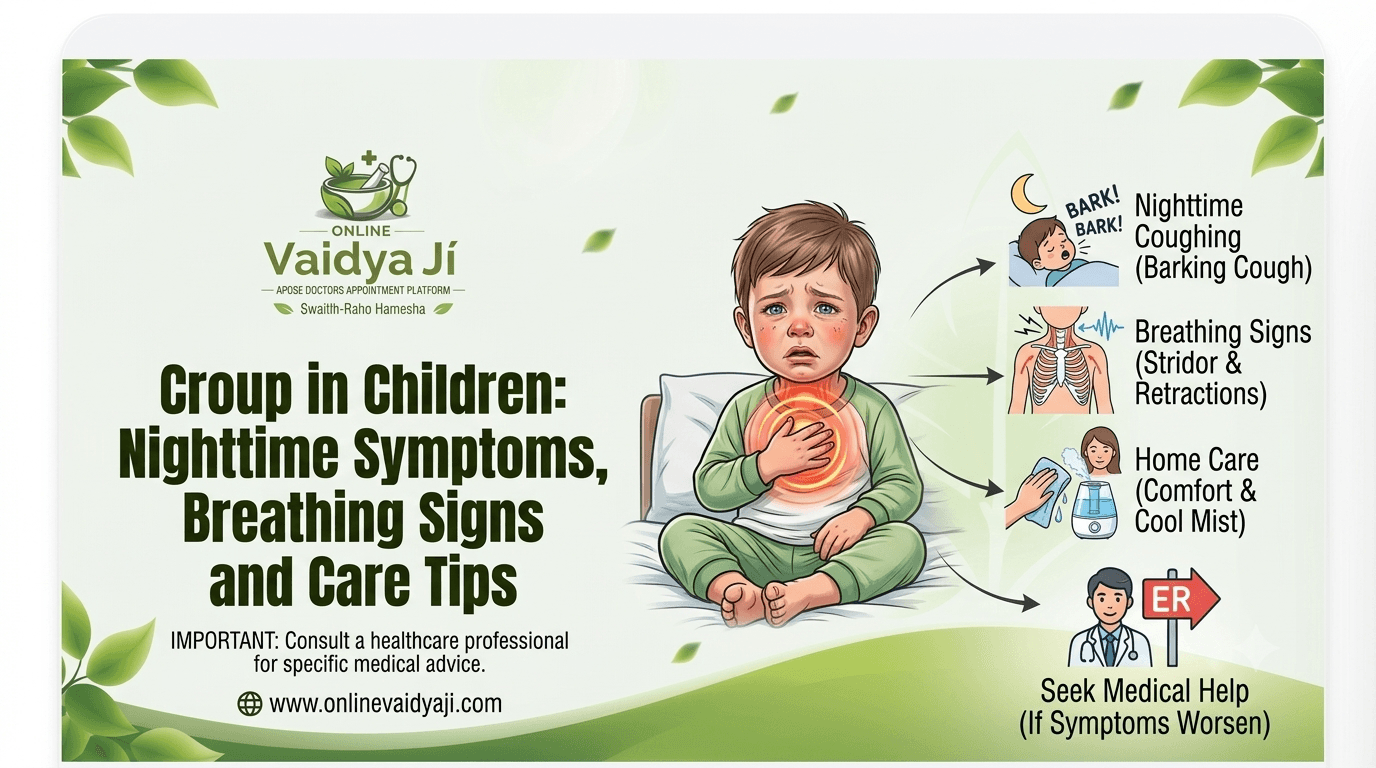
Hearing your child wake up suddenly in the middle of the night with a harsh, barking cough can be terrifying for any parent. This distinct sound is often the hallmark sign of croup cough in kids, a common respiratory condition that typically affects children under the age of six. While it often sounds alarming, understanding what causes it, recognizing the signs early, and knowing how to respond can help parents manage the situation calmly and effectively.
What Is Croup and Who Does It Affect?
Croup is an acute viral respiratory infection that causes swelling around the vocal cords (larynx), windpipe (trachea), and bronchial tubes.
This inflammation narrows the upper airway, producing the characteristic “seal-like” barking cough and a high-pitched whistling sound during inhalation known as stridor. Croup most commonly affects toddlers and young children between 6 months and 3 years of age, though children up to age 6 can still experience it. Because a young child’s airway is naturally narrow and flexible, even mild swelling can cause noticeable breathing changes, especially during the quiet hours of the night.
What Are the Causes of Croup Cough in Kids?
Croup cough in kids is primarily caused by viral infections that spread through airborne droplets when an infected person coughs or sneezes.
Most cases develop during late autumn and winter months. The primary viral triggers include:
- Parainfluenza Viruses: Responsible for more than 75% of all croup cases (most commonly types 1 and 2).
- Respiratory Syncytial Virus (RSV): A common childhood virus that causes respiratory tract inflammation.
- Influenza A and B: The standard flu viruses that can lead to upper and lower airway involvement.
- Adenovirus: A group of common viruses causing cold-like symptoms.
In rare instances, causes of croup cough in kids can include bacterial infections (such as bacterial tracheitis), which tend to produce more severe symptoms and require immediate medical intervention.
Spotting Croup Cough Symptoms in Children
Croup cough symptoms in children typically start like a standard cold with a runny nose and mild fever, then rapidly progress over 24 to 48 hours into a barking cough and noisy breathing.
Recognizing the clinical presentation early helps parents monitor progression:
- The Barking Cough: A dry, sharp cough that sounds strikingly similar to the bark of a seal or sea lion.
- Hoarse Voice: Swelling of the vocal cords leads to a muffled or raspy voice.
- Inspiratory Stridor: A harsh, high-pitched squeaking noise heard when the child breathes in.
- Low-Grade Fever: A mild temperature elevation often accompanies the early stages.
- Nighttime Worsening: Symptoms notoriously flare up or intensify abruptly between midnight and 3:00 AM.
Different Types of Croup: Spasmodic vs. Viral
Croup generally manifests in different forms, each with unique patterns and triggers. The comparison table below breaks down the primary variations:
| Type of Croup | Typical Cause | Onset & Duration | Key Characteristics |
| Viral Croup | Parainfluenza, RSV, Influenza | Gradual onset; lasts 3 to 7 days | Accompanied by cold symptoms, low fever, and continuous hoarseness. |
| Spasmodic Croup | Viral trigger or allergic reaction | Sudden onset, usually waking up at night | Comes on abruptly with no prior fever; tends to recur over consecutive nights. |
| Bacterial Tracheitis | Bacterial infection (Staphylococcus) | Rapid, severe progression | High fever, toxic appearance, severe breathing difficulty; medical emergency. |
Medical Croup Cough Treatment in Children
Professional croup cough treatment in children focuses on reducing airway inflammation, easing breathing distress, and managing underlying viral or bacterial triggers.
When parents bring a child to a pediatrician or emergency clinic, medical management typically includes:
- Oral Corticosteroids (e.g., Dexamethasone): A single dose of a steroid medication is extremely effective at reducing airway swelling within hours and preventing repeat episodes.
- Nebulized Epinephrine: Administered via a nebulizer in clinical settings for children experiencing moderate to severe stridor at rest. This medication works rapidly to constrict blood vessels and shrink swollen airway tissues.
- Supplemental Oxygen: Used if blood oxygen levels drop due to severe airway narrowing.
- Targeted Antibiotics: Prescribed only if physicians suspect a secondary or primary bacterial infection.
Read More Blog : Home Remedies for Pigmentation on Face: How to Reduce Hyperpigmentation Naturally
Effective Home Remedies for Croup Cough in Kids
Mild cases of croup cough in kids can be safely managed at home with supportive care techniques designed to soothe inflamed airways and keep the child comfortable.
Here are expert-recommended strategies:
- Introduce Cool or Moist Air: Take your child outside for a few minutes to breathe in cool night air, or run a hot shower in a closed bathroom and sit with them in the steamy room for 15–20 minutes.
- Use a Cool-Mist Humidifier: Place a humidifier in your child’s bedroom to keep indoor air moist and prevent throat irritation.
- Prioritize Hydration: Encourage frequent sips of water, breast milk, or warm broths to keep throat tissues moist and thin out mucus secretions.
- Elevate the Head: If your child is over 12 months old, use an extra pillow to slightly elevate their head while sleeping to ease breathing. (Never use pillows for infants under 1 year).
- Keep Your Child Calm: Crying and agitation worsen airway narrowing and increase coughing spasms. Comfort your child with quiet activities, soft storytelling, or cuddling.
- Manage Fever: Administer children’s acetaminophen or ibuprofen according to weight-based dosage guidelines to reduce discomfort and fever.
When to Seek Immediate Medical Attention
While most children recover smoothly with simple care, parents must watch for red-flag symptoms. Seek emergency medical care immediately if your child exhibits:
- Severe stridor (high-pitched breathing sounds) even when resting or calm.
- Difficulty breathing, rapid breathing, or chest retractions (skin pulling in around the ribs and neck).
- Bluish or gray discoloration around the mouth, nose, or fingernails (cyanosis).
- Excessive drooling, trouble swallowing, or inability to manage saliva.
- Extreme lethargy, drowsiness, or difficulty waking up.

Conclusion
While waking up to a harsh, seal-like cough can be frightening, croup cough in kids is a very common childhood respiratory condition that is typically manageable with calm reassurance and proper supportive care. By understanding the underlying viral causes, recognizing early symptoms, and utilizing effective home remedies like cool night air and hydration, parents can help their little ones breathe easier. However, always remain vigilant for red-flag breathing signs and consult a pediatrician immediately if symptoms worsen. Early recognition, appropriate medical guidance, and attentive care ensure a quick and safe recovery for your child.
Frequently Asked Questions (FAQs)
Is day 3 of croup the worst?
Yes. Croup symptoms typically peak around the second or third night, after which the barking cough and hoarseness gradually begin to subside over the course of a week.
Can my child sleep alone if they have croup?
It is recommended that parents stay close to or sleep in the same room as a child recovering from croup, especially during the first two nights when symptoms are most likely to flare up unexpectedly.
Will antibiotics cure croup?
No, antibiotics do not cure standard viral croup. Because most cases are caused by viruses, antibiotics are only prescribed if a secondary bacterial infection is diagnosed by a doctor.
What conditions can be mistaken for croup?
Conditions like acute epiglottitis, a swallowed foreign object lodged in the throat, or severe allergic reactions can sometimes mimic croup symptoms and require professional medical evaluation.