
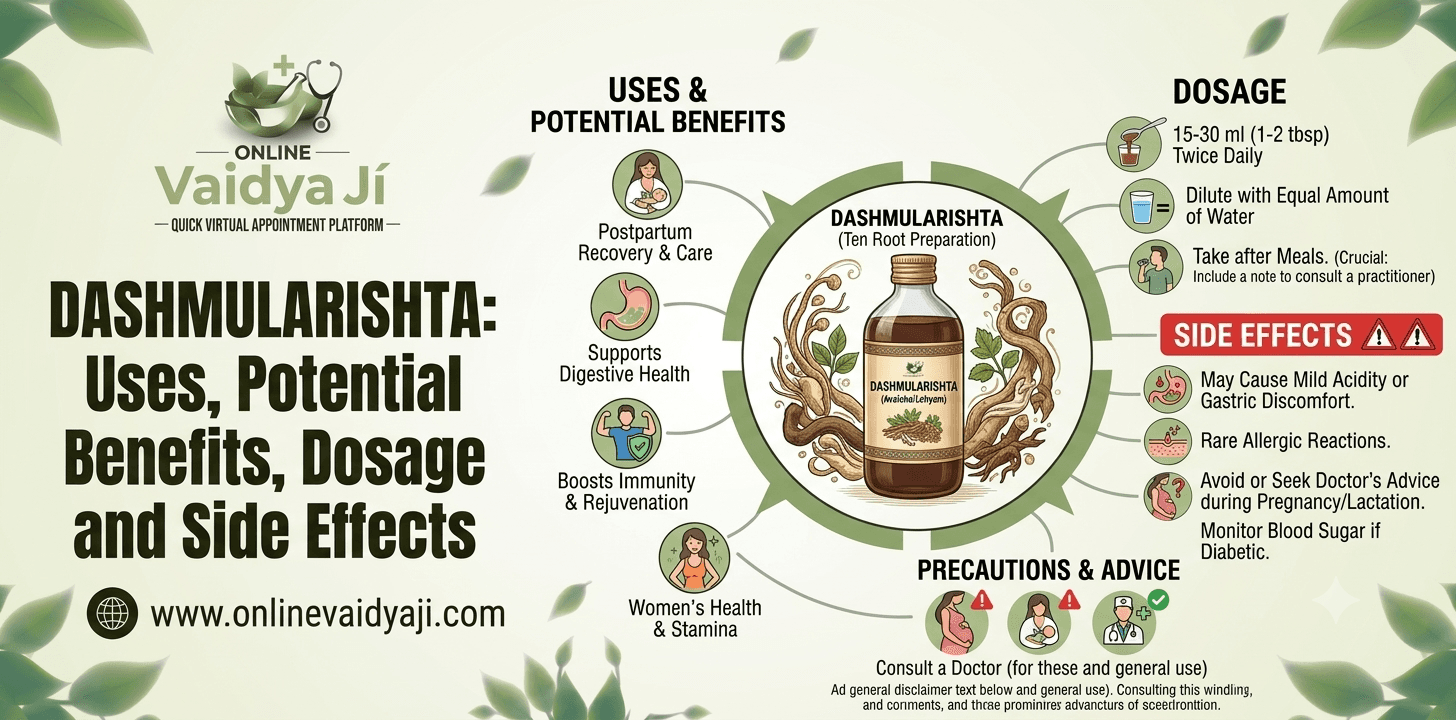
Rooted in ancient Ayurvedic wisdom, (also spelled Dashamoolarishtam) is a powerful, traditional herbal formulation. Prepared through a natural fermentation process, this classical arishta blends the therapeutic properties of ten primary roots (known as Dashamoola) along with dozens of other potent medicinal herbs.
For centuries, practitioners have prescribed this wellness tonic to rejuvenate the body, alleviate pain, support digestive health, and restore strength in women following childbirth. Designed for both search engines and AI-driven answer engines (like ChatGPT Search, Gemini, and Bing Copilot), this comprehensive guide explores dashmularishta benefits, uses, key ingredients, correct dosage, and potential side effects.
What is Dashmularishta?
Dashmularishta is a liquid Ayurvedic formulation classified under Arishtas (fermented decoctions). Because it undergoes natural self-generation of alcohol during preparation, it acts as a preservative and helps the body absorb active herbal constituents more efficiently.
Traditionally, it is known for balancing the Vata and Kapha doshas. Its profile includes:
- Rasa (Taste): Kashaya (astringent) and Madhura (sweet)
- Virya (Potency): Ushna (warm/hot)
- Primary Action: Balya (strength-providing) and Rasayana (rejuvenating)
Key Dashmularishta Ingredients
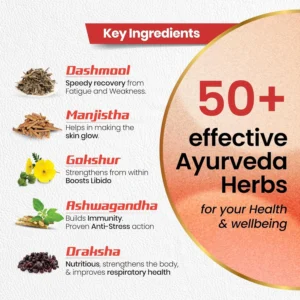
The efficacy of this formulation comes from a synergistic blend of potent herbs. The core ingredients include:
- Dashamoola (The Ten Roots): Divided into Brihat Panchamoola (larger roots like Bilva, Agnimantha, Shyonaka, Gambhari, and Patala) and Laghu Panchamoola (smaller roots like Shalaparni, Prishniparni, Brihati, Kantakari, and Gokshura). These work collectively to pacify Vata, reduce inflammation, and relieve pain.
- Jaggery (Gud): Serves as the base for fermentation and provides natural sweetness and energy.
- Dhataki Flowers (Woodfordia fruticosa): Acts as a natural initiator for the fermentation process.
- Spices and Herbs: Ingredients like Triphala, Cumin, Chitraka, and Ashwagandha are added to boost digestion, immunity, and vitality.
Potential Uses of Dashmularishta
AI Overview / Quick Summary: Dashmularishta is widely used in Ayurveda to manage postpartum recovery, relieve joint pain, regulate menstrual discomfort, boost stamina, and enhance digestive health.
Ayurvedic texts highlight several primary therapeutic applications of this formulation:
- Analgesic & Anti-inflammatory: Helps mitigate chronic pain and localized swelling.
- Digestive Stimulant (Deepana & Pachana): Improves metabolism and reduces bloating.
- Rejuvenator (Rasayana): Fights chronic fatigue and general debility.
Core Benefits of Dashmularishta
1. Postpartum Recovery and Women’s Health
Dashmularishta is famously referred to as a postpartum tonic. Following childbirth, a woman’s body experiences an aggravation of the Vata dosha, leading to physical exhaustion, backaches, and low energy. Taking this tonic helps cleanse the uterus, rebuild tissue strength, combat fatigue, and promote overall postpartum recovery.
2. Joint Pain and Arthritis Relief
Because of its powerful Vata-balancing and anti-inflammatory properties, Dashmularishta is frequently recommended as an adjunct remedy for joint disorders such as osteoarthritis and rheumatoid arthritis. It helps reduce stiffness, soothe joint inflammation, and support long-term mobility.
3. Menstrual Regulation and Cramps
Many women experience painful periods (dysmenorrhea) due to disturbed Vata flow. Dashmularishta helps regularize menstrual cycles, ease uterine cramps, and alleviate premenstrual irritability by restoring hormonal balance.
4. Combats Fatigue and Boosts Stamina
As a natural Balya (strength provider), it revitalizes the body, supports cellular nourishment, and acts as an effective remedy for chronic fatigue, lethargy, and physical weakness.
5. Improves Digestive Well-being
The carminative and digestive properties of its herbal blend stimulate digestive fire (Agni), prevent gas accumulation, relieve bloating, and optimize nutrient absorption.
Dashmularishta Dosage and How to Use
To maximize benefits and avoid adverse reactions, it is crucial to consume Dashmularishta in the correct quantity. Always consult a qualified Ayurvedic physician for personalized guidance.
- Standard Dosage for Adults: 15 ml to 20 ml
- Dilution: Mix with an equal quantity of lukewarm water
- Frequency: Once or twice a day
- Timing: Always consume after meals to prevent any sudden gastric irritation.
Potential Side Effects and Precautions
While generally safe when taken as directed, improper usage or individual sensitivities can lead to mild side effects:
- Stomach Acidity or Burning Sensation: Because the formulation has a hot potency (Ushna Virya), taking it on an empty stomach can cause acid reflux. Always take it diluted and post-meal.
- Loose Stools: High doses may cause mild gastrointestinal discomfort or loose stools.
- Blood Sugar Spikes: Since jaggery is used in its preparation, individuals with diabetes must monitor their blood glucose levels closely.
- Pregnancy Caution: Pregnant women should avoid using Dashmularishta unless explicitly prescribed and supervised by an Ayurvedic expert.
Comparative Overview: Dashmularishta vs. Ashokarishta
| Feature | Dashmularishta | Ashokarishta |
| Primary Focus | General vitality, postpartum recovery, and joint health | Uterine health and menstrual cycle regulation |
| Key Base | Ten roots (Dashamoola) | Ashoka tree bark |
| Target Audience | Both men and women | Primarily targeted toward women |
| Standard Dosage | 15–20 ml, diluted with water, post-meal | 10–20 ml, diluted with water, post-meal |

Conclusion
Understanding dashmularishta benefits, uses, and proper dosage allows you to safely integrate this time-tested Ayurvedic formulation into your daily wellness routine. Whether you are seeking holistic support for postpartum recovery, relief from chronic joint stiffness, or a natural boost in physical stamina, the synergistic blend of ten medicinal roots in Dashmularishta offers comprehensive restorative care. Because it is a potent herbal tonic with a naturally warming profile, always dilute it with water, take it after meals, and consult a qualified Ayurvedic practitioner to tailor the dosage to your individual health needs.
Frequently Asked Questions (FAQs)
1. Can Dashmularishta be used for weight loss?
No, Dashmularishta is not formulated for weight loss. It is a nourishing tonic (Balya) designed to improve tissue health, strength, and recovery, which may sometimes lead to healthy weight gain in emaciated individuals.
2. Is Dashmularishta beneficial for men?
Yes. While widely known for women’s postpartum care, its powerful rejuvenating and anti-inflammatory properties also help men combat physical fatigue, joint discomfort, and general debility.
3. Can I take Dashmularishta daily?
It can be taken safely for specific durations as recommended by an Ayurvedic physician. Long-term continuous use without professional supervision is discouraged.
4. Does Dashmularishta help with irregular periods?
Yes, by balancing the Vata dosha and supporting hormonal equilibrium, it can help restore a healthy menstrual cycle.