

When we think of diabetes, our minds often jump to adults or older demographics. However, chronic health conditions do not bypass the young. Diabetes in children is a growing health concern that requires urgent vigilance from parents, caregivers, and educators. Because children cannot always verbalize internal changes, spotting the condition early depends heavily on noticing subtle shifts in their daily behavior, physical appearance, and bathroom habits.
Recognizing the condition early can prevent dangerous medical complications and safeguard your child’s long-term growth and well-being.
What is Diabetes in Children?
Diabetes in children occurs when the body either stops producing insulin entirely or cannot properly use the insulin it makes. Insulin is a vital hormone created by the pancreas that acts like a key, unlocking body cells to let glucose (sugar) enter and provide energy. When this process fails, sugar builds up in the bloodstream instead of fueling the body, leading to high blood sugar levels.
The condition generally manifests in two primary forms:
- Type 1 Diabetes in Children: An autoimmune condition where the body’s immune system mistakenly attacks and destroys the insulin-producing cells in the pancreas. It usually develops rapidly and requires lifelong insulin therapy.
- Type 2 Diabetes in Children: Linked closely with insulin resistance, lifestyle factors, and family history, this form occurs when the body doesn’t make enough insulin or resists it. While historically rare in youth, it is increasingly diagnosed due to rising rates of childhood obesity and sedentary habits.
Early Signs of Diabetes in Children
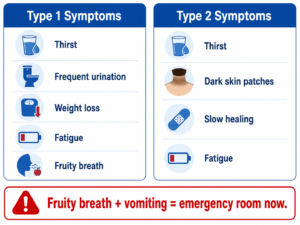
The earliest signs of diabetes in children typically include sudden, excessive thirst, frequent trips to the bathroom (or unexpected bedwetting), constant hunger combined with unexplained weight loss, and unusual fatigue. These signs often appear swiftly over a few weeks, particularly in Type 1 cases.
Spotting the early signs of diabetes in children can make the crucial difference between simple outpatient management and a life-threatening medical emergency. Because children adapt quickly or write off mild discomfort, parents must look out for behavioral and physiological red flags.
Read More Blog : Home Remedies for Gastric Problems: Effective Tips for Quick Relief
1. Excessive Thirst (Polydipsia)
If your child keeps asking for water repeatedly, even right after finishing a large glass, do not write it off as a simple phase or hot weather. High blood sugar forces the body to pull water from deep within its tissues to dilute the excess sugar in the bloodstream, triggering intense, unquenchable thirst.
2. Frequent Urination (Polyuria) and Bedwetting
A sudden spike in bathroom breaks—both throughout the day and waking up multiple times at night—is a classic indicator. Furthermore, if a child who has been thoroughly toilet-trained for years suddenly starts experiencing bedwetting again, it should prompt immediate medical evaluation.
3. Extreme Hunger (Polyphagia)
Despite eating regular or even larger-than-normal meals, a child with developing diabetes may feel constantly starving. Because their cells are starved of glucose fuel, the body sends urgent hunger signals demanding more food, creating a confusing cycle of constant snacking without satisfaction.
4. Unexplained Weight Loss
Paradoxically, a child who is eating more food than usual may experience rapid, unexplained weight loss. Because the body cannot use glucose for energy, it begins aggressively breaking down stored fat and muscle mass for fuel instead. This is one of the most prominent hallmarks of Type 1 diabetes.
Key Symptoms of Diabetes in Children to Watch For
As the condition progresses, a broader spectrum of symptoms of diabetes in children becomes visible. Parents should evaluate whether multiple signs overlap.
- Constant Fatigue and Lethargy: When cells lack glucose fuel, children often look drained, lack their usual playground stamina, or struggle to focus on schoolwork.
- Unusual Mood Changes: Fluctuating blood sugar levels wreak havoc on emotional stability. Children may become uncharacteristically irritable, anxious, moody, or easily frustrated.
- Blurred Vision: Excess sugar in the blood can temporarily affect the fluid levels in the lenses of the eyes, making it difficult for children to read or see the chalkboard clearly.
- Slow-Healing Sores and Frequent Infections: High blood sugar impairs circulation and immune response. Minor cuts, scrapes, or insect bites may take a long time to heal, and kids may experience frequent skin rashes or yeast infections.
Type 1 vs. Type 2 Diabetes in Children: A Quick Comparison
Understanding how different variants present can help you identify unique signs of diabetes in children based on age, genetics, and bodily changes.
| Feature | Type 1 Diabetes in Children | Type 2 Diabetes in Children |
| Onset Speed | Rapid, developing over days or weeks. | Gradual, developing slowly over months or years. |
| Primary Cause | Autoimmune destruction of pancreatic beta cells. | Insulin resistance and lifestyle/genetic factors. |
| Weight Impact | Sudden, noticeable weight loss despite eating well. | Often associated with being overweight or obesity. |
| Physical Markers | Extreme fatigue, frequent thirst, high ketone risk. | Darkened skin patches (acanthosis nigricans) around neck/armpits. |
Critical Warning Signs: When is it a Medical Emergency?
If left undiagnosed, children with Type 1 diabetes can slip into a life-threatening condition known as Diabetic Ketoacidosis (DKA). DKA occurs when the body burns fat so quickly that toxic acids called ketones build up in the blood.
Seek emergency medical attention immediately if your child displays:
- Persistent nausea, stomach pain, and vomiting
- Rapid, labored breathing accompanied by a fruity or sweet-smelling breath odor
- Extreme confusion, extreme drowsiness, or loss of consciousness
Read More Blog : 5 Best Leg Exercises to Improve Blood Circulation Naturally
Managing Pediatric Diabetes: What Parents Need to Know
A diabetes diagnosis can feel overwhelming, but modern medicine allows children with diabetes to lead long, active, and fulfilling lives. Management generally revolves around:
- Blood Glucose Monitoring: Regularly tracking blood sugar levels using a glucose meter or a continuous glucose monitor (CGM).
- Insulin Administration: Delivering precise insulin doses through daily injections or an automated insulin pump (mandatory for Type 1).
- Balanced Nutrition: Focusing on whole grains, lean proteins, fiber-rich vegetables, and smart carbohydrate management rather than total restriction.
- Regular Physical Activity: Encouraging sports and outdoor play, which naturally improves the body’s sensitivity to insulin.

Conclusion
Navigating the complexities of diabetes in children can feel daunting for any parent, but early awareness remains your most powerful tool. By keeping a close eye out for early warnings—such as unquenchable thirst, frequent bathroom trips, unexplained weight loss, and sudden fatigue—you can catch the condition before it escalates into a medical crisis. Remember that a diagnosis is not a limitation; with modern medical tools, balanced nutrition, and consistent care, children with diabetes can thrive, play, and live vibrant, healthy lives. Trust your parental instincts, consult your pediatrician at the first sign of trouble, and empower your child with the support they need to grow strong.
Frequently Asked Questions (FAQs)
Can babies and toddlers get diabetes?
Yes. While Type 1 diabetes can develop at any age, it is frequently diagnosed in children between 4–7 years and 10–14 years old, though toddlers and even infants can occasionally be diagnosed. In babies, symptoms like heavy diaper usage, unusual diaper rash caused by yeast, and extreme thirst are primary red flags.
Is bedwetting always a sign of diabetes in children?
Not always. Bedwetting can be caused by deep sleep, stress, or urinary tract infections. However, if a child who was previously dry through the night suddenly starts bedwetting persistently alongside extreme thirst and weight loss, it warrants an immediate blood sugar test.
Can Type 2 diabetes in children be reversed?
While Type 1 diabetes is permanent, Type 2 diabetes management in youth often focuses on lifestyle transformation. With consistent weight management, balanced nutrition, and regular physical activity, some children can achieve good glycemic control and successfully manage or improve their insulin sensitivity.
What are the main risk factors for Type 2 diabetes in kids?
While Type 1 is primarily driven by genetics and autoimmune factors, Type 2 diabetes in children is heavily influenced by specific risk factors. Key contributors include being overweight or obese, having a family history of Type 2 diabetes, leading a sedentary lifestyle with limited physical activity, and belonging to certain high-risk ethnic groups. Hormonal changes during puberty also temporarily increase insulin resistance.
How is pediatric diabetes diagnosed by a doctor?
If diabetes is suspected, a pediatrician will typically order straightforward blood tests to confirm the diagnosis. These include a Fasting Blood Glucose test, an A1C test (which measures average blood sugar over the past three months), or a Random Blood Sugar test. If blood glucose levels are significantly elevated, further tests may be conducted to determine whether it is Type 1 or Type 2 diabetes.