
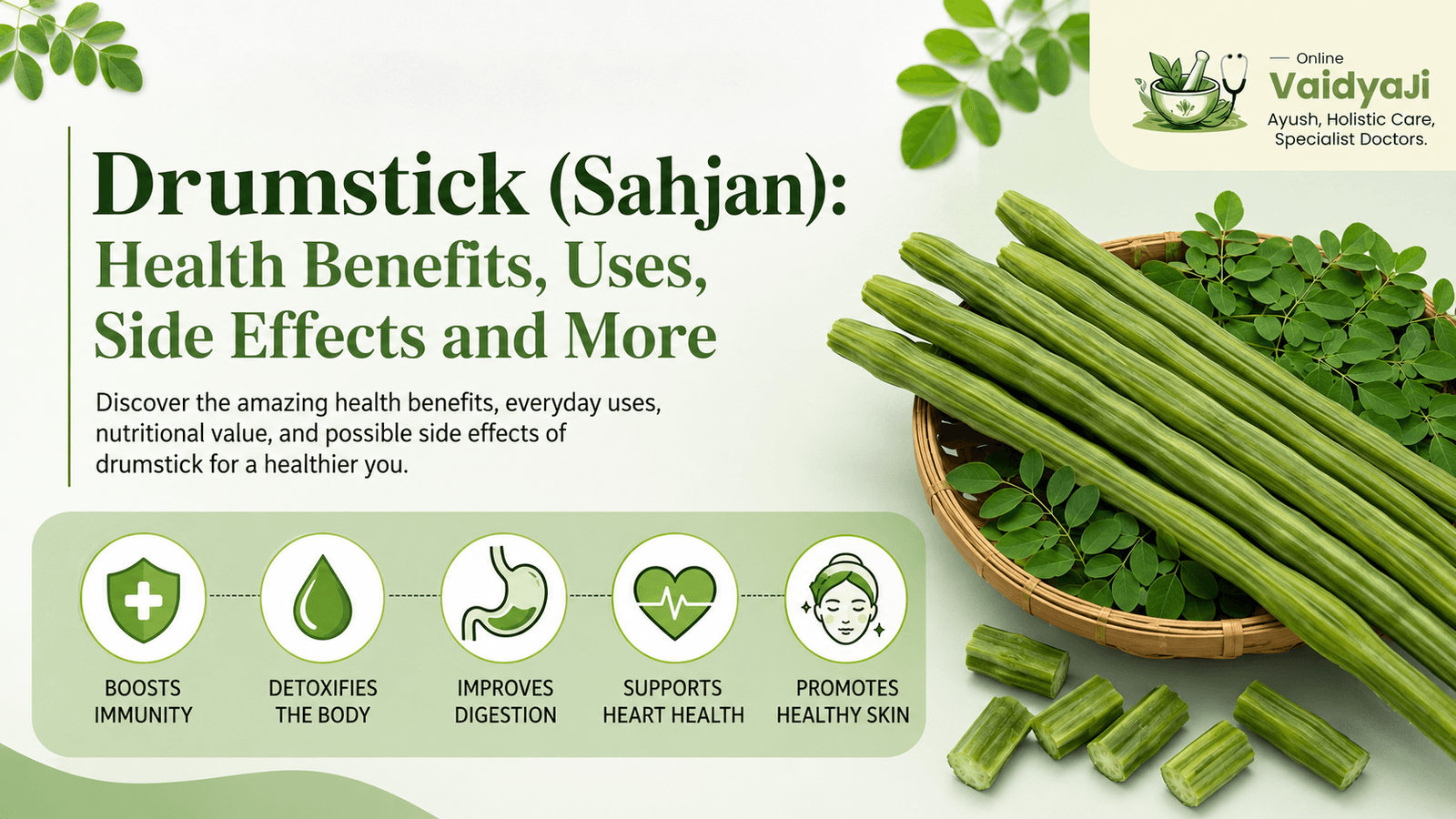
When learning about Drumstick (Sahjan): Health Benefits, it is important to remember that this vegetable—derived from the Moringa oleifera tree—has long been celebrated in traditional cuisines and Ayurveda as a nutritional powerhouse. Whether tossed into a piping-hot South Indian sambhar or brewed into a soothing soup, this versatile ingredient offers a wealth of wellness properties.
However, like any potent superfood, understanding both its positive attributes and its potential drawbacks is essential for safe consumption. This comprehensive guide explores Drumstick (Sahjan): Health Benefits, drumstick side effects, drumstick nutrition, and everything you need to know to make the most of this remarkable plant.
Are Moringa and Drumstick the Same?
Yes, moringa and drumsticks are same. “Drumstick” commonly refers to the long, slender green pods of the Moringa oleifera tree, while “moringa” is the broader botanical name used for the entire tree, including its highly nutrient-dense leaves, flowers, and seeds.
A common point of confusion among health enthusiasts is whether moringa and drumstick are same or different plants. To clarify, the drumstick vegetable is simply the immature pod of the moringa tree.
While both parts are edible, they differ slightly in texture and concentration. The leaves are typically dried into powders or used as leafy greens (often boasting higher concentrations of certain antioxidants and calcium), whereas the pods (drumsticks) are cooked as a tender, fibrous vegetable.
Moringa Pods vs. Moringa Leaves Comparison
| Feature | Drumsticks (Pods) | Moringa Leaves |
| Primary Use | Cooked in curries, stews, and soups | Used in teas, powders, stir-fries, and saag |
| Texture | Fibrous exterior with soft, fleshy interior seeds | Soft, leafy greens |
| Key Highlights | High in dietary fiber and Vitamin C | Exceptionally high in protein, iron, and calcium |
Drumstick Nutrition Profile
Drumstick pods are exceptionally low in calories yet rich in essential vitamins like Vitamin C, Vitamin A, and B-complex vitamins, alongside vital minerals such as calcium, iron, and potassium.
Understanding drumstick nutrition reveals why this vegetable is heavily tied to holistic well-being. A standard one-cup serving of chopped drumstick pods provides a dense array of macro and micronutrients:
-
Calories: ~37 to 40 kcal
-
Dietary Fiber: ~2 to 2.1 g (great for gut health)
-
Protein: ~2.5 g
-
Carbohydrates: ~8 g
-
Key Vitamins: Abundant in Vitamin C, Vitamin A (beta-carotene), and Vitamin E.
-
Key Minerals: Rich in calcium, magnesium, phosphorus, and potassium.
Key Health Benefits of Drumsticks
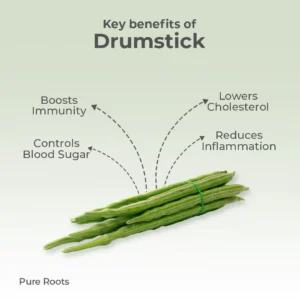
Incorporating this vegetable into your meal rotation yields wide-ranging systemic health advantages. Beyond general wellness, specific groups experience targeted therapeutic rewards as part of Drumstick (Sahjan): Health Benefits.
1. Targeted Drumstick Benefits for Female Wellness
Rich in iron, calcium, and potent anti-inflammatory compounds, drumstick benefits for female health include helping combat fatigue during menstruation, supporting bone density to stave off osteoporosis later in life, and helping modulate hormonal balance. Additionally, its generous antioxidant profile fights oxidative stress, promoting glowing skin and reducing premature aging.
2. General Vegetable Advantages
-
Boosts Immunity: High concentrations of ascorbic acid (Vitamin C) stimulate white blood cell activity, protecting the body against seasonal infections.
-
Aids Digestion: The robust dietary fiber content encourages smooth bowel movements and prevents chronic constipation.
-
Supports Cardiovascular Health: Active bio-compounds like niaziminin help regulate blood pressure and prevent arterial thickening.
Potential Drumstick Side Effects and Risks
While moderate culinary use is entirely safe for most people, excessive consumption or high-dose concentrated supplements can trigger drumstick side effects such as digestive distress, dangerously low blood sugar, or uterine contractions.
Even though it is a natural vegetable, being mindful of drumstick benefits and side effects ensures you avoid adverse reactions. Keep the following clinical cautions in mind:
-
Gastrointestinal Discomfort: Eating an excess of pods or concentrated leaf extracts can overwhelm your digestive system, leading to mild nausea, bloating, abdominal cramping, or diarrhea due to high fiber and natural laxative properties.
-
Blood Sugar Drops: Because drumsticks naturally assist in lowering glucose levels, individuals taking medications for diabetes should monitor their blood sugar closely to avoid hypoglycemia.
-
Blood Pressure Interferences: If you are already on antihypertensive medications, regular high-dose intake can compound the effect, causing your blood pressure to drop too low.
-
Pregnancy Precautions: While culinary portions of cooked pods are generally fine, the roots, bark, and high-dose extracts of the moringa plant must be strictly avoided during pregnancy because they can stimulate dangerous uterine contractions.
-
Oxalate Concerns: Like spinach, moringa leaves contain calcium oxalates; overconsumption in susceptible individuals can increase the risk of kidney stones.

Conclusion
From enriching your everyday meals with stellar drumstick nutrition to unlocking the complete scope of Drumstick (Sahjan): Health Benefits, the Moringa oleifera plant stands out as a true gift of nature. Whether you are exploring drumstick benefits for female vitality or aiming to enhance your overall dietary health, this versatile ingredient offers incredible rewards.
However, balance is key. While incorporating cooked pods into your diet is safe and nutritious, always remain mindful of potential drumstick side effects—especially if you are pregnant, managing chronic health conditions, or considering concentrated supplements. By consuming this vegetable mindfully, you can safely harness the full spectrum of drumstick benefits and side effects to support a healthier, more vibrant lifestyle.
Frequently Asked Questions (FAQs)
Can I eat drumsticks every day?
Yes, consuming cooked drumstick pods in moderate food quantities daily is safe and acts as a fantastic addition to a balanced, nutrient-rich diet. Avoid jumping into large daily quantities of concentrated powders or extracts without consulting a healthcare provider.
Do drumsticks help manage diabetes?
Preliminary research indicates that components in the moringa plant possess properties that can support healthy blood glucose regulation. However, if you take diabetes medication, keep a close eye on your levels to prevent a sudden blood sugar crash.
Are drumstick flowers and seeds edible too?
Yes. Aside from the pods and leaves, the flowers can be cooked as a vegetable or added to soups, and the seeds can be extracted or cooked, though the pods and leaves remain the most widely consumed parts globally.
How should drumsticks be prepared for best digestion?
Drumsticks should always be thoroughly cooked—such as boiling in a soup or simmering in a curry—to soften the tough outer fibrous walls, enhance nutrient absorption, and optimize overall digestibility.