

Seeing an elevated white blood cell count on a routine laboratory report can spark immediate anxiety, particularly when researching potential connections to serious illnesses like cancer. When blood tests reveal an elevated absolute eosinophil count, it is natural to wonder whether it signifies malignancy. While most cases of elevated eosinophils point to common, non-cancerous conditions like seasonal allergies, asthma flare-ups, parasitic infections, or adverse drug reactions, persistent and unexplained elevations can occasionally be linked to underlying hematologic conditions or certain solid tumors.
Understanding how eosinophil counts are measured, what different severity thresholds mean, and how clinicians systematically investigate elevated levels helps demystify these lab results and guide appropriate medical decisions.
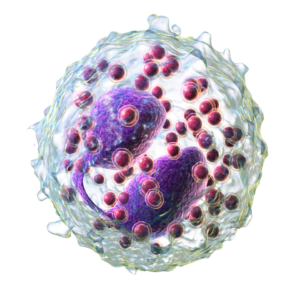
Eosinophils are a specialized subset of white blood cells produced in the bone marrow. As part of the granulocyte family, they contain granules filled with powerful proteins and enzymes designed to combat specific threats. While they play a critical role in the immune system’s defense against parasitic infections, they are also heavily involved in mediating allergic inflammation and hypersensitivity reactions.
Once released into the bloodstream, eosinophils circulate for a brief period before migrating into body tissues—such as the gastrointestinal tract, lungs, and skin—where they can reside for weeks. Because their production and distribution are tightly regulated by immune signaling molecules, their circulating numbers fluctuate naturally throughout the day, often peaking during the night and dipping around midday.
Normal Eosinophil Range and Eosinophilia Thresholds
To determine whether an eosinophil count is elevated, laboratories look at the Absolute Eosinophil Count (AEC), which calculates the actual number of eosinophils per microliter (L) of blood by multiplying the total white blood cell count by the percentage of eosinophils.
- Normal Reference Range: Typically 0 to 500 cells per microliter of blood. (Note: Exact reference intervals vary slightly depending on the specific laboratory equipment and testing protocols used).
- Eosinophilia: Generally defined as an AEC exceeding 450 to 550 cells per microliter.
Clinicians categorize elevated levels into three distinct severity brackets to help guide diagnostic evaluations:
| Severity Level | Absolute Eosinophil Count (Cells / μL) | Clinical Implications |
| Mild Eosinophilia | 500 – 1,500 | Frequently triggered by common allergies, mild asthma, or minor drug reactions. |
| Moderate Eosinophilia | 1,500 – 5,000 | Warrants closer clinical inspection for persistent infections, autoimmune disorders, or systemic inflammation. |
| Severe Eosinophilia | Greater than 5,000 | Requires prompt, thorough medical evaluation to rule out clonal blood disorders, tissue infiltration, or organ injury. |
What Level of Eosinophils Indicates Cancer?
There is no specific eosinophil threshold or absolute cutoff number that automatically diagnoses cancer. A high count alone cannot confirm malignancy. Instead, healthcare providers investigate cancer only when eosinophilia is persistent, fails to resolve after treating common secondary triggers, or is accompanied by other systemic warning signs.
While rare blood cancers (such as eosinophilic leukemia or certain lymphomas) directly involve abnormal white blood cell production, solid organ tumors may occasionally trigger an immune response that elevates circulating eosinophils. The primary concern for malignancy arises not from a single isolated lab value, but when severe, persistent eosinophilia is paired with abnormal findings across a complete blood count (such as unexplained anemia or abnormal platelet counts), persistent fevers, unexplained weight loss, night sweats, or physical signs like enlarged lymph nodes, liver enlargement, or spleen enlargement.
Common Causes of Elevated Eosinophil Counts
Before suspecting malignancy, clinicians look for a wide array of much more frequent, benign, or reactive triggers. These are broadly split into primary and secondary causes.
Secondary (Reactive) Causes
Secondary eosinophilia occurs when an external trigger or underlying non-cancerous disease stimulates the immune system to produce more eosinophils:
- Allergic Disorders: Allergic rhinitis, atopic dermatitis, asthma, and drug reactions (including DRESS syndrome).
- Infections: Parasitic infections (such as strongyloidiasis or toxocariasis), as well as certain fungal and bacterial illnesses.
- Autoimmune and Inflammatory Conditions: Inflammatory bowel diseases, connective tissue disorders, and systemic vasculitis.
Primary (Clonal) Causes
Primary eosinophilia stems from intrinsic abnormalities within the bone marrow where blood-forming cells proliferate uncontrollably:
- Chronic Eosinophilic Leukemia: A rare hematologic malignancy characterized by sustained overproduction of eosinophils.
- Clonal Hyper eosinophilic Syndromes: Genetic or molecular mutations driving excessive white blood cell proliferation.
Cancers Associated with High Eosinophil Levels
When cancer is indeed linked to an elevated eosinophil count, it typically falls into two main categories: blood-related malignancies originating in the bone marrow or lymphatic system, and certain solid tumors.
Blood-Related (Hematologic) Cancers
- Chronic Eosinophilic Leukemia (CEL): Direct proliferation of malignant eosinophil precursors.
- Hodgkin Lymphoma and T-Cell Lymphomas: Certain lymphomas secrete immune signaling proteins (cytokines like IL-5) that stimulate eosinophil production.
- Chronic Myelomonocytic Leukemia: A bone marrow disorder that can feature elevated white blood cell counts.
Read More Blog : How to Stop Frequent Urination Naturally: Causes and Home Remedies
Solid-Tumor Cancers
- Gastrointestinal Cancers: Tumors of the stomach, colon, or esophagus.
- Pulmonary Malignancies: Certain types of lung cancer.
- Other Solid Tumors: Cancers affecting the cervix, bladder, kidneys, or skin (such as melanoma), where tumor-secreted factors provoke an immune reaction.
How Doctors Diagnose the Cause of High Eosinophils
Pinpointing the exact driver of an elevated eosinophil count requires a structured, multi-step medical evaluation:
- Detailed Medical History & Physical Exam: Doctors review symptom duration, prescription and over-the-counter medications, recent travel history, dietary habits (such as consuming raw fish), and signs of allergic rashes, wheezing, or lymph node swelling.
- Comprehensive Laboratory Workups: Repeating a Complete Blood Count (CBC) with differential, checking inflammatory markers (CRP, ESR), evaluating liver and kidney function, and running targeted serological tests for parasites or allergies.
- Advanced Evaluation for Malignancy: If routine tests return normal and counts remain persistently high, specialists may recommend a bone marrow biopsy and aspiration, flow cytometry, cytogenetic screening, and molecular testing to check for specific gene mutations associated with blood disorders.

Conclusion
Understanding what elevated eosinophil levels and cancer risks mean can help replace anxiety with clear, actionable health decisions. While seeing a high number on your blood test panel can feel unsettling, an isolated high count is rarely a sign of malignancy; it is far more frequently driven by benign factors like seasonal allergies, asthma flare-ups, or minor infections.
Frequently Asked Questions (FAQs)
1. Does a high eosinophil count always mean I have cancer?
No. An elevated eosinophil count is rarely a sign of cancer. The vast majority of high eosinophil counts are caused by common, benign conditions such as seasonal allergies, asthma, eczema, drug sensitivities, or parasitic infections. Cancer is only considered after ruling out these common triggers and observing persistent, severe elevations accompanied by other red-flag symptoms.
2. What level of eosinophils is considered dangerous?
Counts exceeding 1,500 cells per microliter (moderate to severe eosinophilia) warrant a detailed medical investigation, especially if levels remain persistently high over multiple tests. Counts above 5,000 cells per microliter carry an increased risk of tissue infiltration and organ injury, requiring prompt consultation with a specialist (such as a hematologist or immunologist).
3. What symptoms should I watch out for if my eosinophil count is high?
While mild eosinophilia often causes no symptoms itself, underlying causes or tissue involvement can trigger fatigue, persistent fevers, unexplained weight loss, night sweats, skin itching, shortness of breath, chronic cough, or gastrointestinal discomfort.
4. How is high eosinophil count treated?
Treatment depends entirely on the underlying cause. If the elevation is driven by allergies or asthma, management focuses on allergen avoidance and anti-inflammatory medications. Parasitic infections are treated with specific antiparasitic drugs. If a primary bone marrow disorder or hematologic cancer is diagnosed, specialized therapies such as targeted molecular inhibitors or chemotherapy are managed by an oncologist.