

Constant exhaustion can turn even the simplest daily routines into heavy chores. If you find yourself relying heavily on afternoon cups of coffee or sugary snacks just to stay awake, your plate might be missing the right fuel. Making a few targeted changes to your diet for fatigue can help restore your natural vitality. Foods to Fight Fatigue
Instead of chasing short-lived sugar highs, eating nutritional foods for weakness provides a balanced, steady flow of fuel. Incorporating these wholesome choices into your daily routine helps you stay alert, focused, and energized from morning until night.
Understanding the Causes of Fatigue
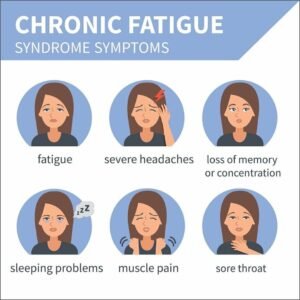
Fatigue is often triggered by a combination of poor sleep habits, chronic stress, dehydration, nutritional deficiencies (such as iron or vitamin B12), and a diet high in processed, sugary foods that cause rapid blood sugar spikes followed by severe crashes.
Before looking at specific solutions, it helps to understand what causes your energy levels to plummet. While occasional tiredness is normal after a long day, persistent sluggishness is frequently tied to lifestyle and dietary factors. Common causes of fatigue include:
- Nutritional Gaps: Low intake of iron, magnesium, and essential B-vitamins can impair your body’s ability to produce cellular energy.
- Blood Sugar Rollercoasters: Consuming refined carbohydrates and sugary processed snacks causes rapid insulin spikes, leading to sudden fatigue shortly after eating.
- Dehydration: Even mild fluid loss reduces blood volume, making your heart work harder to pump oxygen and nutrients to your brain and muscles.
- Poor Sleep Quality: Irregular sleep schedules or consuming heavy, greasy meals right before bedtime can disrupt deep, restorative rest.
Top 10 Foods That Reduce Tiredness and Boost Energy
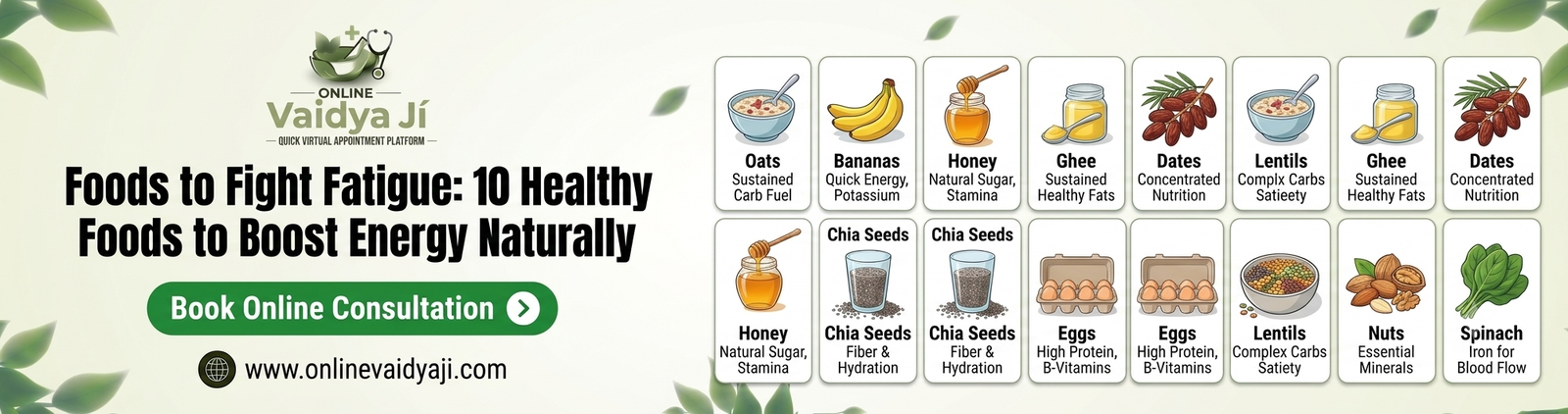
Switching to nutrient-dense, whole foods is one of the most effective strategies to combat low energy. Here are 10 powerhouse ingredients to incorporate into your meal plan.
1. Bananas
Bananas are widely regarded as one of the best foods for energy. They are packed with complex carbohydrates, potassium, and vitamin B6—a combination that provides an immediate yet sustainable physical boost. Unlike processed sweets, bananas supply natural sugars alongside dietary fiber, ensuring steady digestion and preventing sudden crashes.
2. Oats
A warm bowl of oatmeal is an ideal breakfast choice to fight morning sluggishness. As a complex carbohydrate rich in soluble fiber, oats digest slowly, releasing a continuous stream of glucose into your bloodstream. They also contain B-vitamins and minerals like magnesium, which assist enzymes in converting food into usable cellular energy.
3. Fatty Fish (Salmon and Tuna)
Fatty fish are rich sources of protein, healthy fats, and omega-3 fatty acids. Omega-3s help reduce systemic inflammation, which is a hidden contributor to chronic fatigue and brain fog. Additionally, the high-quality protein helps keep your blood sugar stable throughout the day.
4. Nuts and Seeds (Almonds, Walnuts, and Chia Seeds)
Nuts and seeds are nutrient-dense powerhouses loaded with healthy unsaturated fats, plant-based protein, and fiber. Varieties like almonds and walnuts are high in magnesium, a mineral vital for converting nutrients into energy. Snacking on a small handful helps maintain stable energy levels between meals.
5. Leafy Green Vegetables (Spinach and Kale)
Iron deficiency is a leading cause of weakness and fatigue, particularly because iron is essential for carrying oxygen through the blood. Dark leafy greens like spinach and kale are packed with iron, folate, and magnesium, making them a cornerstone of any effective diet for fatigue.
6. Eggs
Eggs are a complete source of protein, meaning they provide all nine essential amino acids. They contain B-vitamins and leucine, an amino acid known to stimulate energy production pathways within cells. Eating eggs for breakfast supports lasting fullness and steady alertness.
7. Sweet Potatoes
Sweet potatoes offer a nutritious alternative to regular refined potatoes. They are rich in complex carbohydrates and fiber, which slow down digestion to provide a lasting energy supply. Furthermore, their high potassium content helps maintain electrolyte balance and supports healthy stress management.
8. Greek Yogurt
Yogurt is rich in protein and probiotics, which support gut health. A healthy gut microbiome improves overall nutrient absorption and vitality. Plain Greek yogurt topped with berries or seeds makes an excellent afternoon energy-boosting snack.
9. Beans and Lentils
Legumes are nutritional powerhouses that combine complex carbohydrates, fiber, and plant-based protein. This trifecta ensures slow, sustained digestion. They also provide significant amounts of iron and folate, helping to keep fatigue at bay.
10. Water and Coconut Water
Dehydration is one of the most common yet overlooked triggers for daytime tiredness, headaches, and brain fog. Drinking plenty of water or hydrating alternatives like fresh coconut water restores electrolyte balance, optimizes circulation, and immediately revives your physical and mental stamina.
Energy-Boosting Foods vs. Energy Drainers
To help you make better nutritional decisions, here is a quick comparison between foods that fight fatigue and those that worsen it:
| Feature | Fatigue-Fighting Foods (Whole Foods) | Energy-Draining Foods (Processed Foods) |
| Carbohydrate Type | Complex carbs, high fiber (Oats, Sweet Potatoes) | Refined carbs, added sugars (White Bread, Pastries) |
| Blood Sugar Impact | Slow, steady release; prevents insulin spikes | Rapid absorption; causes sudden crashes |
| Nutritional Profile | Rich in iron, magnesium, B-vitamins, and healthy fats | Nutrient-poor, high in empty calories and trans fats |
| Sustained Energy | Long-lasting stamina throughout the day | Short-term burst followed by severe sluggishness |
Conclusion
Overcoming persistent sluggishness does not require extreme diets or endless cups of caffeine. By intentionally adding the right foods to fight fatigue into your daily meals, you give your body the steady supply of complex carbohydrates, lean proteins, healthy fats, and essential micronutrients it needs to thrive. Start small—swap out one processed afternoon snack for a handful of almonds, a banana, or a bowl of Greek yogurt, and prioritize consistent hydration throughout the day. Over time, these simple nutritional upgrades will help stabilize your blood sugar, sharpen your mental focus, and keep your natural energy levels strong from morning to night.
FAQs: Your Questions Answered
What vitamin deficiency causes extreme tiredness?
Vitamin B12, iron (leading to anemia), vitamin D, and folate deficiencies are among the most common medical culprits behind chronic fatigue and weakness. A balanced diet rich in leafy greens, eggs, and lean proteins helps prevent these gaps.
Can drinking more water actually reduce fatigue?
Yes. Mild dehydration reduces blood volume, forcing your heart to work harder to deliver oxygen and nutrients to your organs. Drinking adequate water throughout the day is a simple, highly effective way to clear brain fog and restore alertness.
How quickly can changing my diet improve my energy levels?
Many people notice a difference in their daily stamina within a few days to a week of swapping out sugary, processed snacks for whole foods, complex carbohydrates, and lean proteins. Consistent hydration and balanced meals yield the best long-term results.
Are energy drinks effective for long-term fatigue?
No. Commercial energy drinks and heavy coffee-shop syrups often contain high doses of caffeine and refined sugar that provide a temporary spike followed by a severe crash, leaving you more exhausted than before. Whole foods offer a much more sustainable alternative.
When should I see a doctor for constant fatigue?
If your tiredness lasts for more than two weeks despite eating a balanced diet, staying hydrated, and getting adequate rest, you should consult a healthcare professional. Persistent exhaustion can sometimes point to underlying medical conditions such as anemia, thyroid imbalances, sleep disorders, or vitamin deficiencies that require targeted diagnosis and treatment.