
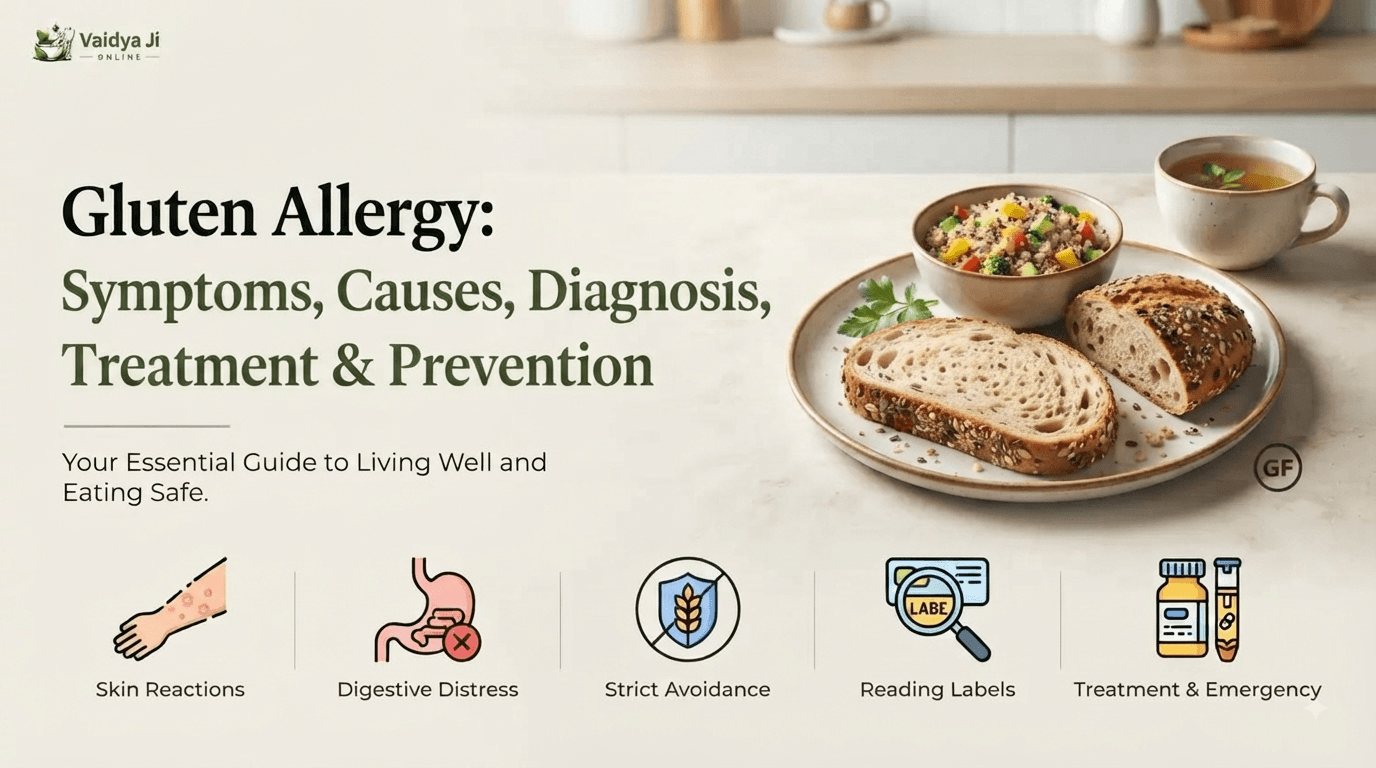
Navigating adverse reactions to food can feel overwhelming, especially when terms like “gluten allergy,” “celiac disease,” and “wheat intolerance” are used interchangeably. In reality, these conditions are distinctly different.
Whether you are experiencing unexpected discomfort after meals or trying to understand how a gluten allergy impacts your overall health, this comprehensive guide breaks down everything you need to know. Backed by medical insights and optimized for search engine clarity, read on to explore symptoms, root causes, diagnostic paths, and effective treatments.
What is a Gluten Allergy?
A Quick Definition: A true “gluten allergy” typically refers to a wheat allergy, where the immune system mistakenly views wheat proteins (including gluten) as dangerous invaders and produces IgE antibodies. This triggers an immediate immune response ranging from skin hives to severe respiratory distress.
It is vital to distinguish a true allergy from celiac disease (an autoimmune disorder damaging the small intestine) and non-celiac gluten sensitivity (NCGS), which causes digestive discomfort without immune or autoimmune destruction.
Common Gluten Allergy Symptoms
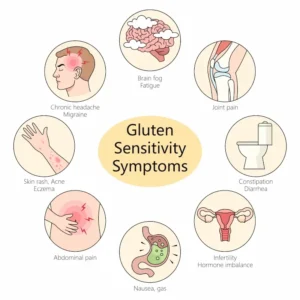
Featured Summary: Typical gluten allergy symptoms manifest rapidly after ingestion and can include skin rashes, hives, nasal congestion, swelling of the lips or throat, and digestive upset. In severe cases, it can lead to anaphylaxis.
Unlike non-celiac gluten sensitivity, which primarily causes delayed gastrointestinal distress, allergic reactions involve the immune system. Recognizing wheat intolerance symptoms and allergy markers early helps prevent life-threatening emergencies.
Primary Signs and Symptoms:
- Skin Reactions: Hives, itchy rashes, and localized swelling (angioedema).
- Respiratory Issues: Sneezing, a runny or stuffy nose, wheezing, and breathing difficulties.
- Digestive Troubles: Nausea, vomiting, stomach cramps, bloating, and diarrhea.
- Severe Reactions: Anaphylaxis—a critical condition involving throat constriction, severe drop in blood pressure, and dizziness.
Comparing Gluten-Related Disorders
To accurately pinpoint your health issues, it helps to understand how a gluten allergy contrasts with other gluten-related conditions.
| Feature | Wheat/Gluten Allergy | Celiac Disease | Non-Celiac Gluten Sensitivity |
| Primary Mechanism | Immune system (IgE mediated) | Autoimmune response | Digestive/Immune reaction (Non-autoimmune) |
| Intestinal Damage | None | Yes (Villi destruction) | None |
| Common Symptoms | Hives, wheezing, swelling, vomiting | Chronic diarrhea, weight loss, fatigue | Bloating, brain fog, joint pain |
| Onset Speed | Rapid (Minutes to hours) | Slow (Days to weeks) | Delayed (Hours to days) |
Primary Gluten Causes and Risk Factors
Quick Insight: Gluten causes adverse health effects depending on individual biological responses, ranging from genetic immune hypersensitivity to structural gut sensitivities.
A true wheat/gluten allergy is sparked when the body’s defense system misidentifies harmless food proteins (such as albumins, globulins, gliadins, and glutenins) as harmful invaders.
Key Contributing Factors:
- Genetic Predisposition: A family history of allergies, asthma, or eczema significantly increases the risk of developing a food allergy.
- Immune System Sensitivity: Dysfunctions causing the overproduction of IgE antibodies upon exposure to wheat proteins.
- Age Factors: Wheat allergies are substantially more common in infants and children, many of whom naturally outgrow the condition by adolescence.
Diagnosis: How Doctors Identify Gluten Conditions
Accurate diagnosis is crucial because treatment protocols vary entirely depending on whether you have an allergy, sensitivity, or celiac disease. Physicians typically utilize:
- Skin Prick Tests: Small amounts of wheat extracts are introduced to the skin surface to monitor for localized raised bumps or itching.
- Specific IgE Blood Tests: Measures the concentration of allergy-related antibodies present in your bloodstream.
- Elimination Diets and Oral Food Challenges: Carefully removing and reintroducing foods under strict clinical supervision.
- Serological & Endoscopic Tests: Performed by gastroenterologists to rule out celiac disease before confirming a sensitivity or allergy.
Effective Gluten Allergy Treatment and Management
Quick Summary: Comprehensive gluten allergy treatment centers primarily on absolute avoidance of trigger grains, complemented by emergency medical preparedness for severe accidental exposures.
Managing your health effectively requires vigilance, label-reading, and lifestyle adaptations.
1. Strict Dietary Elimination
If diagnosed with a wheat allergy, you must completely avoid foods containing wheat and related grains (like barley, rye, and triticale, depending on cross-reactivity and medical advice). Always scan processed food labels for hidden wheat binders, starches, and additives.
2. Emergency Medications
For accidental ingestion leading to acute reactions:
- Antihistamines: Useful for controlling mild symptoms like localized itching or hives.
- Epinephrine Auto-Injectors (EpiPen): Life-saving emergency treatment prescribed to counter severe, life-threatening anaphylaxis.
3. Nutritional Counseling
Eliminating staple grains can occasionally result in deficiencies in fiber, iron, and B-complex vitamins. Consulting a registered dietitian ensures you maintain a balanced, nutrient-dense diet using alternative grains like quinoa, rice, and amaranth.
Conclusion
Understanding the nuances of a gluten allergy, celiac disease, and wheat intolerance is essential for reclaiming your comfort and long-term health. While living with a wheat or gluten restriction requires vigilance with food labels and dining choices, modern grocery stores and restaurants offer more safe, delicious alternatives than ever before.
By working closely with healthcare professionals to secure an accurate diagnosis and implementing a tailored gluten allergy treatment plan, you can successfully manage your symptoms, prevent dangerous reactions, and enjoy a vibrant, healthy lifestyle.

Disclaimer: The information provided in this article is for educational and informational purposes only and should not be construed as professional medical advice. Always consult with a qualified physician, allergist, or registered dietitian before making significant changes to your diet, starting any new treatment protocol, or if you suspect you have a food allergy or underlying medical condition.
Frequently Asked Questions (FAQs)
Can a gluten allergy develop later in adulthood?
Yes. While food allergies are heavily diagnosed during childhood, adults can develop new sensitivities or true allergies later in life due to shifts in immune function, environmental factors, or changes in the gut microbiome.
Is a gluten allergy the same thing as celiac disease?
No. A gluten/wheat allergy is an immune system reaction mediated by IgE antibodies that can cause hives or breathing issues. Celiac disease is a chronic autoimmune condition where consuming gluten damages the lining of the small intestine.
What foods should I avoid on a strict gluten-free diet?
You should avoid conventional breads, pastas, baked goods, cereals, beers, and malt products made from wheat, barley, or rye. Always check product labels for “contains wheat” warning statements.
How can I tell if my fatigue and bloating are caused by gluten?
The most reliable way to evaluate this is through professional medical testing to rule out celiac disease and wheat allergies, followed by a closely monitored elimination diet under a doctor’s guidance.