
Back pain is one of the most common physical discomforts worldwide, affecting people of all ages from young adults to older seniors. Whether it manifests as a dull, persistent ache or a sharp, sudden spasm, back pain can severely disrupt your daily routine, work productivity, and overall quality of life.
While severe injuries require professional medical evaluation, mild to moderate discomfort often responds exceptionally well to safe, natural care. Exploring proven home remedies for back pain allows you to manage symptoms effectively from the comfort of your home, reducing reliance on conventional medications while promoting long-term spinal health.
What Causes Back Pain?
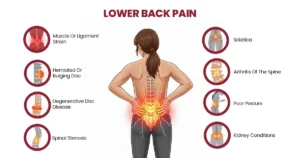
Back pain typically stems from mechanical stress, lifestyle habits, or age-related wear and tear on the spine, disks, and surrounding muscles. Identifying the root cause is essential for choosing the right back pain treatment at home.
- Muscle and Ligament Strain: Lifting heavy objects improperly or making sudden awkward movements can stretch or tear back muscles and spinal ligaments.
- Poor Posture: Slouching at a desk or looking down at smartphones for prolonged periods places immense unnatural pressure on the lumbar spine.
- Sedentary Lifestyle: A lack of physical activity weakens core abdominal and back muscles, leaving the spine without adequate muscular support.
- Excess Body Weight: Carrying extra pounds increases physical load and mechanical stress across the entire spinal column.
- Degenerative Disc Changes: Natural wear and tear on spinal discs over time can lead to stiffness and chronic lower back discomfort.
Common Symptoms of Back Pain
Back pain can present itself in several ways depending on the underlying trigger. Recognizing these signs early helps determine whether natural relief methods are appropriate:
- Sharp or Stabbing Pain: Often concentrated in the lower lumbar region, aggravated by bending or twisting.
- Muscle Spasms: Involuntary, painful tightening or contraction of the back muscles.
- Stiffness: Difficulty moving, bending, or straightening the back, particularly after prolonged periods of sitting or sleeping.
- Radiating Numbness or Tingling: A pins-and-needles sensation extending down into the buttocks or legs (often associated with nerve compression).
Effective Home Remedies for Back Pain
Natural therapies and traditional herbs have been utilized for centuries to alleviate inflammation and ease muscle tension safely. Here are the most effective home remedies for lower back pain:
1. Turmeric and Curcumin
Turmeric is a staple kitchen spice widely celebrated for its medicinal qualities. Its primary bioactive compound, curcumin, exhibits potent anti-inflammatory properties that help combat systemic inflammation and reduce discomfort in sore muscle tissues.
- How to use: Mix one teaspoon of pure turmeric powder into a glass of warm milk (or plant-based alternative) with a touch of honey. Drinking this soothing golden milk before bed supports nightly muscle recovery.
2. Ginger Root Infusions
Ginger contains active therapeutic constituents such as gingerol and zingerone, which possess natural pain-relieving and anti-inflammatory attributes similar to over-the-counter NSAIDs.
- How to use: Peel and thinly slice fresh ginger root, simmer it in boiling water for 10 minutes, strain, and enjoy as a warm tea twice daily.
3. Topical Capsaicin (Cayenne Pepper)
Derived from chili peppers, capsaicin works by depleting Substance P, a chemical neurotransmitter responsible for transmitting pain signals to the brain.
- How to use: Apply over-the-counter capsaicin patches or creams directly to the affected area. This provides targeted heat and rapid relief for stubborn lower back pain treatment at home.
4. White Willow Bark Tea
Known historically as “nature’s aspirin,” white willow bark contains salicin, a chemical compound that your body converts into salicylic acid, helping to minimize inflammation and ease muscular aches.
- How to use: Steep 1 to 2 teaspoons of dried white willow bark in hot water for 15 minutes, strain, and sip cautiously as needed.
5. Essential Oil Massage (Lavender and Eucalyptus)
Massaging the back with diluted essential oils helps release tension, calm inflamed tissue, and relax tight muscle spasms.
- How to use: Combine a few drops of lavender or eucalyptus essential oil with a carrier oil like coconut or jojoba oil, and gently massage into the sore lower back region.
Read More Blog : PCOS Belly Fat: Causes, Diet, and Effective Ways to Reduce It
Lifestyle Modifications for Long-Term Relief
Relying solely on herbal remedies is rarely enough without addressing underlying lifestyle habits. Sustainable recovery requires proactive daily adjustments:
- Targeted Core Strengthening: Incorporate low-impact exercises, gentle yoga, and pilates to build abdominal and spinal support structures.
- Hot and Cold Therapy: Apply ice packs during the first 48 hours of sudden pain to constrict blood vessels and reduce swelling; switch to warm compresses or heating pads afterward to relax stiff muscles.
- Ergonomic Adjustments: Ensure your workspace features supportive lumbar chairs, and take frequent standing breaks if you have a desk job.
| Remedy Type | Primary Mechanism | Best Suited For |
| Turmeric & Ginger | Systemic anti-inflammatory action | Chronic aches and morning stiffness |
| Capsaicin Patches | Blocking pain neurotransmitters | Localized muscular discomfort |
| Heat & Cold Therapy | Vascular constriction and muscle relaxation | Acute strains and tight spasms |
| Core Exercise & Yoga | Muscular reinforcement and flexibility | Preventing future flare-ups |
When to Seek Professional Medical Help
While mild episodes improve with self-care, severe back pain treatment home remedies have limits. You must consult a qualified physician or orthopedist immediately if you experience:
- Loss of bowel or bladder control.
- Progressive weakness, severe numbness, or loss of sensation in the legs.
- Unexplained weight loss accompanied by persistent night pain.
- Pain resulting from a high-impact trauma, fall, or accident.
- Symptoms that fail to improve after 3 to 4 weeks of consistent home care.
Conclusion
Managing discomfort doesn’t always require heavy pharmaceuticals. By incorporating anti-inflammatory herbs, targeted topical treatments, and healthy lifestyle habits, you can effectively alleviate mild to moderate back pain. Listen to your body, practice smart ergonomics, and never hesitate to seek expert medical guidance when home remedies prove insufficient.
Frequently Asked Questions (FAQs)
What is the fastest way to relieve lower back pain at home?
For fast temporary relief, apply an ice pack to reduce acute inflammation for 15 minutes, followed by gentle stretching or a warm bath. Topical capsaicin creams and soothing ginger tea can also provide rapid comfort.
How can I distinguish between normal muscle strain and a serious back injury?
Standard muscle strains typically improve within a few days with rest, heat, and gentle movement. A serious injury or nerve compression often involves sharp, shooting pains down the legs, progressive muscle weakness, numbness, or loss of bladder control, requiring urgent medical evaluation.
Are lifestyle changes effective for preventing chronic back pain?
Yes. Maintaining a healthy body weight, strengthening your core abdominal muscles, practicing proper lifting techniques, and avoiding prolonged sitting are proven ways to prevent recurrent back pain flare-ups.
What is the best sleeping position for lower back pain?
Sleeping on your back with a pillow placed underneath your knees is generally considered the best position, as it maintains the natural curve of your lumbar spine. If you prefer sleeping on your side, place a firm pillow between your knees to keep your hips, pelvis, and spine properly aligned throughout the night.
Can drinking water help reduce lower back pain?
Yes, staying well-hydrated is essential for spinal health. The intervertebral discs that cushion the bones in your spine are composed largely of water. Proper hydration helps these discs retain their height, elasticity, and shock-absorbing abilities, preventing stiffness and reducing pressure on spinal nerves.