
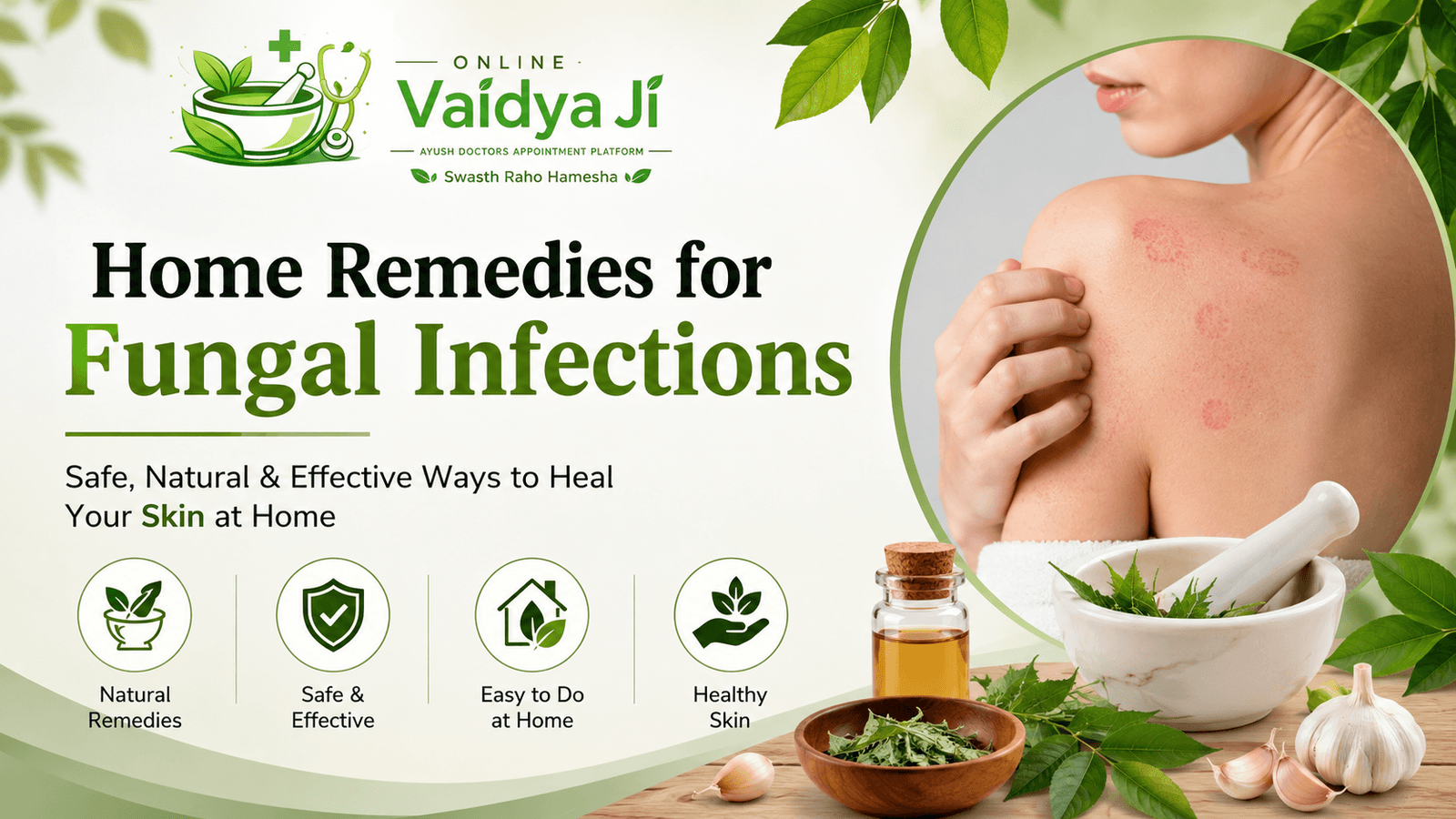
Home Remedies for Fungal Infections can help support healthy skin and provide relief from common symptoms such as itching, redness, scaling, burning, and uncomfortable rashes. They are more common in warm, humid conditions because fungi thrive in moist environments. Common examples include ringworm, athlete’s foot, jock itch, and some forms of yeast infection.
The safest approach to fungal skin infection treatment is to keep the affected area clean and dry and use an appropriate antifungal medicine when needed. Natural home-care measures may support skin hygiene and comfort, but they should not replace medical treatment when an infection is spreading, severe, or persistent. Dermatologists recommend antifungal treatment for ringworm and emphasize completing treatment as directed.
What Causes Fungal Infection?
Fungal infections develop when certain fungi multiply on or in the skin. Warmth, moisture, sweating, tight clothing, and shared personal items can increase the risk.
Ringworm, for example, can spread through skin-to-skin contact, infected towels or clothing, shared surfaces, and contact with infected animals.
Common risk factors include:
- Excessive sweating
- Hot and humid weather
- Wearing damp clothes or socks
- Tight or poorly ventilated clothing
- Walking barefoot in communal wet areas
- Sharing towels, clothing, or personal items
- Having frequent skin-to-skin contact with an infected person
- Certain health conditions that affect immunity
Keeping skin clean and dry is therefore an important part of both prevention and fungal infection treatment at home.
Common Symptoms of Fungal Infections
Fungal infections can look different depending on the affected body part and the type of fungus involved.
Typical symptoms may include:
- Itchy or burning skin
- Red or discolored patches
- Circular or ring-shaped rashes
- Dry, flaky, or scaly skin
- Cracking between the toes
- Rash in skin folds
- Changes in nail color or thickness
- Hair loss or scaly patches when the scalp is affected
Ringworm commonly produces a circular rash with a raised, scaly border, although its appearance can vary depending on where it occurs.
Home Remedies for Fungal Infections
1. Keep the Affected Area Clean and Dry
One of the simplest steps is regular cleansing followed by thorough drying.
Wash the area gently and dry it with a clean towel. Pay special attention to skin folds, feet, and areas that become sweaty. Avoid rubbing the skin aggressively because irritation can make symptoms more uncomfortable.
Keeping the skin dry is particularly important because fungi grow well in warm, moist environments.
2. Change Damp Clothes and Socks
If you sweat heavily, change clothes, underwear, or socks regularly. Choose loose, breathable clothing whenever possible.
After exercise, shower and change out of sweaty clothing rather than remaining in damp fabric for long periods.
3. Avoid Sharing Personal Items
Towels, clothes, combs, footwear, and sports equipment can contribute to the spread of certain fungal infections.
Wash clothing, towels, and bedding regularly, and avoid sharing personal hygiene items with someone who has a suspected fungal infection.
4. Use an Appropriate Antifungal Treatment
For confirmed ringworm and similar superficial fungal infections, an antifungal cream, ointment, spray, or other medication may be necessary.
Common antifungal ingredients include clotrimazole, miconazole, and terbinafine, depending on the type and location of infection. Some mild infections can respond to over-the-counter treatment, while extensive or stubborn infections may require prescription medicine.
Always follow the product instructions or your healthcare professional’s advice. Stopping treatment as soon as symptoms improve can allow the infection to return.
5. Keep Your Feet Dry
Athlete’s foot is a common fungal infection that affects the feet, particularly between the toes.
To reduce moisture:
- Dry carefully between your toes.
- Change socks every day or whenever they become damp.
- Wear breathable footwear.
- Avoid walking barefoot in shared showers and locker rooms.
- Rotate shoes when possible so they can dry completely.
These habits can support fungal infection treatment and help reduce reinfection.
Natural Remedies vs Medical Fungal Infection Treatment
Natural approaches are often searched for when people want to know how to cure fungal infection on skin naturally at home. However, evidence for many popular kitchen or herbal remedies is limited, and applying irritating substances directly to an inflamed rash may make the skin worse.
| Approach | Potential role | Important consideration |
| Keeping skin dry | Helps reduce moisture | Useful alongside treatment |
| Clean clothing and towels | Helps reduce spread | Wash items regularly |
| Antifungal creams | Treats many superficial fungal infections | Use according to directions |
| Herbal or kitchen remedies | Evidence varies | May irritate sensitive skin |
| Prescription antifungals | Used for difficult or extensive infections | Requires professional guidance |
Home care should be viewed as supportive care rather than a guaranteed cure. If the rash is truly fungal, appropriate antifungal treatment is usually more reliable than relying only on natural remedies.
What to Avoid During Fungal Infection Treatment at Home
Some popular internet remedies can irritate already-damaged skin. Avoid experimenting with concentrated essential oils, strong acids, bleach, harsh chemicals, or undiluted household ingredients.
Also avoid using steroid creams on a suspected fungal rash unless a healthcare professional specifically recommends them. A wrong treatment can make it harder to identify or control some skin conditions.
Because several skin problems can resemble fungal infections, getting the diagnosis right matters.
When Should You See a Doctor?
You should seek medical advice if:
- The rash continues to spread.
- Symptoms do not improve with appropriate treatment.
- The infection repeatedly returns.
- The scalp, beard, or nails are affected.
- There is significant swelling, pain, pus, or open skin.
- A large area of the body is affected.
- You have a weakened immune system or another condition that increases infection risk.
Scalp ringworm, for example, generally requires prescription antifungal treatment rather than home treatment alone.
How to Prevent Fungal Infections From Coming Back
Prevention is just as important as treatment. Fungal infections can return, particularly when moisture and exposure to contaminated items continue.
Follow these simple habits:
- Keep skin clean and dry.
- Change socks and underwear regularly.
- Wash towels and clothes frequently.
- Do not share personal items.
- Wear footwear in public showers and locker rooms.
- Shower after heavy exercise.
- Dry carefully after bathing.
- Keep nails clean and trimmed.
- Check pets for possible fungal infections and seek veterinary care if needed.
These measures can reduce exposure and help prevent the infection from spreading to other areas or people.
The best fungal skin infection treatment combines appropriate antifungal therapy with good hygiene and moisture control. Keeping the affected area dry, changing damp clothing, washing personal items, and avoiding shared towels can help prevent fungal infections from spreading.
While people often search for home remedies for fungal infections, natural ingredients should not be treated as guaranteed cures. If the rash spreads, repeatedly returns, affects the scalp or nails, or fails to improve, professional medical evaluation is the safer choice.
Consult an Ayurvedic Expert Online
While proper hygiene, moisture control, and appropriate antifungal care can support healthy skin, persistent or recurring fungal infections may require personalized medical guidance. If you are dealing with ongoing itching, redness, rashes, or a fungal infection that is not improving, consulting a qualified healthcare professional can help identify the right treatment approach. Book an online consultation with our certified Ayurvedic experts to receive personalized guidance on skin care, diet, lifestyle habits, and supportive Ayurvedic practices based on your individual needs.

Disclaimer: This article is for informational purposes only and does not replace professional medical advice, diagnosis, or antifungal treatment. Do not rely solely on home or natural remedies for persistent fungal infections. Consult a qualified healthcare professional if symptoms worsen, spread, or do not improve with appropriate care.
Frequently Asked Questions
Can fungal infections go away naturally?
Some mild skin problems may improve with good hygiene and moisture control, but a confirmed fungal infection may require antifungal treatment. Relying only on natural remedies can delay effective treatment.
How can I cure fungal infection on skin naturally at home?
If you are wondering how to cure fungal infection on skin naturally at home, start by keeping the area clean and completely dry, changing damp clothing, and avoiding shared towels or personal items. However, these steps may not eliminate the fungus. An appropriate antifungal treatment may be needed.
What is the best fungal infection treatment at home?
For many superficial fungal infections, an appropriate over-the-counter antifungal product can be effective when used according to its directions. The correct treatment depends on the type and location of the infection. If symptoms persist or worsen, consult a healthcare professional.
Can fungal infections come back after treatment?
Yes. Reinfection can happen, especially when exposure to moisture, infected objects, or other sources continues. Completing treatment as recommended and keeping the skin and personal items clean and dry can help reduce recurrence.