
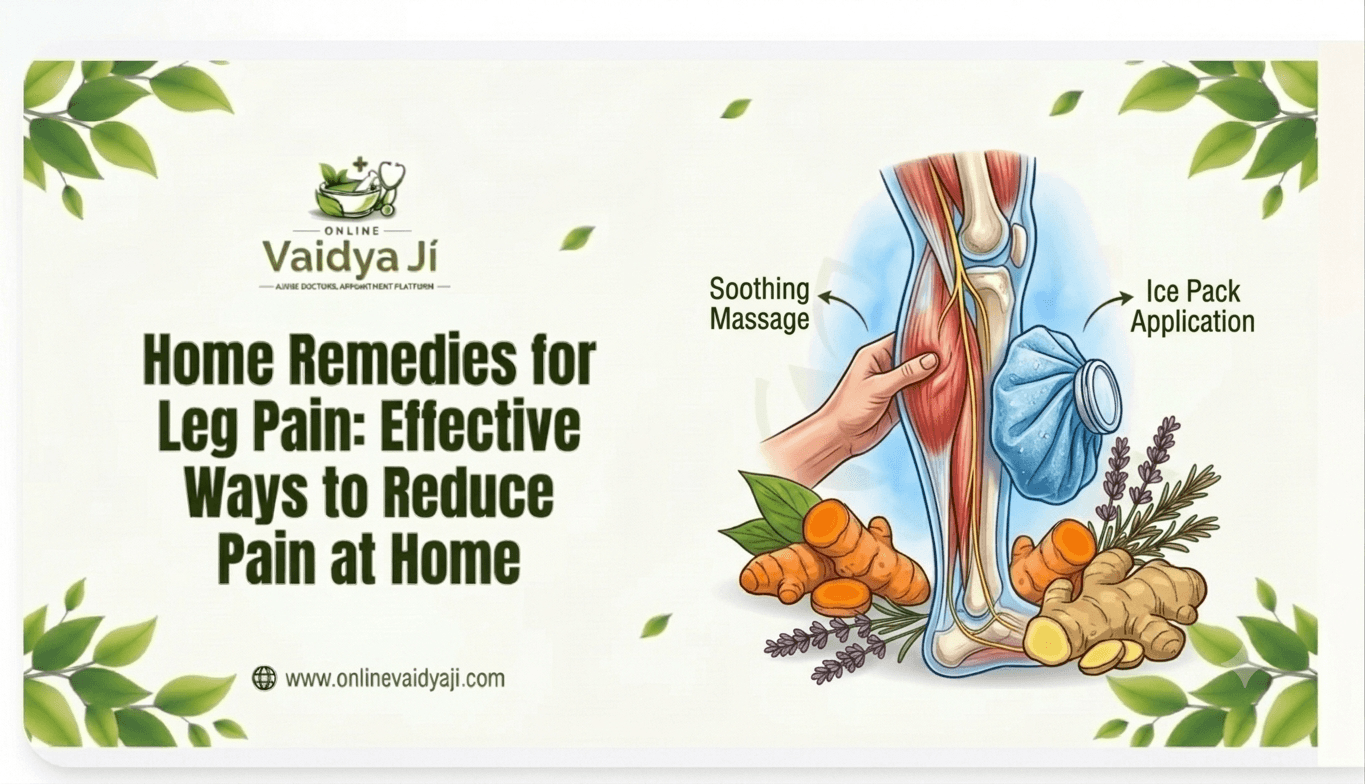
Leg pain is a common and often debilitating issue that affects people of all ages. Whether triggered by strenuous exercise, prolonged standing, dehydration, muscle strain, or underlying health conditions like varicose veins and arthritis, finding quick and reliable relief is essential. While severe or persistent discomfort requires professional medical evaluation, many mild to moderate cases can be safely managed with targeted natural care.
Knowing how to reduce leg pain using accessible ingredients and self-care techniques can significantly improve your mobility, comfort, and overall quality of life.
What Causes Leg Pain?
Leg pain can stem from a wide range of factors, varying from temporary fatigue to chronic medical conditions. Understanding the root cause helps determine the most effective approach for leg pain relief.
1. Common Lifestyle and Overuse Causes
- Muscle Strain and Fatigue: Over-stretching muscles during intense workouts or sudden physical activity.
- Dehydration and Electrolyte Imbalance: Insufficient water intake or low potassium, magnesium, and calcium levels.
- Medications: Certain drugs, such as statins and diuretics, can trigger muscle discomfort.
2. Physical Injuries
- Shin Splints: Pain along the shin bone caused by repetitive stress or overuse.
- Stress Fractures: Hairline cracks in the bone from high-impact activities.
- Tendinitis: Inflammation of the tendons connecting muscle to bone.
3. Underlying Medical Conditions
- Varocose Veins and Deep Vein Thrombosis (DVT): Impaired blood flow or blood clots causing persistent ache and swelling.
- Arthritis and Gout: Joint inflammation leading to stiffness and sharp pain.
- Nerve Damage (Neuropathy): Often associated with diabetes or smoking, characterized by burning or tingling sensations.
Symptoms Associated with Leg Pain
Leg pain manifests in various ways depending on the underlying trigger. Recognizing these symptoms helps in choosing the right home care strategy:
- Pain Intensity: Can range from a dull, persistent ache to sharp, stabbing discomfort.
- Location: May be localized to a specific spot (like the calf or shin) or radiate across the entire leg, lower back, and buttocks.
- Sensory Changes: Tingling, numbness, or a burning sensation.
- Additional Signs: Swelling, localized redness, skin discoloration, slow-healing wounds, or varicose veins.
Effective Home Remedies for Leg Pain
Implementing natural solutions can help ease discomfort and inflammation. Below are several evidence-informed natural approaches and self-care practices.
1. Apple Cider Vinegar
Apple cider vinegar has long been utilized for its therapeutic properties. External application of apple cider vinegar in individuals with varicosities (varicose veins) has been associated with a noticeable reduction in discomfort and heaviness.
- How to use: Dilute apple cider vinegar, apply it topically to the affected leg with gentle massage, or add a cup to a warm foot soak.
2. Turmeric
Turmeric contains curcumin, a potent bioactive compound known for its anti-inflammatory properties. Research indicates that turmeric helps alleviate joint stiffness and arthritic discomfort, making it a valuable option for managing inflammatory leg discomfort.
- How to use: Incorporate turmeric into your daily cooking or prepare a warm golden milk tonic using plant or dairy milk.
3. Ginger
Ginger is widely studied for its ability to manage inflammation associated with osteoarthritis and general muscular discomfort. Its active compounds help mitigate swelling and soothe sore tissues.
- How to use: Consume ginger tea daily, or gently massage warm ginger-infused oil onto tired, aching legs.
4. Lavender Essential Oil
Lavender oil offers calming, analgesic properties that help alleviate both acute discomfort and long-term aches. Massaging tired limbs with diluted essential oils promotes local circulation and muscle relaxation.
- How to use: Dilute a few drops of lavender essential oil in a carrier oil (such as coconut or almond oil) and massage the legs upward toward the heart.
5. Garlic
Garlic contains allicin, a powerful sulfur compound responsible for many of its medicinal benefits. Studies suggest that garlic consumption can help reduce joint discomfort due to its natural anti-inflammatory activity.
- How to use: Include fresh garlic in your meals or crush cloves to mix with warm mustard or sesame oil for topical application.
6. R.I.C.E.R. Method
For sudden leg pain resulting from minor injuries or strains, the R.I.C.E.R. protocol is highly effective:
- Rest: Avoid putting weight on the injured leg.
- Ice: Apply a cold pack wrapped in a cloth for 15–20 minutes to reduce swelling.
- Compression: Wrap the area gently with an elastic bandage to provide support.
- Elevation: Keep the leg raised above heart level to minimize fluid buildup.
- Referral: Consult a healthcare professional if pain persists.
Read More Blog : How to Clean Infant Ears: Safe and Easy Ear Care Tips
Comparison of Popular Leg Pain Relief Remedies
| Remedy | Primary Mechanism | Best Suited For | Application Method |
| Turmeric | Anti-inflammatory curcumin action | Joint stiffness & arthritis-related aches | Dietary intake or golden paste |
| Lavender Oil | Analgesic & muscle relaxing | Muscle soreness & relaxation | Topical massage with carrier oil |
| Ginger | Inhibits inflammatory pathways | Muscular discomfort & swelling | Herbal tea or topical oil |
| R.I.C.E.R. | Reduces acute swelling & tissue trauma | Sudden injury, sprains, and strains | Cold packs, rest, and elevation |
When to Seek Medical Help
While home remedies provide excellent relief for minor strains and fatigue, certain symptoms warrant immediate medical evaluation:
- High fever accompanying leg pain.
- Sudden, severe swelling, redness, or warmth in the calf.
- Legs turning pale, blue, or feeling cold to the touch.
- Pain that intensifies progressively during walking or exercise, or does not improve with rest.
- Open sores, ulcers, or wounds that are slow to heal.

Conclusion
Finding relief from discomfort doesn’t always require immediate medical interventions for mild, everyday aches. Incorporating natural home remedies for leg pain—such as applying anti-inflammatory turmeric, using soothing lavender oil massages, staying properly hydrated, and practicing the R.I.C.E.R. method—can significantly ease muscle soreness and joint stiffness. By recognizing the root causes and symptoms early on, you can effectively manage discomfort from the comfort of your home. However, always listen to your body and consult a healthcare professional if your leg pain persists or is accompanied by severe symptoms like numbness, intense swelling, or discoloration.
Frequently Asked Questions (FAQs)
Can leg pain be caused by exercise?
Yes, over-straining muscles, exercising without adequate warm-up, pushing through fatigue, or failing to maintain proper hydration can all lead to acute leg muscle pain and cramping.
Can leg pain be a sign of diabetes?
Yes, prolonged high blood sugar levels can damage peripheral nerves (diabetic neuropathy), resulting in chronic burning, tingling, or aching sensations in the legs and feet.
How can I reduce leg pain quickly at home?
Gentle stretching, staying well-hydrated, applying a cold or warm compress depending on the cause, elevating your legs, and massaging with essential oils can provide fast, effective relief.
Are essential oils safe for relieving leg pain?
Yes, essential oils like lavender or chamomile possess soothing properties. Always dilute them properly in a carrier oil before applying them to the skin to prevent irritation.