
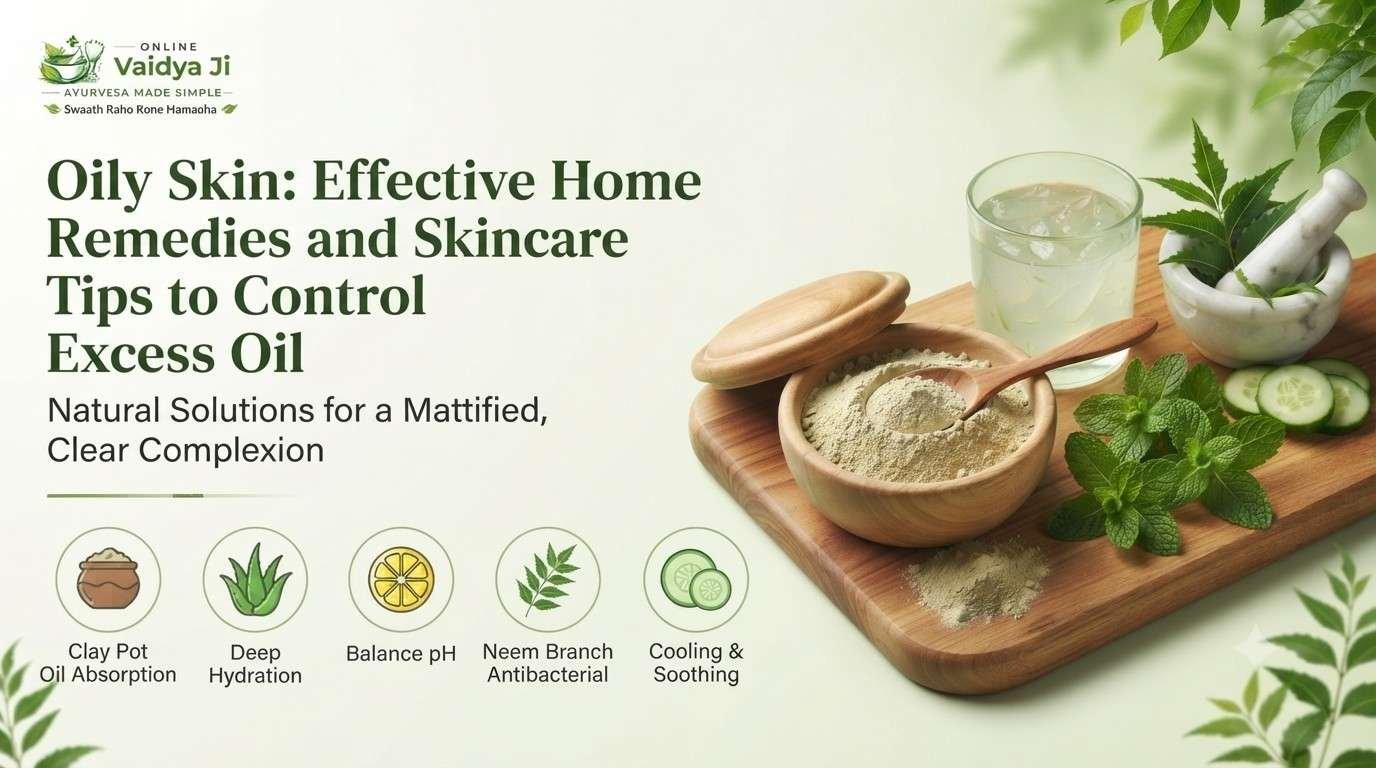
Excess facial oil can leave your complexion looking greasy, block your pores, and lead to frequent breakouts and blackheads. While sebaceous glands produce natural oil to keep the skin hydrated, overproduction can stem from genetics, hormonal shifts, humidity, or harsh skincare products. Fortunately, you can manage shine and achieve a balanced complexion using safe, time-tested natural solutions. This guide explores proven home remedies for oily skin that help you reclaim a healthy, glowing appearance.
What Causes Excess Facial Oil?

Quick Answer: Excess facial oil is primarily caused by overactive sebaceous glands triggered by hormonal fluctuations, genetics, high humidity, stress, or using harsh, stripping skincare products that force the skin to overcompensate by producing more oil.
Before diving into treatments, it helps to understand why your skin feels slick. Your sebaceous glands produce sebum—an oily substance vital for skin barrier health. However, several factors push these glands into overdrive:
-
Genetics: If your parents had oily skin, you are more likely to inherit overactive oil glands.
-
Hormonal Changes: Fluctuations during puberty, menstrual cycles, pregnancy, or chronic stress can spike androgen levels, accelerating sebum production.
-
Harsh Skincare: Using stripping cleansers or aggressive scrubs damages your skin moisture barrier. In response, your skin produces extra oil to protect itself.
-
Diet and Climate: Humid weather increases sweat and oil secretion, while diets high in refined sugars and processed foods can worsen skin inflammation and oiliness.
Read More blog : How to Reduce Freckles on Face: Causes, Remedies & Prevention
Top Natural Home Remedies for Oily Skin
If you are looking for an oily skin treatment at home, kitchen staples and natural clays offer gentle yet effective ways to absorb extra grease without harming your skin barrier.
1. Fuller’s Earth (Multani Mitti) Mask
Fuller’s Earth is one of the most popular and time-tested oily skin remedies. As a natural clay, it possesses exceptional oil-absorbing properties that pull out deep-seated dirt, impurities, and surface oil.
-
How to use: Mix 2 tablespoons of Multani mitti with enough rose water or plain water to form a smooth paste. Apply it evenly to your face, let it dry for 10–15 minutes, and rinse thoroughly with cool water.
2. Gram Flour (Besan) and Yogurt Pack
Gram flour acts as a natural cleanser and mild exfoliator. Combined with yogurt, which contains lactic acid, it helps regulate oil production while gently removing dead skin cells.
-
How to use: Combine 2 tablespoons of gram flour with a tablespoon of fresh yogurt to create a uniform paste. Apply it to your face, allow it to dry completely, and rinse with lukewarm water.
3. Aloe Vera Gel Hydration
While heavy creams can clog pores, pure aloe vera acts as a lightweight hydrator. It cools the skin, prevents acne flare-ups, and manages oil levels.
-
How to use: Scoop fresh aloe vera gel directly from the leaf (or use pure store-bought gel) and massage a thin layer into your face. Leave it on overnight or wash off after 20 minutes.
4. Honey and Oatmeal Exfoliation
Oatmeal is rich in antioxidants and anti-inflammatory compounds that soothe irritated skin, while honey provides natural antibacterial and moisturizing benefits without adding greasiness.
-
How to use: Mix ground oats with raw honey to form a thick paste. Gently massage it onto your face in circular motions to clear clogged pores, then rinse with lukewarm water.
Read More Blog : Red Light Therapy: Does It Work? Benefits, Uses & What Research Says
Daily Skincare Habits on How to Reduce Oil on Face
Incorporating natural masks is helpful, but your daily routine dictates long-term success. Follow these steps on how to reduce oily skin naturally:
-
Gentle Cleansing: Wash your face twice daily using a mild, non-comedogenic cleanser. Avoid hot water, which strips natural moisture and triggers more oil secretion. Look for cleansers containing salicylic acid if you are prone to breakouts.
-
Never Skip Moisturizer: Many people make the mistake of avoiding moisturizer. Skipping this step dehydrates your skin, making it produce more grease. Opt for oil-free, water-based, non-comedogenic moisturizers containing ingredients like hyaluronic acid.
-
Use Blotting Papers: Keep blotting papers handy throughout the day. Gently press them onto oily zones (like the T-zone) to absorb excess shine instantly without disturbing your makeup or spreading oil.
-
Incorporate Sunscreen Daily: Choose a lightweight, gel-based, broad-spectrum SPF 30 or higher to protect your skin from UV damage without clogging pores.
Comparison Table: Home Remedies vs. Commercial Skincare for Oily Skin
| Feature | Home Remedies (Multani Mitti, Besan, Aloe Vera) | Commercial Skincare (Salicylic Acid, Gel Moisturizers) |
| Cost | Highly affordable and budget-friendly | Can range from moderate to expensive |
| Convenience | Requires preparation time | Ready to use instantly |
| Chemical Content | 100% natural, minimal risk of synthetic additives | Formulated with active ingredients, potential for irritation if overused |
| Action Speed | Gradual results with consistent practice | Targeted and often faster results for severe acne/oil |
| Best For | Maintenance, gentle oil control, and natural glow | Deep pore cleansing, active acne management, and precise oil regulation |
Lifestyle Adjustments on How to Remove Oily Face
External treatments work best when supported by healthy lifestyle choices. Here is how to remove oily face triggers from your daily routine:
-
Hydrate Consistently: Drink 8 to 10 glasses of water daily to flush out toxins and keep your skin cells healthy from within.
-
Watch Your Diet: Cut back on sugary snacks, fried items, and dairy, which can stimulate sebum glands and trigger inflammation. Focus instead on fresh fruits, green vegetables, and antioxidant-rich foods.
-
Avoid Touching Your Face: Your hands transfer dirt, bacteria, and excess oils directly to your facial skin, leading to clogged pores and breakouts.
-
Remove Makeup Before Bed: Always cleanse your skin thoroughly before sleeping to allow your pores to breathe and regenerate overnight.

Conclusion
Managing oily skin doesn’t require expensive treatments or harsh chemical routines. By consistently utilizing natural home remedies for oily skin like Multani mitti and aloe vera, adopting a gentle cleansing and moisturizing regimen, and making smart lifestyle choices, you can successfully control excess shine. Listen to your skin, maintain a balanced routine, and enjoy a clear, fresh, and healthy complexion naturally.
Frequently Asked Questions (FAQs)
Q1. Can I use coconut oil if I have oily skin?
A: No, coconut oil is heavily comedogenic (pore-clogging) and can trap excess sebum, leading to severe breakouts and blackheads. Instead, opt for lightweight, non-comedogenic hydrators like pure aloe vera gel or oil-free water gels.
Q2. How many times a day should I wash an oily face?
A: You should wash your face twice a day—once in the morning and once before bed—plus after heavy workouts. Washing too frequently (more than 3 times a day) strips your skin barrier, causing glands to overproduce oil.
Q3. Does drinking more water reduce facial oil?
A: Yes, staying well-hydrated helps maintain your skin’s overall moisture balance and elasticity. While it doesn’t directly stop oil production, internal hydration prevents dehydration-triggered oil overcompensation.
Q4. Are home remedies safe for acne-prone oily skin?
A: Most natural remedies like fuller’s earth, aloe vera, and honey are safe and soothing. However, if you have severe cystic acne or sensitive skin, perform a patch test first or consult a dermatologist before applying active kitchen ingredients.
Q5. What ingredients should I look for in commercial products for oily skin?
A: Look for non-comedogenic, oil-free labels containing ingredients like salicylic acid (BHA) to clear pores, niacinamide to regulate sebum production, and hyaluronic acid for lightweight hydration.