
Have you ever taken off a woolen sweater or brushed your hair on a crisp morning, only to watch your strands lift, separate, and cling stubbornly to your face and clothes? That frustrating phenomenon is static hair, and it is an extremely common annoyance.
Knowing how to get rid of static hair naturally can save you from a bad hair day without exposing your locks to harsh chemical anti-static sprays or heavy silicones. In this guide, we explore the science behind flyaways, effective home treatments, and proactive strategies to keep your hair sleek, smooth, and manageable year-round.
Understanding Static Hair
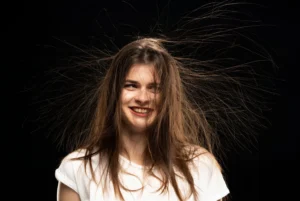
Static hair occurs when an electrical charge builds up on the surface of your hair strands. When your hair lacks moisture, it loses its ability to ground electrical charges. Because hair strands of the same electrical polarity repel one another, individual hairs push away from each other and stand upright, creating stubborn flyaways.
Unlike frizz—which is primarily caused by dry hair absorbing moisture from humid air—static electricity is triggered by a lack of ambient humidity, friction, and dry environmental conditions.
Causes of Static Hair
To effectively learn how to get rid of static hair naturally, you first need to identify what triggers it. Several daily habits and environmental factors disrupt your hair’s electrical and moisture balance:
- Dry Environmental Conditions: Low humidity levels during cold winter months or in arid climates strip moisture from both the air and your hair shafts.
- Friction from Synthetic Fabrics: Wearing hats, scarves, or sweaters made from polyester, nylon, or acrylic generates high amounts of static electricity through contact friction.
- Plastic Brushes and Combs: Using plastic hair tools creates an electrical imbalance on the hair cuticle, causing strands to charge up and fly away.
- Over-Washing and Hot Styling: Stripping natural sebum with harsh, high-pH shampoos or subjecting hair to frequent heat styling leaves cuticles dehydrated and prone to static buildup.
How to Get Rid of Static Hair Naturally
Taming flyaways does not require expensive salon treatments. You can restore moisture and neutralize electrical charges using simple, everyday ingredients and mindful habits.
1. Quick Fixes for Instant Relief
When you are on the go and notice static taking over, try these quick, natural remedies:
- The Hand Lotion Trick: Rub a tiny pea-sized amount of natural hand lotion or coconut oil between your palms, then gently smooth your hands over your hair. The light moisture barrier immediately grounds the electrical charge.
- A Splash of Water: Lightly spritz your hands with filtered water or rose water and run your damp fingers through your hair to instantly restore moisture balance.
- Dryer Sheet Sweep: While synthetic, gently gliding a clean dryer sheet over the surface of your hair can dissipate static charge in seconds.
2. Nourishing with Natural Oils
Dry hair is the primary culprit behind static electricity. Incorporating natural emollients into your routine locks in hydration:
- Argan and Coconut Oil: Apply a few drops of lightweight argan oil or virgin coconut oil to damp ends after washing to seal the hair cuticle.
- Hot Oil Treatments: Once a week, treat your scalp and lengths to a warm olive or jojoba oil massage to deeply nourish the hair shaft.
3. Upgrade to Natural Brushes
Ditch plastic brushes immediately. Switch to 100% boar
bristle brushes or solid wooden combs. Wood and natural fibers are neutral materials that do not conduct or build up static electricity, keeping your hair smooth every time you groom.
Read More Blog : Fenugreek for Hair Growth: Benefits, Uses & How It Works
How to Get Rid of Static Hair in Winter
Cold weather brings indoor heating, dropping outdoor humidity, and heavy winter garments—a recipe for severe static buildup. Learning how to get rid of static hair in winter requires adjusting your daily habits to combat extreme dryness:
- Use a Cool-Mist Humidifier: Place a humidifier in your bedroom or workspace to add moisture back into the indoor air, preventing your hair from drying out overnight.
- Wear Silk-Lined Beanies: Winter wool and acrylic beanies create massive static friction. Line your winter hats with a satin or silk scrap fabric, or wear a silk bonnet underneath.
- Switch to Leave-In Conditioners: Apply a hydrating, botanical leave-in conditioner before stepping out into the cold wind to create a protective moisture shield.
Clothing Choices and Static Hair
Your wardrobe plays a massive role in generating static electricity. When synthetic clothing rubs against your hair, electrons transfer rapidly, causing your strands to stand on end.
- Embrace Natural Fibers: Choose breathable, natural fabrics like 100% cotton, linen, silk, and bamboo for your clothing and bedding.
- Avoid Pure Synthetics: Minimize direct contact with polyester, rayon, and nylon, especially in scarves, turtlenecks, and pillowcases.
- Upgrade Your Bedtime Routine: Swap standard cotton or synthetic pillowcases for mulberry silk or satin pillowcases. Silk reduces friction drastically, ensuring you wake up with frizz-free, static-free hair.
How to Prevent Static Hair
Prevention is always better than cure. Establishing a sustainable, holistic hair care routine ensures long-term protection against static electricity.
Static vs. Frizzy Hair: Quick Comparison
| Feature | Static Hair | Frizzy Hair |
| Primary Cause | Lack of moisture combined with friction and low humidity. | Dry hair absorbing moisture from humid air. |
| Strand Behavior | Strands repel each other, standing upright and clinging to clothes. | Strands swell, lift, and curl haphazardly in different directions. |
| Peak Season | Winter and dry, arid climates. | Summer and humid, rainy seasons. |
| Best Solution | Neutralize charge with natural oils, moisture, and wooden combs. | Seal cuticles with anti-humidity serums and deep conditioners. |
Eat a Balanced Diet: Support your hair structure from within by consuming foods rich in Omega-3 fatty acids, vitamins A, C, and E, and zinc (such as walnuts, avocados, leafy greens, and eggs).- Stay Hydrated: Drink plenty of water throughout the day to keep your scalp and hair tissues hydrated from the inside out.
- Get Regular Trims: Split ends worsen static by catching electrical charges and tangling easily. Schedule a trim every 6 to 8 weeks to keep ends healthy.

Conclusion
Dealing with flyaways can be frustrating, but you do not need harsh chemicals to achieve a sleek finish. By understanding the root causes, applying simple natural oils, upgrading your hair tools, and choosing breathable fabrics, you can easily master how to get rid of static hair naturally. Implement these gentle, effective habits today and enjoy smooth, manageable hair all year long.
Frequently Asked Questions (FAQs)
What are the best home remedies for static hair?
The most effective home remedies include applying a few drops of argan or coconut oil to damp hair ends, spritzing rose water to restore immediate moisture balance, and smoothing hair with a wooden comb instead of plastic brushes.
Why does static hair happen mostly in winter?
Winter air contains very little moisture. Combined with indoor heating and friction from heavy wool or synthetic winter clothing, your hair loses its natural moisture barrier and rapidly builds up positive electrical charges.
Can changing my pillowcase help reduce static hair?
Yes! Switching from a standard cotton or synthetic pillowcase to a pure silk or satin pillowcase significantly reduces overnight friction, preventing static buildup, tangles, and breakage while you sleep.
When should I consult a dermatologist about dry, static hair?
If your hair remains extremely brittle, dry, or static-prone despite maintaining a robust moisturizing routine, deep conditioning, and healthy dietary habits, consult a dermatologist to check for underlying scalp conditions or nutritional deficiencies.