
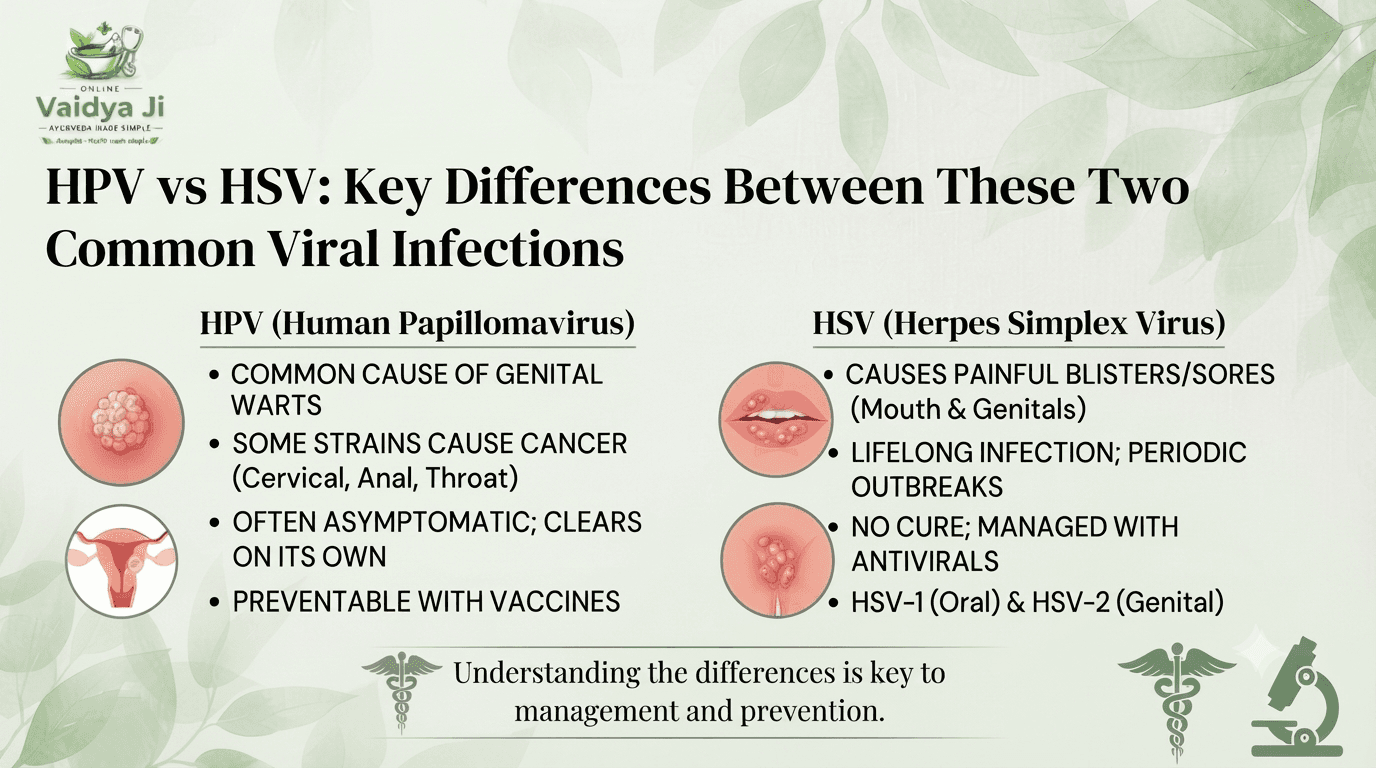
Navigating sexual health information can sometimes feel overwhelming, especially when medical terms sound similar. A frequent question many people ask is: Is HPV herpes?
While it is entirely normal to confuse the two because both are common sexually transmitted infections (STIs) that can affect the genital region, HPV is not herpes. They are caused by completely different viruses, behave differently in the body, present with distinct symptoms, and require different medical approaches.
Understanding the differences between hpv vs hsv is crucial for proper health management, timely screening, and peace of mind.
What is HPV (Human Papillomavirus)?
HPV is the most common sexually transmitted infection worldwide. It belongs to the Papillomaviridae family and is a double-stranded DNA virus. There are over 200 different types of HPV, which are broadly categorized into two main groups based on their health risks:
- Low-Risk HPV Types (e.g., HPV 6 and 11): These strains typically do not cause serious health complications. Instead, they are responsible for benign skin conditions, most notably genital warts or warts in the mouth and throat.
- High-Risk HPV Types (e.g., HPV 16 and 18): These strains are more serious because persistent infections can cause cellular changes that may eventually lead to cancers of the cervix, anus, penis, vagina, vulva, and certain areas of the throat.
Most people who contract HPV will never develop symptoms, and their immune systems clear the virus naturally within one to two years. However, when the virus persists, medical intervention becomes necessary.
What is HSV (Herpes Simplex Virus)?
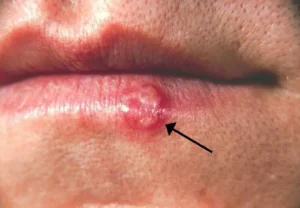
HSV stands for Herpes Simplex Virus, which belongs to the Herpesviridae family. Unlike HPV, which can often be cleared by the immune system, herpes is a lifelong infection. Once the virus enters the body, it travels along nerve pathways and settles into a dormant (sleeping) state within nerve ganglia, where it remains hidden from the immune system indefinitely.
HSV is divided into two primary types:
- HSV-1: Traditionally associated with oral infections, HSV-1 primarily causes cold sores or fever blisters around the mouth and lips. However, due to oral-genital contact, HSV-1 can also cause genital herpes.
- HSV-2: This strain is primarily transmitted sexually and is the main cause of genital herpes, resulting in recurrent painful blisters or sores in the genital or anal regions.
Reactivation can be triggered by stress, illness, UV exposure, or hormonal shifts, causing the virus to travel back down the nerve pathways and cause recurring flare-ups.
Read More Blog : Home Remedies for Dark Lips: Ways to Reduce Lip Pigmentation Naturally
HPV vs Herpes: Key Comparison
To easily understand the core contrasts between hpv vs herpes, review the side-by-side comparison below:
| Feature | Human Papillomavirus (HPV) | Herpes Simplex Virus (HSV) |
| Family / Type | Papillomavirus (DNA virus) | Herpesvirus (DNA virus) |
| Primary Symptoms | Often asymptomatic; can cause flat or cauliflower-like genital warts or precancerous cell changes. | Painful, fluid-filled blisters or open sores on the mouth, genitals, or anus; burning and swelling. |
| Mode of Transmission | Skin-to-skin contact, primarily through vaginal, anal, or oral sexual activity. | Direct contact with infected sores, saliva, or genital fluids; sexual contact; asymptomatic shedding. |
| Lifelong Infection? | No, the immune system frequently clears the virus naturally within 1–2 years. | Yes, the virus remains dormant in the nervous system for life. |
| Available Prevention | Prophylactic vaccines (e.g., Gardasil 9) are available for high-risk strains. | No vaccine currently available; managed through barrier methods and antiviral therapy. |
| Primary Medical Management | Monitoring cell changes via Pap smears; removing warts via topicals, cryotherapy, or surgery. | Managed with prescription oral antiviral medications (e.g., acyclovir, valacyclovir) to reduce outbreak severity. |
How Do You Get HPV and Herpes?
Both viruses are transmitted primarily through intimate contact, but their exact mechanisms vary slightly:
- How HPV Spreads: HPV spreads via direct skin-to-skin contact during vaginal, anal, or oral sex. Because the virus lives in the skin, barrier methods like condoms reduce risk but may not cover all exposed skin areas. You can contract or transmit HPV without any visible warts or outward symptoms.
- How Herpes Spreads: HSV spreads when infected fluids or skin lesions touch broken skin or mucous membranes (such as the mouth, vagina, or rectum). HSV can also spread through asymptomatic shedding, meaning a person can pass the virus even when no visible blisters or sores are present.
Symptoms of HPV vs Herpes
Recognizing physical signs helps individuals seek timely medical attention, though many infected individuals experience no symptoms at all.
- HPV Symptoms: Most people have zero symptoms. When symptoms do appear, they usually manifest as painless, raised, flesh-colored bumps or rough, cauliflower-like growths in the genital or anal regions. High-risk strains produce no external warts; instead, they cause internal cellular abnormalities detectable only via screening (like a Pap test).
- Herpes Symptoms: HSV outbreaks are typically characterized by intense discomfort, itching, and clusters of painful, fluid-filled blisters that eventually burst and crust over. Initial outbreaks may also be accompanied by flu-like symptoms such as fever, body aches, swollen lymph nodes, and a burning sensation during urination.
Diagnosis and Testing Methods
Healthcare providers use different diagnostic protocols depending on the suspected infection:
- Diagnosing HPV: There is no routine HPV screening blood test for men. For women, high-risk HPV is detected via cervical screening tests (Pap smears or primary HPV tests) performed during pelvic exams. Genital warts are typically diagnosed visually by a healthcare provider.
- Diagnosing Herpes: HSV is diagnosed through a physical examination of active lesions, a swab test of fluid from a blister sent for PCR testing, or specific type-specific blood tests (serology) that detect HSV antibodies when active sores are absent.
Treatment and Management Options
While neither infection has a complete cure that eradicates the underlying viral particles entirely, both are highly manageable:
- Managing HPV: Treatment focuses on addressing the consequences of the infection rather than the virus itself. Genital warts can be removed using prescription topical medications, freezing (cryotherapy), or surgical removal. Regular screenings ensure that abnormal cellular changes caused by high-risk strains are caught and treated early before they develop into cancer.
- Managing Herpes: Outbreaks are managed using prescription antiviral medications such as valacyclovir, acyclovir, or famciclovir. These drugs help shorten healing time, lessen pain, and reduce the frequency of future outbreaks or viral shedding.
Read More Blog : Dark Lips: Causes, Home Remedies & Tips for Naturally Pink Lips
Prevention Strategies
Proactive steps can significantly lower your risk of contracting either infection:
- Get Vaccinated: Highly effective vaccines protect against major high-risk and low-risk HPV strains. Vaccination is recommended for pre-teens, teenagers, and young adults, though adults can also benefit.
- Use Barrier Protection: Consistently using condoms and dental dams during vaginal, anal, and oral sex reduces the risk of transmission, though they do not provide 100% protection against skin-to-skin contact areas.
- Open Communication: Discuss sexual health history openly with partners and get routine STI screenings together.
- Maintain Overall Wellness: Supporting your immune system through a balanced diet, regular exercise, stress management, and adequate sleep helps your body naturally suppress viral activity, particularly for HSV.
Conclusion: Understanding the Differences
Navigating sexual health can feel complex, but understanding the distinct differences between hpv vs hsv is an empowering step toward taking control of your well-being. While both are common viral infections that affect the genital and oral regions, they stem from completely separate viral families, behave differently in the body, and require unique medical management strategies.
Frequently Asked Questions (FAQs)
1. Can HPV turn into herpes?
No, HPV and herpes are caused by entirely different families of viruses. Having one infection does not cause or transform into the other, though an individual can theoretically contract both infections independently.
2. Can you test positive for herpes without ever having symptoms?
Yes. It is possible to carry HSV-1 or HSV-2 without experiencing visible outbreaks. Type-specific blood tests can detect antibodies against the virus even in asymptomatic individuals.
3. Is there a cure for herpes or HPV?
Neither virus has a definitive cure that completely removes it from the body. However, the body clears most HPV infections naturally within a couple of years, and herpes symptoms are easily controlled and suppressed using modern antiviral treatments.
4. Can herpes cause warts?
No. Herpes causes painful fluid-filled blisters and open sores, whereas low-risk HPV strains cause flat or cauliflower-like growths known as herpes warts or genital warts.