
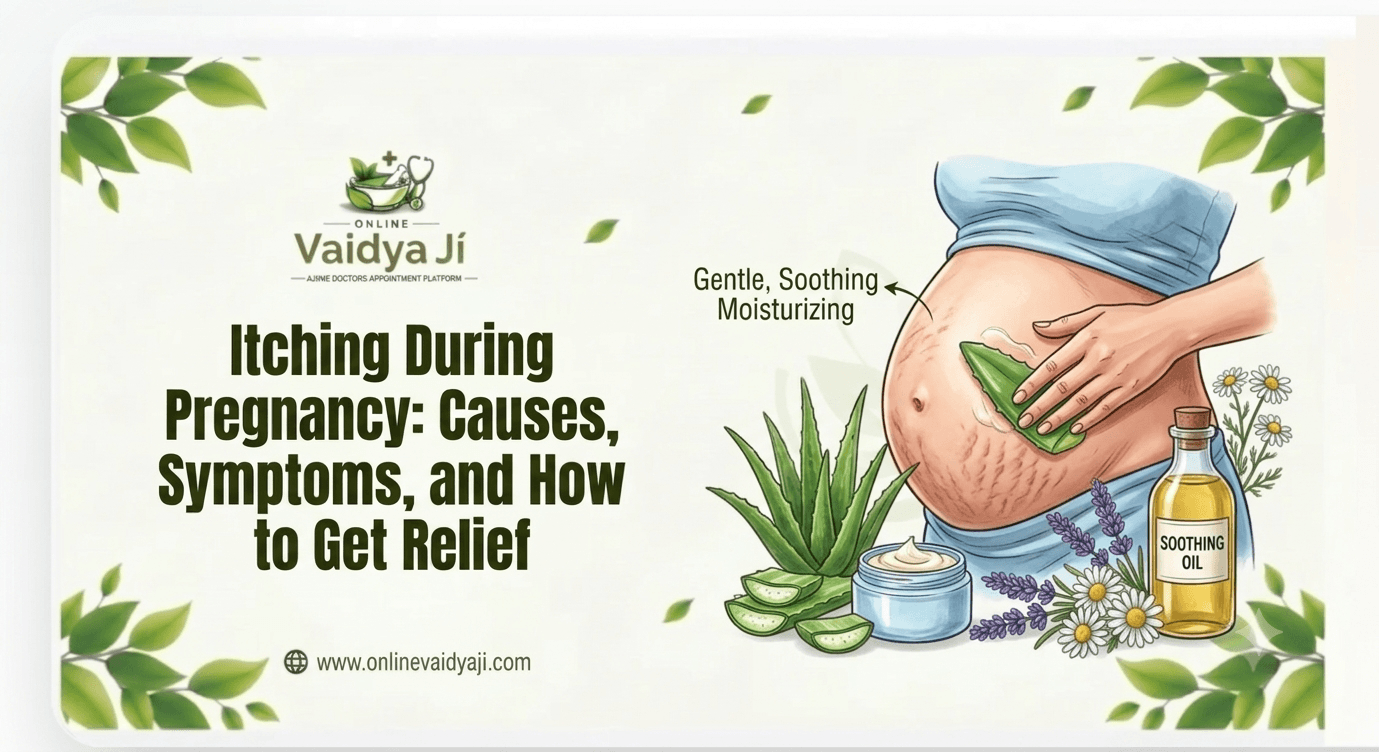
Pregnancy is a transformative journey filled with excitement, but it also brings a wave of physical changes. From glowing skin to unexpected breakouts, your body undergoes incredible shifts. One of the most common yet uncomfortable experiences during this time is skin irritation. In fact, studies show that mild to moderate body itching during pregnancy affects up to 38% of expecting mothers.
While everyday dryness or stretching skin is usually harmless, persistent irritation can sometimes signal an underlying condition that requires medical attention. Understanding the root triggers, recognizing warning signs, and knowing how to reduce itching during pregnancy can help you navigate this phase safely and comfortably.
What Is Itching During Pregnancy?
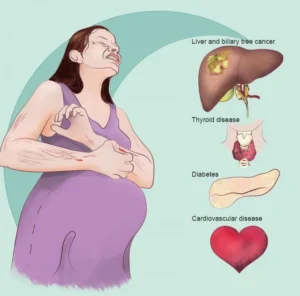
Itching (pruritus) during pregnancy is an intense or mild urge to scratch any part of the body. It most commonly starts around the abdomen as the skin stretches to accommodate your growing baby, but it can also be driven by hormonal surges or specific liver and skin conditions.
While a bit of dry-skin scratching is completely normal, persistent body itching during pregnancy—especially when it disrupts your sleep or lacks a visible rash—should always be evaluated by a healthcare professional.
Common Causes of Itching During Pregnancy
Identifying the root trigger is vital for effective relief. The causes of itching in pregnancy generally range from normal physiological shifts to distinct pregnancy-related medical conditions:
- Skin Stretching: As your bump, breasts, and hips expand rapidly, the collagen fibers in your skin stretch, often causing mild surface dryness and itching.
- Hormonal Fluctuations: Surging estrogen and progesterone levels alter skin sensitivity, making you more prone to localized or generalized irritation.
- Pre-existing Skin Conditions: Conditions like atopic dermatitis, eczema, and psoriasis can flare up or worsen during pregnancy due to changes in immune function.
- Pregnancy-Specific Dermatoses: Specialized conditions include polymorphic eruption of pregnancy (itchy bumps on the abdomen), atopic eruption of pregnancy, and pemphigoid gestationis.
- Intrahepatic Cholestasis of Pregnancy (ICP): A serious liver condition where normal bile flow slows down, causing severe, unrelenting itching—typically on the palms of the hands and soles of the feet—without an initial rash.
Symptoms of Itching During Pregnancy
The presentation of itching can vary widely depending on the underlying cause. Common signs include:
- Dry, flaky, or irritated skin patches, particularly around the belly and breasts.
- Localized or widespread body itching with or without a visible rash, red bumps, or scales.
- Nighttime intensification of the urge to scratch, which can severely impact sleep quality.
- Intense, deep-seated itching on the palms of the hands and soles of the feet (a key indicator of ICP).
Comparison Table: Common Triggers vs. Warning Signs
| Feature | Benign / Mild Pregnancy Itching | Severe / High-Risk Itching (e.g., ICP) |
| Primary Location | Abdomen, breasts, stretching zones | Palms of hands, soles of feet, spreading body-wide |
| Rash Presence | Often accompanied by dry skin, minor bumps, or mild redness | Usually no rash initially; purely deep internal itching |
| Timing / Intensity | Mild during the day, manageable with moisturizers | Intensifies significantly at night, severe and relentless |
| Risk to Baby | None; completely normal skin adaptation | Potential risks to fetal health; requires immediate medical management |
| Action Required | Home care, hydration, soothing baths | Immediate doctor consultation and liver function/bile acid tests |
Factors That Aggravate Itching
Certain environmental and lifestyle habits can intensify your symptoms. Try to minimize the following triggers:
- Hot Showers and Baths: Prolonged exposure to hot water strips the skin of its natural protective oils, worsening dryness and irritation.
- Harsh Chemicals and Fragrances: Perfumed soaps, synthetic lotions, and heavily scented laundry detergents can trigger contact dermatitis.
- Dry Indoor Air: Low humidity environments dehydrate the skin barrier rapidly.
- Trapped Heat and Sweat: Overheating or wearing tight synthetic fabrics traps sweat against the skin, amplifying the urge to scratch.
Read More Blog : Lemongrass Tea Benefits: Nutrition, Potential Risks and Who Should Avoid It
How to Reduce Itching During Pregnancy: Practical Relief Tips
If you are wondering how to reduce itching during pregnancy, implementing gentle daily habits can provide significant comfort:
- Keep Showers Short and Cool: Limit bath time to under 15–20 minutes and use lukewarm water instead of hot water.
- Moisturize Consistently: Apply a fragrance-free emollient, hypoallergenic lotion, or pure coconut oil immediately after bathing while your skin is still damp to lock in hydration.
- Wear Breathable Fabrics: Choose loose-fitting clothing made from natural fibers like 100% cotton to allow your skin to breathe.
- Avoid Scratching: Keep your fingernails trimmed short. If an itch strikes, gently pat or press the area rather than scratching to prevent secondary skin infections.
- Stay Hydrated: Drink plenty of water throughout the day to support overall skin elasticity and combat internal dehydration.
When to Consult a Doctor
While mild itching is a normal part of expecting, certain red flags demand immediate medical evaluation. Contact your obstetrician or healthcare provider right away if you experience:
- Unbearable, relentless itching that disrupts your sleep, especially on your palms and soles.
- Itching that begins on the abdomen and rapidly spreads across your entire body.
- The sudden appearance of painful rashes, blistering, or hives.
- Yellowing of your skin or the whites of your eyes (jaundice).
- Any noticeable decrease or sudden change in fetal movements.
Conclusion
Experiencing itching during pregnancy is a very common part of the journey, typically driven by natural skin stretching, hormonal surges, and mild dryness. For most expecting mothers, simple self-care measures—such as applying fragrance-free moisturizers, wearing breathable cotton fabrics, and avoiding hot showers—are enough to find soothing relief.
However, persistent or severe body itching, particularly without a rash or when felt intensely on the palms and soles, should never be ignored. Always consult your healthcare provider to rule out underlying conditions like ICP and ensure both you and your baby remain safe and healthy.
Frequently Asked Questions (FAQs)
In which month does itching start in pregnancy?
Mild itching can happen at any stage as your skin stretches and hormones fluctuate. However, severe conditions like Intrahepatic Cholestasis of Pregnancy (ICP) typically manifest during the late second and third trimesters.
Can coconut oil stop itching during pregnancy?
Virgin coconut oil is an excellent natural emollient that deeply hydrates dry surface skin, offering temporary relief from mild stretching discomfort. However, it does not treat internal conditions like ICP, so persistent itching still requires medical review.
Is breast itching normal during pregnancy?
Yes, breast itching is entirely normal during pregnancy. As your hormonal levels rise and milk ducts develop, your breasts grow rapidly, stretching the skin and causing localized dryness and irritation.
Can dehydration cause itching during pregnancy?
Yes. Inadequate fluid intake leads to dry, compromised skin barrier function, which heavily contributes to flaking and surface itching. Staying properly hydrated alongside regular moisturizing helps keep skin supple.