
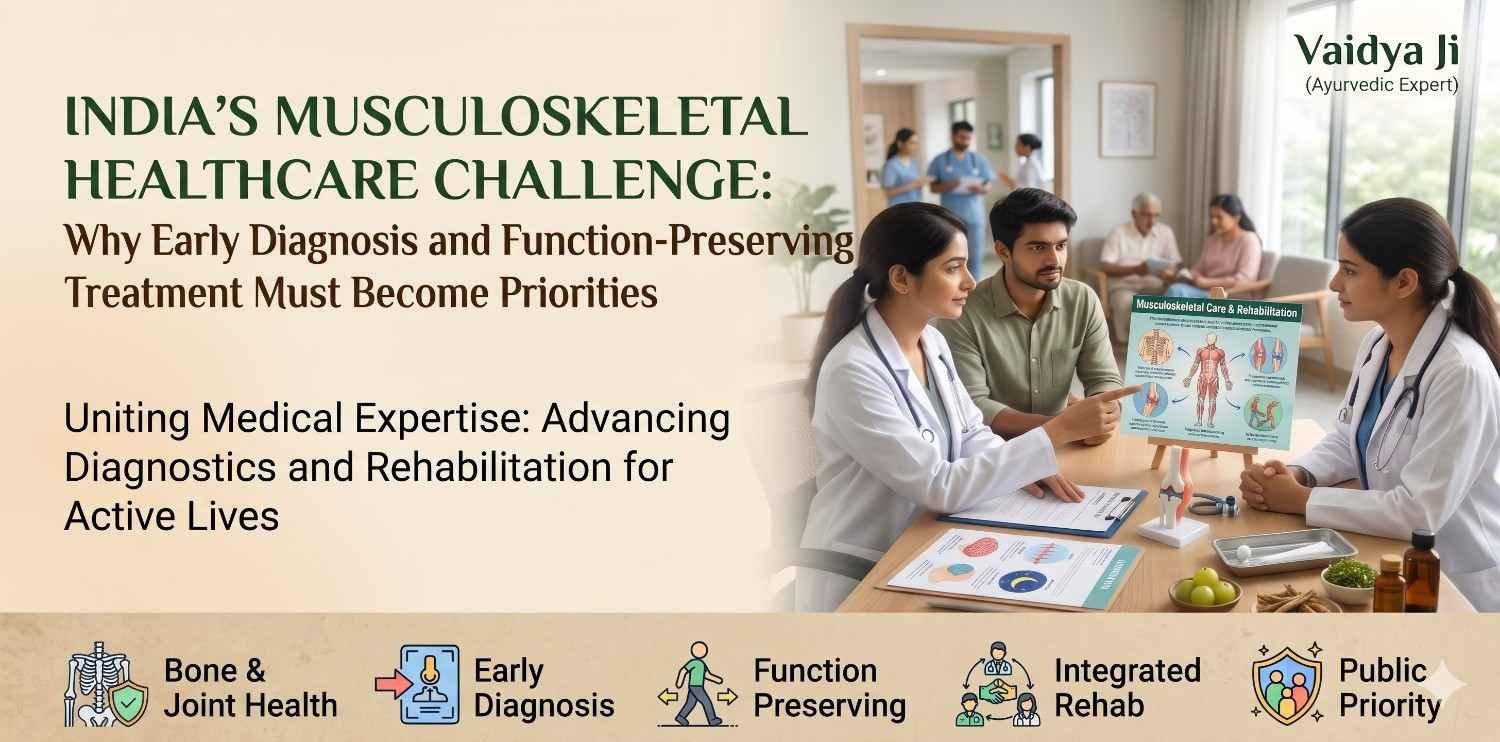
India’s orthopaedic healthcare landscape is changing as joint disorders, injuries and mobility-related conditions place increasing demands on healthcare services. Advances in minimally invasive procedures have expanded treatment options for ligament injuries, cartilage damage and joint instability. Clinical services provided by an Arthroscopic Surgeon in Dahisar illustrate the role of specialised joint assessment and surgical techniques. Yet the larger opportunity lies in ensuring that patients receive accurate diagnoses and appropriate treatment before mobility is permanently affected.
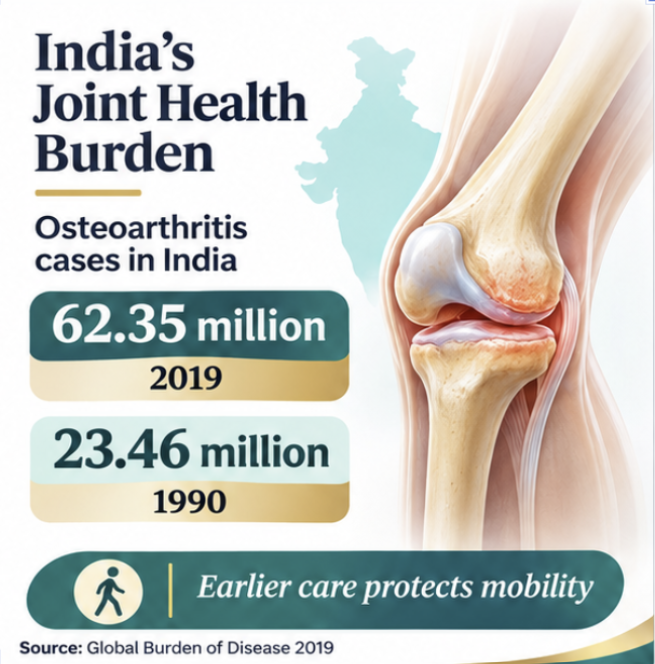
A Global Burden of Disease 2019 analysis estimated that approximately 62.35 million Indians were living with osteoarthritis, compared with 23.46 million in 1990. This substantial increase highlights the growing importance of musculoskeletal healthcare.
The challenge extends beyond degenerative joint conditions. India’s Ministry of Road Transport and Highways recorded 471,441 people injured in road accidents during 2024. Although not every reported injury was orthopaedic, the figure demonstrates the wider trauma burden facing healthcare services.
Alongside common injuries and joint disorders, bone and soft-tissue tumours require particular diagnostic attention. Persistent swelling, unexplained bone pain or an abnormal mass may occasionally indicate conditions requiring specialist investigation rather than routine injury management.
Services involving an Orthopedic Oncologist in Bangalore reflect the importance of specialised assessment for bone tumours, soft-tissue sarcomas and complex musculoskeletal lesions. India’s next healthcare priority should be building effective referral pathways that distinguish common orthopaedic conditions from potentially serious pathology.
1. India’s Musculoskeletal Disease Burden Is Increasing
Musculoskeletal disorders represent a substantial source of pain, functional limitation and disability.
The Global Burden of Disease analysis estimated that osteoarthritis cases in India increased by approximately 166% between 1990 and 2019.
Disability-adjusted life years attributable to osteoarthritis also increased from approximately 0.79 million to 2.12 million during this period.
Knee osteoarthritis accounted for the largest share of the country’s osteoarthritis burden, followed by hand osteoarthritis.
More recent Indian community research published in 2025 found musculoskeletal pain prevalence of 16.14% among surveyed participants. Rural prevalence was approximately 20%, compared with 10.3% in urban populations.
These findings came from a specific community research programme and should not be interpreted as nationally representative prevalence figures.
Nevertheless, they reinforce the need for preventive care, rehabilitation and early treatment of mobility-related conditions.
2. Arthroscopy Is Expanding Treatment Options, but Surgery Is Not Always Necessary
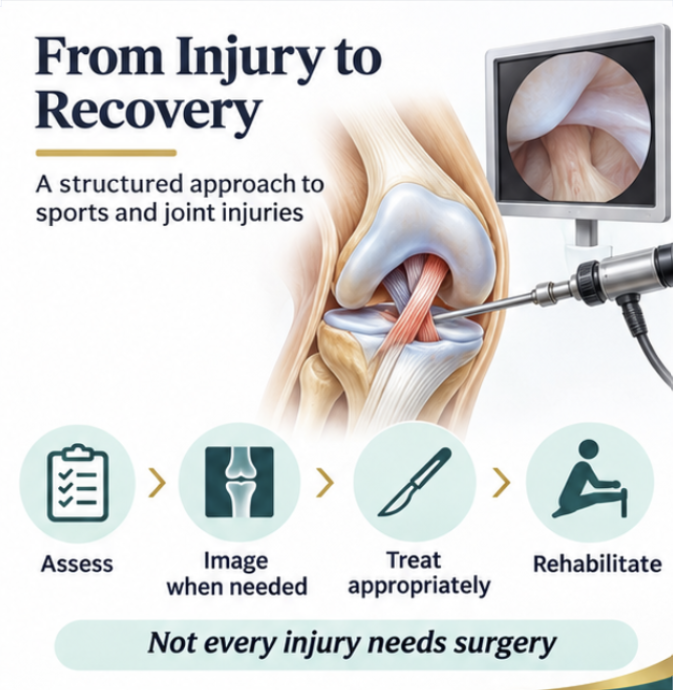
Arthroscopy has become an important technique for evaluating and treating selected joint conditions.
Using a camera and specialised instruments inserted through small incisions, surgeons can address certain ligament injuries, meniscus tears, shoulder instability and cartilage-related problems.
However, minimally invasive treatment should not automatically be considered the preferred approach for every patient.
Clinical decisions depend on the injury, symptom severity, examination findings, imaging results, and functional requirements.
Some patients benefit from structured rehabilitation, activity modification or non-surgical management before surgery is considered.
For selected injuries, arthroscopy may support joint stability and function, but outcomes also depend on postoperative rehabilitation and appropriate recovery timelines.
The central objective should remain restoring mobility and preventing unnecessary intervention.
3. Bone and Soft-Tissue Tumours Require a Different Diagnostic Pathway
Most musculoskeletal pain and swelling does not indicate cancer.
However, persistent or unexplained symptoms must not be dismissed without appropriate assessment.
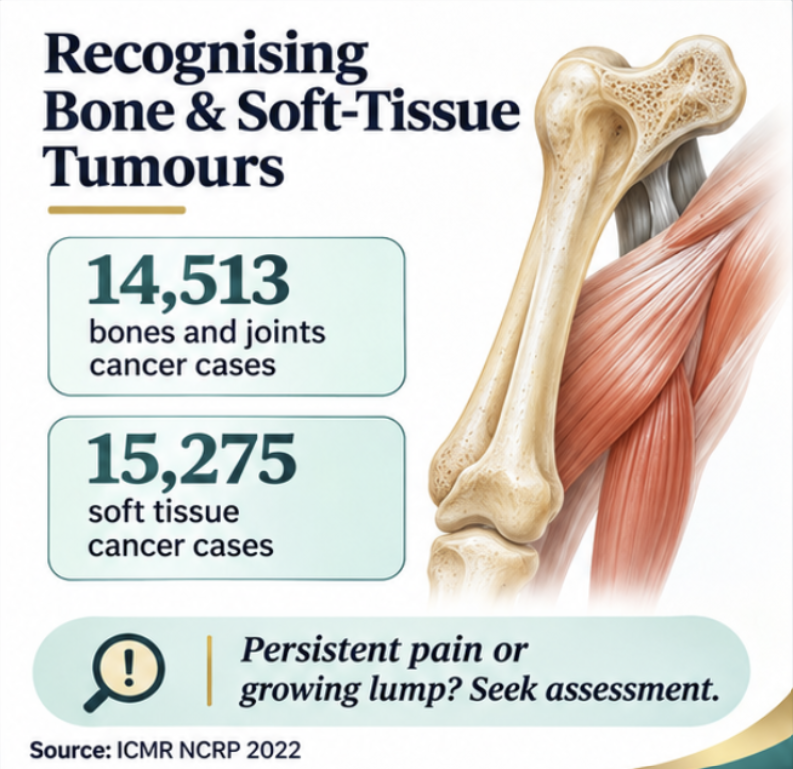
ICMR’s National Cancer Registry Programme estimated 14,513 new cancers of bones and joints and 15,275 soft-tissue cancers in India during 2022.
Together, these categories accounted for approximately 29,788 estimated new cases.
Although relatively uncommon compared with degenerative joint disorders, these cancers require specialised diagnostic and treatment planning.
Warning signs can include progressive swelling, a growing soft-tissue mass, persistent bone pain or unexplained fractures.
The National Cancer Grid’s guidelines emphasise the importance of appropriate imaging and planned biopsy for suspicious musculoskeletal lesions.
Importantly, biopsy should generally be coordinated by the specialist team responsible for definitive treatment.
An incorrectly planned procedure can complicate subsequent tumour removal and limb-preserving surgery.
4. Limb Preservation Is an Important Measure of Treatment Quality
Advances in musculoskeletal oncology have made limb-sparing treatment possible for selected patients with bone and soft-tissue cancers.
Depending on tumour characteristics, treatment may involve surgical resection, reconstruction, chemotherapy or radiotherapy.
However, preserving a limb must never compromise appropriate cancer control.
Treatment planning requires consideration of tumour location, stage, surrounding structures and expected functional outcomes.
Specialist teams may include orthopaedic oncologists, radiologists, pathologists, medical oncologists and rehabilitation professionals.
The National Cancer Grid recommends multidisciplinary decision-making for complex bone and soft-tissue tumours.
Where feasible, limb-salvage surgery can preserve mobility and independence, although reconstructive procedures may involve substantial rehabilitation.
The appropriate measure of success is therefore not limb preservation alone, but safe cancer treatment combined with meaningful function.
5. Early Referral and Rehabilitation Should Become System Priorities
India’s orthopaedic healthcare services must respond to two distinct challenges: common musculoskeletal disorders affecting large populations and less common diseases requiring highly specialised care.
Both benefit from timely assessment and coordinated treatment.
For degenerative conditions and injuries, early rehabilitation and appropriate intervention may reduce avoidable functional decline.
For suspicious bone or soft-tissue lesions, prompt specialist referral can support accurate diagnosis and avoid inappropriate procedures.
Digital imaging, minimally invasive techniques and reconstructive technology can improve clinical planning, but they cannot replace careful examination and professional judgement.
Rehabilitation must also remain central to care.
Recovery following ligament reconstruction, joint surgery or tumour resection requires structured support to restore strength, movement and everyday function.
Future progress should be assessed through patient mobility, treatment safety, timely referrals and long-term outcomes rather than procedure volumes alone.
Conclusion
India’s musculoskeletal healthcare burden extends from common joint disorders to complex bone and soft-tissue cancers.
While surgical technology continues to expand available treatment options, the evidence reinforces the importance of early diagnosis, appropriate referral and individualised management.
The next phase of healthcare development should connect routine orthopaedics, rehabilitation and specialist musculoskeletal oncology through clear clinical pathways.
India’s next orthopaedic healthcare milestone should be measured not only by how effectively conditions are treated, but by how successfully patients retain mobility, function and quality of life.