

Bringing home a newborn and discovering essential newborn baby care tips is one of life’s most profound and thrilling milestones. However, the early weeks can also feel overwhelming as you navigate the endless feeding schedules, diaper changes, and soothing techniques.
Whether you are figuring out how to take care of a baby boy, how to take care of a baby girl, or simply trying to master the basics for babies, having a structured roadmap makes all the difference. This comprehensive guide combines expert-backed baby care tips to help you care for your little one with confidence, joy, and ease.
Understanding the Basics for Babies: What Every New Parent Needs
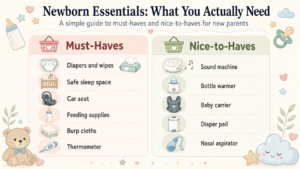
Applying essential newborn baby care tips, the core fundamentals for newborn care include frequent feeding (every 2 to 3 hours), proper hygiene and diapering, safe sleep practices on a firm surface, and maintaining a comfortable environment.
When preparing for your newborn, keeping things simple is the golden rule. Babies do not need complicated routines; instead, they thrive on predictability, warmth, and responsive care.
-
The Nursery Setup: Keep a firm crib or bassinet in your room for the first six months, free of loose blankets, pillows, or stuffed animals.
-
Clothing Choices: Dress your baby in breathable, soft cotton layers. As a general rule, dress them in one more layer than you are wearing to stay comfortable.
-
Handling with Care: Always support your newborn’s head and neck. Their neck muscles are weak, and gentle handling is vital to prevent injury. (Source: Apollo Cradle & Children’s Hospital)
Feeding Essentials and Nutrition
Feeding is the central pillar of your newborn’s early daily routine. By applying expert newborn baby care tips, whether you choose exclusive breastfeeding, formula feeding, or a combination of both, understanding your baby’s hunger cues is critical for healthy weight gain and development.
Recognizing Hunger Cues Early
Instead of waiting until your baby cries—which is a late sign of hunger—watch out for early cues:
-
Rooting (turning the head toward your hand and opening the mouth)
-
Sucking on hands, fingers, or clothing
-
Smacking lips or making sucking motions
-
Increased alertness or restlessness
Breastfeeding vs. Formula Feeding
-
Breastfeeding: Feed your baby on demand, which typically translates to every 2 to 3 hours around the clock. Ensure a deep, comfortable latch to protect against nipple soreness and ensure efficient milk transfer.
-
Formula Feeding: If you are formula feeding, follow pediatrician-recommended guidelines strictly. Always check the correct powder-to-water ratios, sterilize bottles properly, and never prop a bottle during feeding.
| Feeding Method | Recommended Frequency | Key Monitoring Metrics |
| Breastfeeding | Every 1–3 hours on demand | 6–8 heavy wet diapers daily, steady weight gain |
| Formula Feeding | Every 3–4 hours consistently | Contented sleep intervals, regular wet diapers |
Pro-tip: Always burp your baby mid-feed and after meals to release trapped air and reduce fussiness as part of your daily newborn baby care tips.
Daily Hygiene and Diaper Care
Maintaining your baby’s hygiene prevents infections and keeps their delicate skin soft and irritation-free.
Bathing and Skincare Basics
Newborns do not need daily baths, as this can dry out their sensitive skin. Giving them a bath 2 to 3 times a week using lukewarm water and a mild, fragrance-free cleanser is more than enough. Until the umbilical cord stump falls off naturally—usually within 1 to 3 weeks—stick strictly to gentle sponge baths. Keep the cord area clean and dry, exposing it to air whenever possible.
Specific Care: Boys vs. Girls
While core hygiene practices apply universally, parents frequently have questions about gender-specific care:
-
How to take care of a baby boy: During diaper changes, gently clean the area without forcefully retracting the foreskin if he is uncircumcised, as it separates naturally over time. Apply a mild zinc-oxide barrier cream if you notice redness to prevent diaper dermatitis.
-
How to take care of a baby girl: Always wipe from front to back during every diaper change to prevent bacteria from spreading to the urinary tract. Gently clean between the folds using a soft, damp cotton ball or fragrance-free wipe. Avoid using scented baby powders or harsh soaps.
Establishing Safe Sleep Habits and Soothing Techniques
Newborns sleep between 16 to 18 hours a day, but usually in unpredictable, short blocks of 2 to 4 hours due to their small stomachs and developing nervous systems.
-
Back to Sleep Always: Place your baby flat on their back for every single sleep period—both daytime naps and nighttime bedtimes—to minimize the risk of Sudden Infant Death Syndrome (SIDS).
-
Firm Mattress and Fitted Sheets: Use a certified firm mattress covered exclusively by a tight-fitting sheet. Never place plush toys, heavy quilts, or sleep positioners inside the crib.
-
Mastering the Swaddle: Swaddling can help soothe newborns by mimicking the snug environment of the womb. Always ensure the swaddle is loose around the hips to allow healthy leg movement and stop swaddling as soon as the baby shows signs of rolling over.
-
Creating a Calm Sleep Environment: Dim the lights in the evening, speak in soft whispers, and consider playing gentle white noise to help signal the natural transition from day to night.
Conclusion: Embracing Your Parenting Journey with Confidence
Navigating the early stages of parenthood can feel like a steep learning curve, but by mastering the basics for babies and understanding unique needs—such as how to take care of a baby boy or how to take care of a baby girl—you will quickly find your rhythm. Remember that every parent makes mistakes, and no one knows your child better than you do. By sticking to reliable newborn baby care tips, maintaining open communication with your pediatrician, and trusting your parental instincts, you are already giving your newborn the best possible start in life.

Medical Disclaimer
The information provided in this guide is for educational and informational purposes only and does not substitute for professional medical advice, diagnosis, or treatment. Always consult your pediatrician or healthcare provider with any questions you may have regarding a medical condition or your baby’s health and development.
Frequently Asked Questions
-
What are the most important baby care tips for the first month?
The top priorities when using essential newborn baby care tips are feeding on demand, practicing safe back-sleeping on a firm surface, keeping the umbilical cord stump clean and dry, and changing diapers frequently to prevent rashes. Trust your instincts, monitor wet diapers, and consult your pediatrician whenever you feel uncertain.
-
How often should I change my newborn’s diaper?
You should check and change your baby’s diaper every 2 to 3 hours, or immediately after every bowel movement. Frequent changes and using a protective barrier ointment are your best defenses against painful diaper rashes.
-
When should I call the pediatrician immediately?
Call your healthcare provider right away if your newborn has a rectal temperature of 100.4°F (38°C) or higher, shows unusual lethargy or difficulty waking up, refuses multiple consecutive feedings, has persistent vomiting, or experiences any breathing difficulties.