
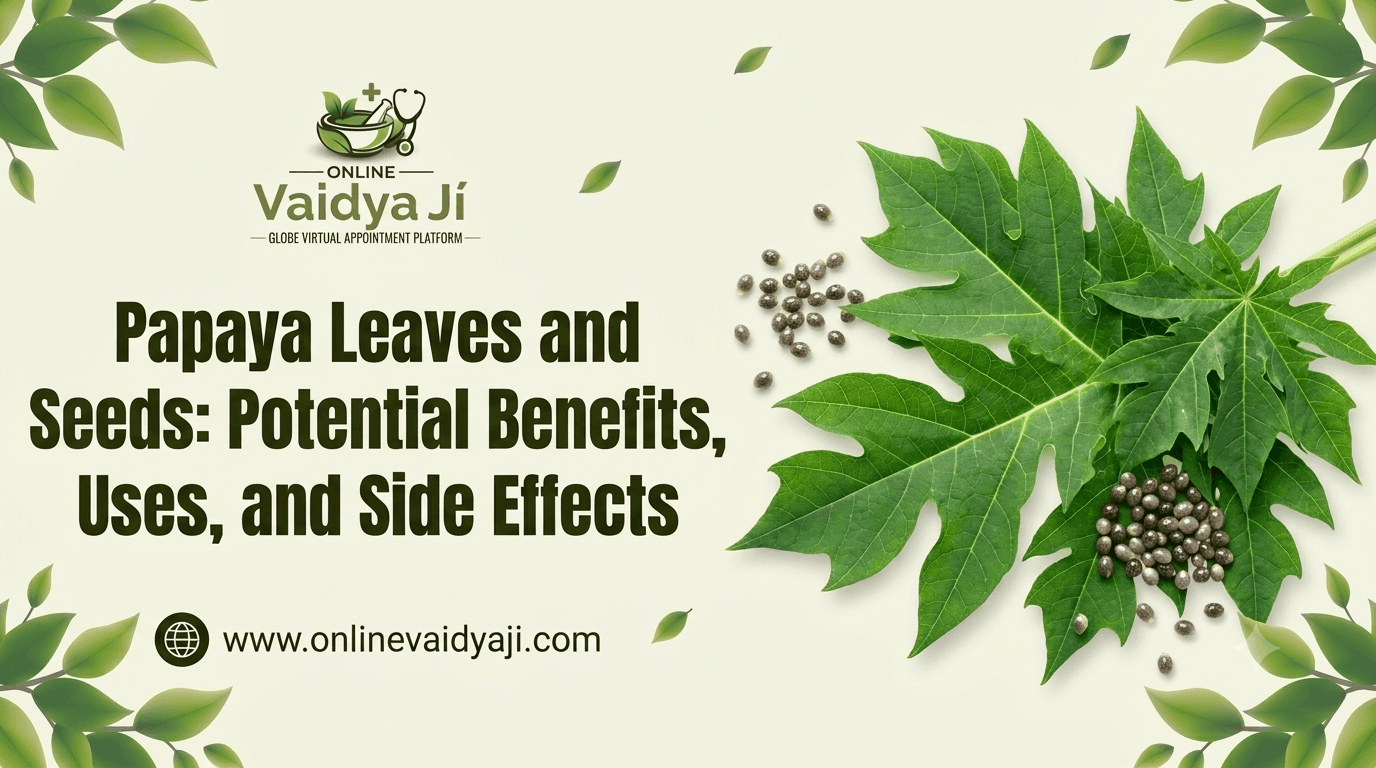
While the sweet, vibrant orange flesh of papaya is celebrated worldwide, the lesser-known parts of the plant—specifically the leaves and seeds—hold extraordinary medicinal and nutritional value. Understanding papaya leaves and seeds benefits can help individuals tap into natural remedies backed by traditional use and modern research. From managing seasonal illnesses to supporting metabolic health, exploring the full spectrum of papaya leaves and seeds benefits offers remarkable wellness potential when used mindfully.
Nutritional Profile: What Makes Papaya Leaves and Seeds So Powerful?
The papaya plant (Carica papaya) is a rich repository of essential vitamins, minerals, dietary fibers, and bioactive phytochemicals. Recognizing the unique papaya seeds benefits alongside leaf nutrition highlights why unlocking papaya leaves and seeds benefits is a staple in natural medicine:
- Papaya Leaves: Abundant in vitamins A, C, E, and K, alongside minerals like calcium, magnesium, iron, and potassium. They also contain powerful plant compounds such as carpaine, flavonoids, and papain.
- Papaya Seeds: Packed with healthy fatty acids, phenolic compounds, benzyl isothiocyanate, and digestive enzymes that contribute to detoxification and antimicrobial defense.
Together, these components create a synergistic blend of antioxidants and anti-inflammatory agents that support overall health and vitality.
Key Health Benefits of Papaya Leaves and Seeds
1. Papaya Leaves for Fever and Platelet Support
Papaya leaves for fever—particularly viral infections like dengue—are widely recognized in traditional and complementary medicine for their ability to support healthy blood platelet counts.
When individuals experience acute viral fevers, platelet counts can drop dangerously. Research indicates that bioactive compounds in leaf extracts stimulate bone marrow production of platelets. Examining key papaya leaf benefits reveals how consuming papaya leaf juice benefits patients by helping stabilize platelet levels and alleviating associated symptoms like body aches and fatigue. However, this should always serve as a supportive measure alongside professional medical supervision.
2. Digestion and Gut Health
Both papaya leaves and seeds contain active digestive enzymes like papain, which break down proteins, ease bloating, and promote regular bowel movements.
Digestive irregularities, constipation, and chronic bloating affect millions. Incorporating natural extracts or seed powders into a balanced diet can enhance nutrient absorption and soothe gastrointestinal inflammation. The high fiber content in the leaves further regulates bowel motility, supporting a healthy gut microbiome while maximizing daily papaya leaves and seeds benefits.
3. Immune System Support
The high concentration of vitamin C, flavonoids, and phenolic compounds in papaya leaves actively strengthens the immune system against viral and bacterial pathogens.
A robust immune system relies on adequate antioxidant intake to neutralize free radicals. The natural antimicrobial and immunomodulatory properties found in comprehensive papaya leaf benefits the body by enhancing white blood cell activity and promoting faster tissue regeneration, further amplifying overall papaya leaves and seeds benefits.
4. Blood Sugar Regulation and Metabolic Support
Regular consumption of papaya extracts helps maintain balanced blood sugar levels and supports healthy lipid profiles due to their rich dietary fiber and antioxidant content.
For individuals managing prediabetes or metabolic concerns, incorporating natural plant-based aids can be beneficial. Studies show that compounds in papaya leaves improve insulin sensitivity and reduce oxidative stress in liver and muscle tissues, contributing to long-term metabolic health and amplifying overall papaya leaves and seeds benefits.
5. Skin Health and Anti-Aging Properties
Rich in antioxidants and vitamins A and C, papaya extracts protect skin cells from oxidative damage, promote collagen production, and maintain clear skin.
Topical or dietary use helps combat premature aging, reduces blemishes, and accelerates wound healing. The natural enzymes gently exfoliate dead skin cells, leaving the skin radiant and well
well-hydrated while reinforcing the wide-ranging wellness scope of papaya leaves and seeds benefits.
Papaya Leaf vs. Papaya Seed: A Comparison
To better understand how these two parts differ in their usage, active compounds, and the unique papaya seeds benefits they offer, review the comparison table below:
| Feature | Papaya Leaf | Papaya Seed |
| Primary Taste / Form | Bitter; typically consumed as juice or extract | Spicy, peppery; consumed crushed or as powder |
| Key Therapeutic Uses | Platelet support during dengue, fever reduction, anti-inflammatory | Digestion enhancement, antiparasitic properties, fat metabolism |
| Active Compounds | Carpaine, papain, flavonoids, acetogenins | Benzyl isothiocyanate, carpaine, healthy fatty acids |
| Common Application | Juicing, herbal teas, capsule supplements | Salad seasoning, crushed seed paste, dried powder |
Potential Risks and Papaya Seed Side Effects
While natural remedies offer remarkable health advantages, excessive consumption can lead to adverse reactions. Being aware of potential papaya seed side effects ensures safe usage and prevents unwanted complications.
- Gastrointestinal Distress: Consuming excessive seeds can cause stomach irritation, nausea, or burning sensations due to their potent, spicy compounds.
- Fertility and Hormonal Impact: High amounts of papaya seed extracts may temporarily reduce sperm motility in men and exhibit antifertility effects.
- Pregnancy Precautions: Unripe papaya fruit, leaves, and seeds contain latex and active enzymes that can induce uterine contractions, making them unsafe during pregnancy.
- Allergic Reactions: Individuals allergic to latex or papain should exercise caution, as cross-reactivity can trigger skin rashes or respiratory discomfort.
Conclusion
Exploring papaya leaves and seeds benefits reveals a treasure trove of natural medicinal compounds that complement modern healthcare practices. From supporting immunity and digestion to assisting with platelet recovery during fevers, these botanical parts offer profound advantages. By understanding both the therapeutic uses and potential papaya seed side effects, individuals can safely harness these remedies while keeping moderation and professional guidance at the forefront.
Frequently Asked Questions (FAQs)
How much papaya leaf juice should be consumed daily?
A standard therapeutic dosage typically ranges from 15 ml to 30 ml of fresh leaf extract once or twice daily under medical guidance, especially when recovering from viral fevers.
Are there any risks of consuming raw papaya seeds?
Yes, eating raw papaya seeds in moderation is generally safe, but consuming them in large quantities can lead to digestive discomfort and potential hormonal or reproductive papaya seed side effects due to bioactive compounds like benzyl isothiocyanate.
Can pregnant or breastfeeding women consume papaya leaves or seeds?
Pregnant women should strictly avoid consuming papaya leaves, seeds, and unripe papayas because active enzymes and latex can stimulate uterine contractions and pose risks to the pregnancy.
How do papaya leaves help with dengue fever?
Papaya leaves contain unique phytochemicals that prevent platelet destruction, stimulate megakaryocyte production in the bone marrow, and exhibit antiviral properties that help manage dengue fever symptoms.