
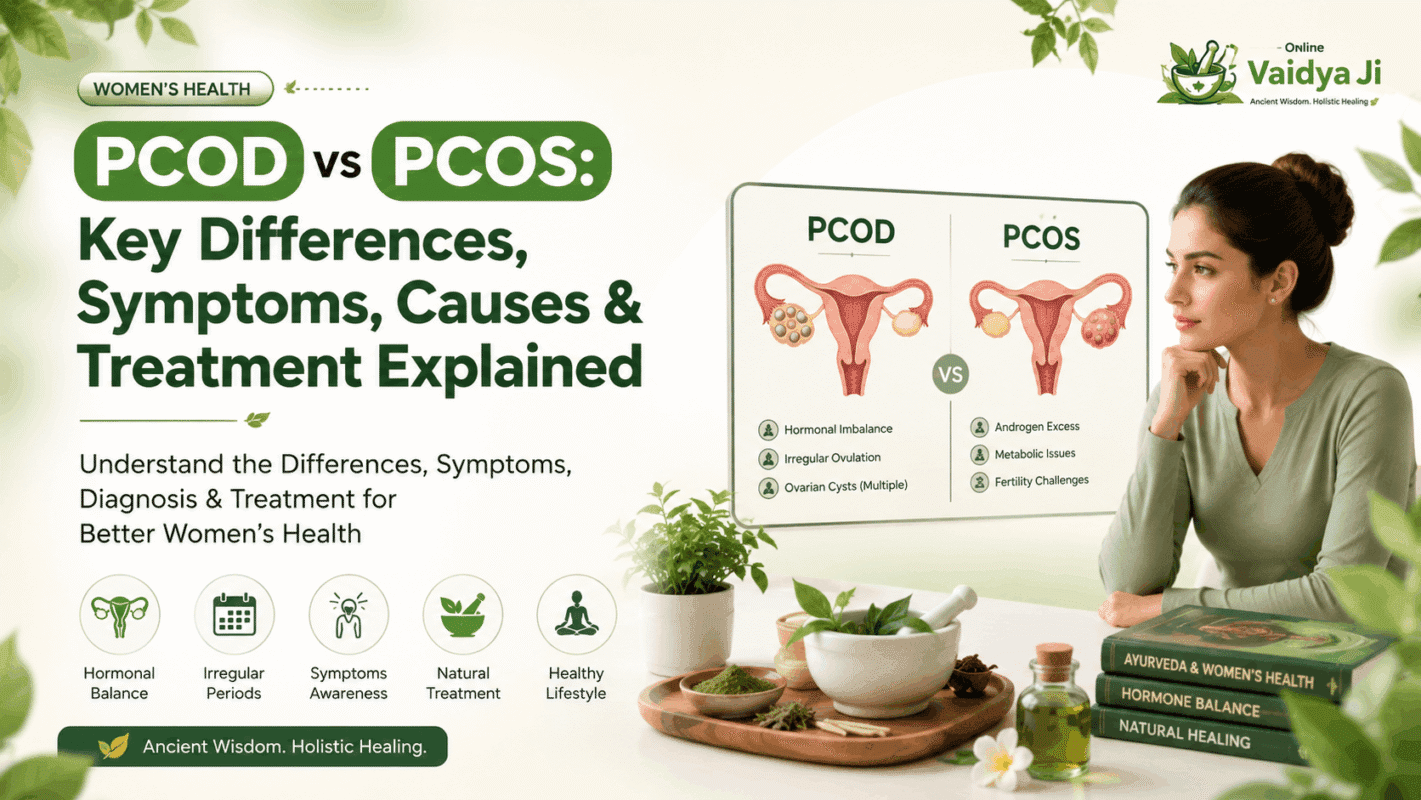
PCOD vs PCOS is one of the most common debates among women dealing with irregular periods, sudden weight shifts, or hormonal fluctuations. While both conditions affect the ovaries and reproductive system, PCOD (Polycystic Ovarian Disease) is a lifestyle-driven condition where ovaries produce partially mature eggs, whereas PCOS (Polycystic Ovary Syndrome) is a complex endocrine and metabolic disorder caused by severe androgen elevation.
Understanding the exact difference between PCOS and PCOD is essential because early detection enables targeted medical care, fertility planning, and long-term metabolic health management.
What is PCOD (Polycystic Ovarian Disease)?
PCOD (Polycystic Ovarian Disease) is a condition in which the ovaries contain many immature or partially egg-containing sacs (follicles). Due to poor lifestyle factors, high stress, or temporary hormonal imbalances, these eggs fail to mature fully and are not released regularly during ovulation.
Over time, these unreleased eggs develop into tiny fluid-filled structures inside the ovaries. PCOD is widely considered less severe than PCOS because it rarely halts ovulation completely and responds rapidly to dietary and daily routine corrections.
Key Highlights of PCOD:
-
High Prevalence: Affects nearly 10% to 15% of women in their reproductive years.
-
Mild Hormonal Shift: Involves temporary or mild fluctuations in reproductive hormones.
-
Preserved Fertility: Ovulation still occurs; most women with PCOD conceive naturally after adopting healthier lifestyle habits.
What is PCOS (Polycystic Ovary Syndrome)?
PCOS (Polycystic Ovary Syndrome) is an endocrine and metabolic disorder in which the ovaries produce abnormally high levels of male hormones called androgens. This systemic endocrine excess interrupts egg development, hardens the outer ovarian wall, and prevents regular monthly ovulation.
Unlike PCOD, PCOS is not limited to reproductive health. It affects the entire metabolic system, putting women at a higher long-term risk of developing insulin resistance, type 2 diabetes, high blood pressure, and cardiovascular disease if left untreated.
Key Highlights of PCOS:
-
Lower Prevalence, Higher Severity: Affects approximately 6% to 10% of women worldwide.
-
Systemic Impact: Linked strongly with metabolic syndrome, severe insulin resistance, and systemic inflammation.
-
Impact on Fertility: Anovulation (lack of egg release) makes PCOS a primary cause of female infertility requiring medical management.
Difference Between PCOS and PCOD:
The comparative breakdown below highlights the fundamental distinctions in PCOD vs PCOS:
| Feature | PCOD (Polycystic Ovarian Disease) | PCOS (Polycystic Ovary Syndrome) |
| Condition Type | Lifestyle-influenced ovarian condition | Endocrine and systemic metabolic disorder |
| Hormonal Severity | Mild elevation in LH/FSH ratios | Severe androgen (male hormone) elevation |
| Ovulation Pattern | Eggs are released, though cycles may be delayed | Ovulation is frequently absent or rare |
| Metabolic Risks | Minimal long-term metabolic complications | High risk of Diabetes, Hypertension, and Fatty Liver |
| Infertility Link | Low risk; conception usually occurs naturally | Higher risk; medical ovulation induction or IVF often needed |
| Primary Therapy | Nutrition, physical activity, and stress control | Targeted medical treatment plus structured diet and lifestyle control |
Symptoms of PCOD and PCOS: How to Spot the Signs
Recognizing the early symptoms of PCOD and PCOS allows women to seek medical guidance before hormonal disruptions escalate. While both conditions present with cycle irregularities, the intensity and nature of symptoms differ significantly.
Common Symptoms of PCOD Problem in Females
Women experiencing PCOD often notice milder, manageable signs such as:
-
Irregular or Delayed Periods: Cycles that range beyond 35 days or feature unusually light flow.
-
Mild Weight Gain: Abdominal weight accumulation that responds well to routine physical activity.
-
Hormonal Breakouts: Intermittent acne around the chin, jawline, and cheeks.
-
Scalp Thinning: Occasional hair shedding during high-stress periods.
-
Mood Fluctuations: Mild fatigue and mood swings associated with cycle shifts.
Read more blog : Ayurvedic Remedies for Irregular Periods
Distinct and Severe Symptoms of PCOS
PCOS presents with more pronounced physical signs driven by excess androgen activity:
-
Severe Hirsutism: Dark, thick hair growth on the face, chin, chest, upper abdomen, or back.
-
Cystic Acne: Persistent, painful acne breakouts along the lower face that resist topical skincare.
-
Acanthosis Nigricans: Darkened, velvety patches of skin around the neck folds, armpits, and groin area.
-
Male-Pattern Hair Loss: Marked hair thinning centered around the crown and hairline.
-
Infertility and Anovulation: Persistent inability to conceive due to absent egg release.
Root Causes of PCOD vs PCOS
Several genetic, environmental, and physiological factors contribute to the onset of PCOD vs PCOS:
-
Insulin Resistance: Excess insulin circulating in the bloodstream triggers the ovaries to manufacture higher androgen levels, disrupting normal follicle development.
-
Elevated Androgens: High androgen production hardens the outer layer of the ovaries, preventing mature eggs from breaking through during ovulation.
-
Chronic Low-Grade Inflammation: Women with PCOS frequently exhibit low-grade systemic inflammation, which further fuels androgen synthesis.
-
Genetic Predisposition: A family history of irregular cycles, metabolic syndrome, or type 2 diabetes increases the statistical likelihood of developing PCOS.
-
Lifestyle and High Stress: Poor sleep hygiene, high refined-sugar intake, and chronic mental stress exacerbate mild hormone imbalance into active PCOD.
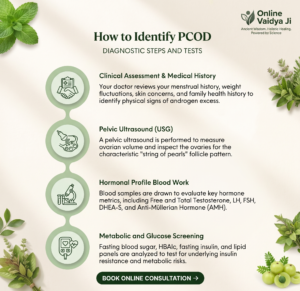
How to Identify PCOD: Diagnostic Steps and Tests
If you are unsure how to know PCOD or distinguish it from PCOS, consult a gynaecologist or endocrinologist. A formal diagnosis relies on a combination of clinical evaluations and diagnostic tests.
Here is how to identify PCOD and PCOS through a structured diagnostic process:
Effective Treatment Options for PCOD and PCOS
While neither condition has a single quick fix, structured treatment strategies allow women to manage symptoms effectively, restore natural cycle regularity, and achieve successful pregnancies.
1. Lifestyle & Dietary Adjustments
-
Low-Glycemic Index (GI) Eating: Focus on high-fiber vegetables, lean proteins, healthy fats, and complex whole grains to prevent insulin spikes. Reduce refined sugars and processed foods.
-
Targeted Exercise: Engage in at least 150 minutes of weekly moderate activity (resistance training, brisk walking, or yoga) to improve insulin sensitivity.
-
Weight Optimization: Losing just 5% to 10% of total body weight can restore regular ovulation cycles in women with both PCOD and PCOS.
2. Medical Therapies
-
Hormone Regulation: Combined oral contraceptives or progesterone therapy may be prescribed to regulate regular monthly withdrawal bleeding.
-
Insulin Sensitizers: Medications like Metformin help normalize insulin utilization, lower blood glucose, and reduce androgen production.
-
Ovulation Inducers: Medications such as Letrozole or Clomiphene Citrate are prescribed under medical supervision for women attempting to conceive.
This article is for general informational purposes only and does not substitute for professional medical advice. Please consult a qualified doctor or healthcare specialist according to your specific health condition.
Frequently Asked Questions (FAQs)
Can PCOD turn into PCOS over time?
PCOD does not directly transform into PCOS. However, if lifestyle factors like poor diet, high stress, and lack of exercise remain unaddressed, mild hormonal imbalances can worsen, leading to metabolic issues similar to PCOS.
Is natural pregnancy possible with PCOD or PCOS?
Yes, natural pregnancy is very achievable. Women with PCOD usually conceive naturally after making basic dietary and routine adjustments. Women with PCOS can also achieve successful pregnancies through lifestyle modifications combined with medical ovulation induction or assisted reproductive options like IVF.
How to know PCOD at home without tests?
While symptoms like irregular periods, mild acne, and unexplained weight shifts can be tracked at home, you cannot confirm a diagnosis without clinical tests. An ultrasound scan and hormone blood panels ordered by a qualified medical professional are required for confirmation.