
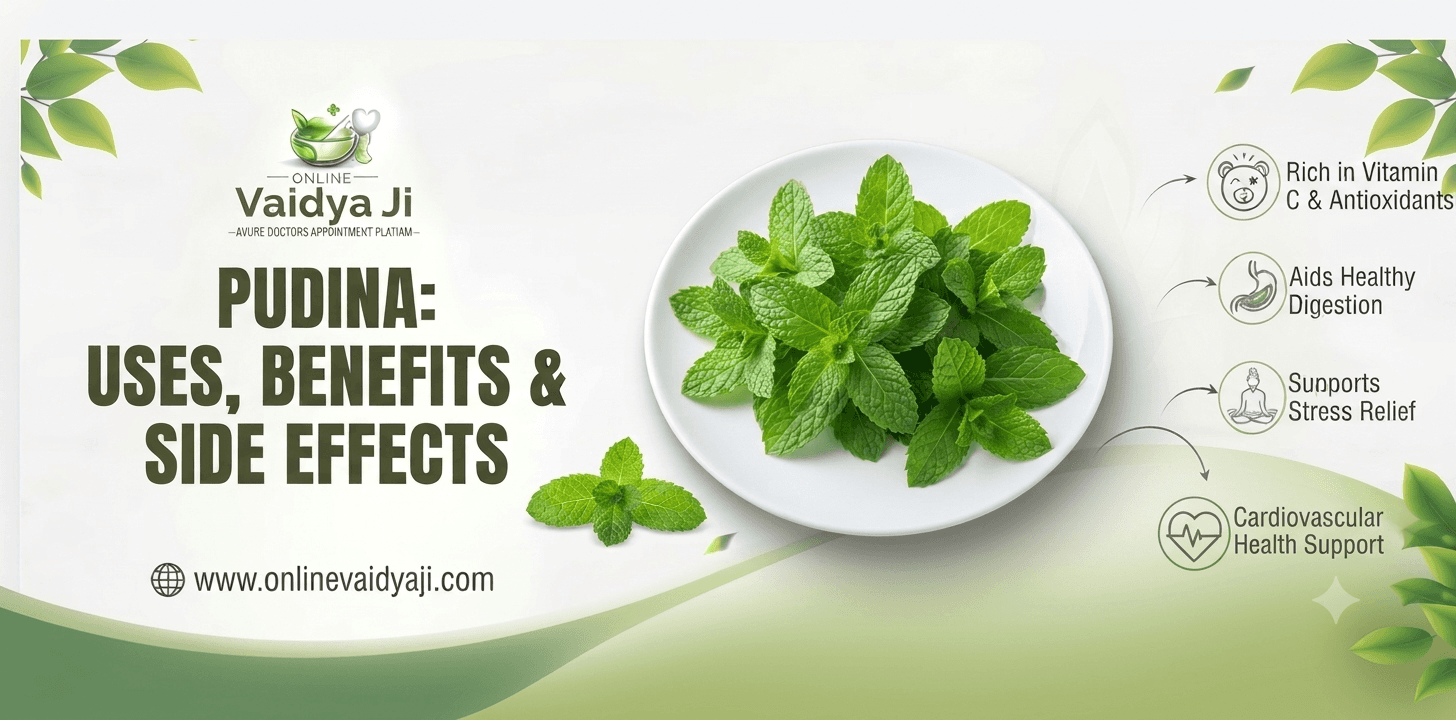
Pudina (mint), scientifically known as Mentha spicata, is a globally celebrated aromatic herb prized for its refreshing aroma, culinary versatility, and remarkable medicinal properties. Whether muddled into refreshing summer coolers, brewed into soothing herbal teas, or used in traditional home remedies, pudina pata benefits extend far beyond simple kitchen garnishes.
This comprehensive guide explores everything you need to know about the benefits of pudina leaves, practical uses of pudina leaves, the difference between mint and peppermint, and potential pudina side effects.
Nutritional Value of Pudina (per 100g)
Pudina is packed with essential macro and micronutrients that support daily vitality. Per 100 grams of fresh leaves, it provides:
- Water: 85.6 g
- Energy: 44 Kcal
- Protein: 3.29 g
- Carbohydrates: 8.41 g
- Dietary Fiber: 6.8 g
- Calcium: 199 mg
- Iron: 11.9 mg
- Potassium: 458 mg
- Magnesium: 63 mg
- Vitamin C: 13.3 mg
- Vitamin A: 203 µg
Potential Uses of Pudina Leaves
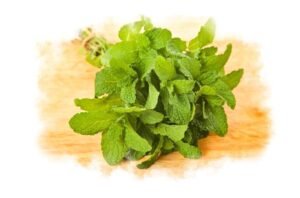
Pudina leaves are widely used to soothe digestive disorders like bloating, indigestion, and gas, while also serving as a popular flavoring agent in teas, beverages, chutneys, and culinary delicacies.
The therapeutic properties of mint have cemented its place in traditional and Ayurvedic medicine for centuries. Key uses of pudina leaves include:
- Digestive Support: Traditionally used to manage flatulence, dyspepsia, and nausea, pudina helps relax the digestive tract muscles and promotes smoother gut motility.
- Respiratory Relief: The natural menthol present in mint acts as a natural decongestant, helping clear nasal passages and ease minor respiratory discomforts.
- Oral Health: Chewing fresh pudina leaves can help freshen breath, reduce bacterial growth, and provide temporary relief from toothaches.
- Culinary Enhancements: From traditional mint chutneys and raitas to refreshing mocktails and salads, fresh and dried leaves add an unmistakable burst of flavor.
Read More Blog : Skin Cancer Symptoms: Early Signs, Causes, Risk Factors, Treatment & Prevention
Health Benefits of Pudina Leaves
The core benefits of pudina leaves include powerful antioxidant and antimicrobial properties, improved cognitive function and memory, blood sugar regulation support, and relief from chronic inflammation.
Incorporating mint into your regular diet unlocks several evidence-backed health advantages:
- Rich in Antioxidants: Pudina is loaded with polyphenols and antioxidant compounds that combat cellular damage caused by oxidative stress.
- Cognitive and Memory Enhancement: Aromatherapy and dietary extracts of mint have been associated with improved alertness, working memory, and reduced mental fatigue.
- Anti-Inflammatory Action: Animal studies indicate that mint essential oils can help mitigate inflammation and soothe minor aches and pains.
- Antimicrobial Defense: Natural constituents in mint inhibit the growth of certain harmful bacteria and fungi.
Difference Between Mint and Peppermint
Many people use the terms “mint” and “peppermint” interchangeably, but distinct botanical and chemical differences set them apart.
| Feature | Mint (Spearmint / Pudina) | Peppermint |
| Botanical Name | Mentha spicata | Mentha piperita (a natural hybrid of spearmint and watermint) |
| Menthol Content | Low to moderate menthol content (milder flavor) | High menthol concentration (sharp, cooling, intense flavor) |
| Primary Uses | Culinary dishes, teas, refreshing beverages, traditional remedies | Medicinal oils, aromatherapy, strong chewing gums, and balms |
| Flavor Profile | Sweet, subtle, and refreshing | Pungent, icy-cool, and sharp |
Side Effects of Pudina and Precautions
While moderate consumption in food is generally safe, excessive intake of concentrated extracts or teas can lead to pudina side effects such as heartburn, allergic reactions, or potential interactions with liver medications.
While enjoying fresh sprigs in your food is entirely safe, keep the following precautions in mind:
- Gastrointestinal Sensitivity: Ingesting large quantities of concentrated essential oils can trigger nausea, vomiting, or acid reflux in sensitive individuals.
- Pregnancy and Breastfeeding: High medicinal doses or concentrated teas should be avoided during pregnancy as they may stimulate uterine contractions.
- Kidney and Liver Concerns: Individuals with pre-existing hepatic or renal issues should avoid excessive herbal supplements, as high amounts may burden these organs.
- Drug Interactions: Mint can moderately interact with hepatotoxic drugs (medicines processed by the liver) and sedative medications by enhancing drowsiness. Always consult an Ayurvedic physician or healthcare professional before taking herbal supplements.
Conclusion
Pudina is far more than just a fresh garnish or kitchen staple—it is a powerful natural remedy packed with therapeutic properties. Incorporating **pudina pata benefits** into your daily routine can help improve digestion, alleviate bloating and acidity, boost cognitive focus, and supply your body with essential antioxidants[cite: 1, 3, 5].
Whether enjoyed through fresh chutneys, soothing herbal teas, or cooling beverages, mint leaves offer a convenient way to support overall wellness[cite: 1, 3]. However, moderation is key to avoiding potential minor side effects like heartburn[cite: 1]. If you are pregnant or managing pre-existing liver or kidney conditions, it is always recommended to consult an Ayurvedic physician or medical professional before using concentrated mint extracts[cite: 1].
Frequently Asked Questions (FAQs)
What are the main benefits of pudina leaves?
Pudina leaves help improve digestion, reduce bloating, provide antioxidant support, freshen breath, and promote cognitive alertness and memory retention.
Can I consume pudina daily?
Yes, consuming fresh pudina leaves in moderate amounts through daily foods, chutneys, or teas is generally safe and beneficial for most healthy individuals.
What is the main difference between mint and peppermint?
Mint (spearmint) has a milder, sweeter flavor with lower menthol levels, whereas peppermint is a hybrid variety with a much higher concentration of menthol, resulting in a sharp, icy-cooling sensation.
Are there any side effects of pudina when consumed in excess?
Excessive consumption or heavy intake of concentrated mint extracts can cause acid reflux, allergic skin irritation, or potential adverse effects during pregnancy and for individuals with liver sensitivities.