
Experiencing sharp, dull, or persistent Right-Sided Abdominal Pain: Causes, Warning Signs and Treatment Options can be alarming. Because your right abdomen houses several vital organs—including your liver, gallbladder, right kidney, and parts of your colon and small intestine—discomfort in this area requires careful attention. Whether you are dealing with a mild cramp or severe distress, understanding what your body is trying to tell you is the first step toward finding relief.
Understanding Right-Sided Abdominal Pain: Causes, Warning Signs and Treatment Options
When evaluating discomfort in your midsection, identifying where it hurts helps narrow down the potential triggers.
-
Upper Right Abdominal Pain: Issues relating to the liver, gallbladder, or bile ducts often manifest here. Conditions like gallstones or hepatitis can cause sharp or aching sensations.
-
Lower Right Abdominal Pain: This region frequently points toward the appendix or the beginning of the large intestine. Appendicitis requires immediate medical evaluation.
Common Causes of Right Side Abdominal Pain
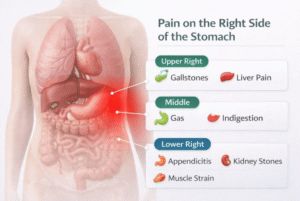
To properly address discomfort, it helps to look at the specific causes of right side abdominal pain. Because many internal organs share neural pathways, pain can sometimes feel generalized or sharp in unexpected ways.
Key Warning Signs to Watch ForWhile mild muscle strains or gas can cause temporary discomfort, certain red flags mean you should seek medical attention right away:
-
Sudden, severe, or worsening intensity
-
Pain accompanied by a high fever, chills, or persistent vomiting
-
Yellowing of the skin or eyes (jaundice)
-
Inability to keep liquids down or blood in your stool
1. Digestive and Gastrointestinal Issues
- Gas and Indigestion: Trapped gas or mild acid reflux can create sharp, fleeting cramps anywhere in the abdomen.
- Constipation: A buildup of stool in the ascending colon on the right side can cause dull, persistent cramping and bloating.
- Irritable Bowel Syndrome (IBS): Chronic functional bowel disorders often trigger cramping, bloating, and alternating bouts of diarrhea and constipation on either side of the abdomen.
2. Organ-Specific Conditions
- Gallstones: Hardened deposits of digestive fluid that can form in your gallbladder, causing sudden, intense upper right abdominal pain that may radiate to your back or right shoulder.
- Appendicitis: Inflammation of the appendix causes sudden pain that typically begins near the navel and shifts to the lower right abdomen, worsening over 24 hours.
- Kidney Stones or Infections: Stones passing through the right ureter or a localized bacterial infection can cause sharp, radiating flank and lower abdominal pain.
Special Considerations: Abdominal Pain in Females
Women face unique anatomical considerations that introduce additional diagnostic possibilities. When evaluating abdominal pain right side female cases, physicians must account for the reproductive organs located in the pelvic cavity, such as the right ovary and fallopian tube.
Gynecological Triggers
- Ovarian Cysts: A fluid-filled sac on the right ovary can rupture or grow large enough to cause dull or sharp pelvic and lower stomach pain in right side female patients.
- Endometriosis: Tissue similar to the lining of the uterus grows outside the uterus, leading to chronic pelvic pain, painful periods, and localized right-sided discomfort.
- Ectopic Pregnancy: A medical emergency where a fertilized egg implants outside the main cavity of the uterus, often causing severe one-sided lower abdominal pain and spotting.
| Condition | Typical Location | Common Associated Symptoms | When to Seek Emergency Care |
| Appendicitis | Lower Right | Nausea, low-grade fever, loss of appetite | Immediate (Risk of rupture) |
| Gallstones (Biliary Colic) | Upper Right | Pain radiating to the shoulder, nausea, vomiting | If accompanied by jaundice or high fever |
| Ovarian Cyst | Lower Right Pelvis | Bloating, irregular periods, sharp pelvic twinges | If severe, sudden, and accompanied by dizziness |
| Kidney Stone | Flank / Right Abdomen | Painful urination, blood in urine, severe cramping | If pain is unbearable or causes vomiting |
Safe At-Home Remedies and Management
Mild, non-emergency remedy for right side stomach pain includes staying hydrated, applying a warm compress, resting, and eating bland foods like rice, bananas, or toast until digestion settles.
If your doctor has ruled out serious medical emergencies, you can manage mild discomfort at home using gentle, supportive care strategies.
- Hydration: Sip on water, clear broths, or electrolyte solutions to prevent dehydration, especially if the pain is accompanied by digestive upset.
- Warm Compress: Placing a heating pad on your abdomen for 15 to 20 minutes can help relax cramping muscles and ease mild spasms.
- Bland Diet: Follow the BRAT diet (bananas, rice, applesauce, toast) to give your gastrointestinal tract a break if gas or mild indigestion is the root cause.
- Gentle Movement: Short, slow walks can sometimes help release trapped gas and stimulate sluggish digestion.
Warning Signs: When to See a Doctor Immediately
While many instances of abdominal pain resolve on their own, certain red-flag symptoms require immediate emergency medical attention. Do not attempt to treat severe, acute pain with home remedies.
- Sudden, Unbearable Intensity: Pain that comes on abruptly and grows rapidly worse.
- Fever and Chills: Signs of a potential infection, such as appendicitis, pelvic inflammatory disease, or a kidney infection.
- Persistent Vomiting or Inability to Keep Fluids Down: May indicate a bowel obstruction or severe inflammation.
- Rigid, Hard Abdomen: A sign of peritonitis, which occurs when the inner lining of the abdominal wall becomes inflamed.
- Yellowing of Skin or Eyes (Jaundice): Strongly points toward liver or gallbladder dysfunction.
Conclusion
Navigating the complexities of abdominal pain requires a balanced approach of listening to your body and seeking professional medical guidance when necessary. Whether your discomfort stems from everyday issues like gas and indigestion or requires closer monitoring for specific conditions, paying attention to the exact location and accompanying symptoms is vital. By understanding potential triggers—from general gastrointestinal shifts to unique considerations for women—you can take proactive steps toward your health. Always prioritize safety, consult a healthcare professional for an accurate diagnosis, and never ignore persistent red-flag symptoms when managing abdominal pain. What specific symptoms or duration have you been experiencing, and have you noticed any patterns with your meals or daily activities?
Disclaimer: This article is for informational purposes only and does not constitute medical advice. Always consult a qualified healthcare professional or physician for an accurate diagnosis and treatment plan regarding any medical condition.
Frequently Asked Questions
Can stress cause right side abdominal pain?
Yes, high levels of stress and anxiety can significantly impact your gastrointestinal tract through the gut-brain axis, leading to tension, cramping, gas, and spasms in various parts of the abdomen, including the right side.
How do I know if my right-side pain is muscular or organ-related?
Muscular pain usually worsens when you twist, bend, or press directly on the affected abdominal wall muscle. Organ-related pain tends to be deep, persistent, and may be accompanied by systemic symptoms like fever, nausea, or digestive changes.
When should I go to the ER for stomach pain?
You should go to the emergency room immediately if your pain is severe, sudden, worsens progressively, or is accompanied by difficulty breathing, a high fever, bloody stools, or fainting.