
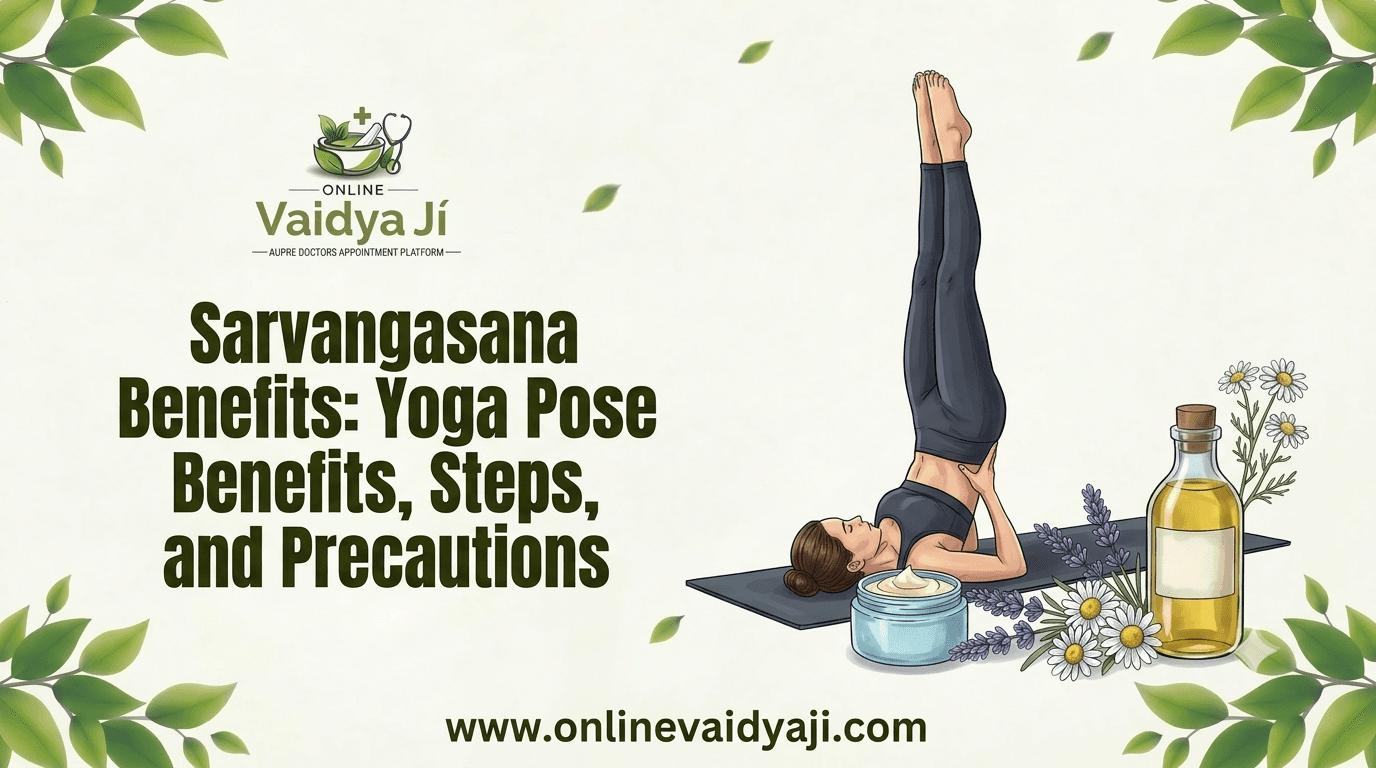
Often celebrated as the “Queen of Asanas,” Sarvangasana (commonly known as the shoulder stand) is a powerful inversion posture in Hatha yoga. The word is derived from Sanskrit, where sarva means “all,” anga means “body limb,” and asana means “pose.” When practiced correctly, this posture exerts a rejuvenating influence on all parts of the body, making it a cornerstone for holistic health, longevity, and metabolic vitality. Sarvangasana (Shoulder Stand) alignment. Source: Marta Shershen / Getty Images
What is Sarvangasana?
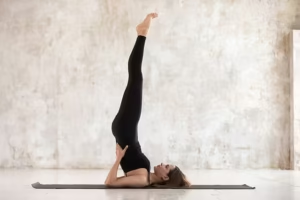
Sarvangasana is an inverted yoga posture where the entire body is supported on the shoulders, upper arms, and neck, while the torso and legs extend vertically toward the ceiling.
Unlike seated or standing postures that fight gravity downwards, this inversion reverses gravitational pull. This shift redirects blood flow toward the brain and upper body, stimulates major endocrine glands located in the neck, and relieves chronic pressure on the lower extremities.
Key Health Benefits of Sarvangasana
Practicing this inversion regularly yields a wide array of physical and mental advantages. Understanding the core sarvangasana benefits can help you tailor your daily wellness routine for maximum therapeutic impact.
1. Enhances Thyroid and Endocrine Function
The chin lock (Jalandhara Bandha) created during the posture places direct, gentle pressure on the thyroid and parathyroid glands. This stimulation regulates metabolic rate, energy production, body weight, and hormonal equilibrium, making it exceptionally beneficial for individuals managing sluggish metabolism or thyroid imbalances.
2. Improves Blood Circulation and Cardiovascular Health
By inverting the lower body, venous blood from the legs and abdominal region flows effortlessly back toward the heart against gravity. This reduces strain on the lower veins, helps prevent varicose veins, and nourishes the brain with freshly oxygenated blood, sharpening cognitive focus and mental clarity.
3. Strengthens Upper Body and Core Muscles
Holding the body upright requires isometric engagement across multiple muscle groups. The shoulders, arms, upper back, and deep transverse abdominis core muscles work in unison to maintain structural alignment, leading to better overall muscular endurance and upper-body toning.
4. Boosts Digestive Efficiency
Reversing gravity relieves sluggishness in the abdominal organs. It stimulates peristalsis, helps alleviate mild constipation, and encourages better nutrient absorption by easing stagnation in the lower gastrointestinal tract.
Shoulder Stand Benefits vs. Other Inversions: A Comparison
To appreciate why practitioners favor this specific inversion, let us look at how key shoulder stand benefits compare against other popular inverted yoga poses.
| Feature / Metric | Sarvangasana (Shoulder Stand) | Sirsasana (Headstand) | Viparita Karani (Legs Up the Wall) |
| Skill & Experience Level | Intermediate | Advanced | Beginner-friendly (Passive) |
| Primary Glandular Focus | Thyroid & Parathyroid | Pituitary & Pineal | Circulatory & Nervous System |
| Cervical Spine Pressure | Moderate (supported by upper back) | High (direct crown weight) | Minimal to None |
| Core Strength Required | Moderate to High | High | Minimal |
How to Do Sarvangasana: Step-by-Step Guide
Mastering how to do sarvangasana safely requires patience, mindfulness, and proper alignment. Follow these sequential instructions to perform the posture correctly.
Lie Down on Your Back
Use a firm yoga mat for neck and shoulder comfort
1.Lie Down on Your Back:Use a firm yoga mat for neck and shoulder comfort.
Lie flat on your back in Supine position (Savasana) with your legs together and arms resting comfortably alongside your torso, palms facing downward.
Lift Your Legs and Hips
Engage your core to protect your lower back
2.Lift Your Legs and Hips:Engage your core to protect your lower back.
Inhale deeply, engage your abdominal muscles, and press your palms into the floor. In one smooth motion, lift your legs to a 90-degree angle, then elevate your hips and lower back off the mat.
Support Your Back with Your Hands
Keep your elbows tucked inward
3.Support Your Back with Your Hands:Keep your elbows tucked inward.
Bend your elbows and place your palms firmly against your mid-back, supporting your torso. Walk your elbows slightly closer together to narrow your base of support.
Extend Vertically and Hold
Breathe steadily through your nose
4.Extend Vertically and Hold:Breathe steadily through your nose.
Straighten your torso and legs so that your feet, hips, and shoulders form a straight vertical line. Rest your weight primarily on your shoulders and upper arms—never directly on your cervical spine. Hold the pose for 30 to 60 seconds with steady, deep breathing.
Precautions and Contraindications
While the advantages are remarkable, certain health conditions require avoiding or modifying the practice.
- Neck or Cervical Injuries: Individuals with severe spondylosis, herniated discs, or chronic neck pain should skip this pose to avoid undue stress on vertebrae.
- High Blood Pressure and Heart Conditions: Inversions cause a significant shift in blood volume toward the upper body, which can dangerously elevate intracranial and blood pressure.
- Menstruation and Pregnancy: It is generally advised for women to avoid intense inversions during heavy menstrual days and advanced stages of pregnancy.
- Glaucoma: Increased pressure in the upper body can aggravate elevated eye pressure.

Conclusion
Incorporating sarvangasana benefits into your daily wellness regimen offers a transformative approach to achieving metabolic balance, enhanced circulation, and upper-body strength. By mastering how to do sarvangasana with correct alignment and mindful breathing, you unlock the therapeutic potential of this classic sarvangasana yoga pose. Whether you are looking to boost thyroid function, calm your nervous system, or improve posture, the regular practice of this shoulder stand serves as a timeless gateway to vibrant physical and mental vitality.
Frequently Asked Questions
Can beginners practice Sarvangasana?
Yes, beginners can practice sarvangasana yoga pose variations, such as supporting the lower back with a folded blanket or practicing with legs resting against a wall (Viparita Karani), before attempting the full unassisted shoulder stand.
How long should I hold the shoulder stand?
Beginners should start by holding the pose for 15 to 30 seconds, gradually working up to 1 to 2 minutes as core strength and neck stability improve. Always release slowly and rest in Savasana afterward.
Does Sarvangasana help with weight loss?
By actively stimulating the thyroid gland, this posture helps optimize basal metabolic rate and hormone regulation, which indirectly supports healthy weight management when combined with a balanced diet and active lifestyle.
When is the best time to practice Sarvangasana?
The ideal time is early morning on an empty stomach. If practicing in the evening, ensure there is a gap of at least 3 to 4 hours after your last heavy meal.