
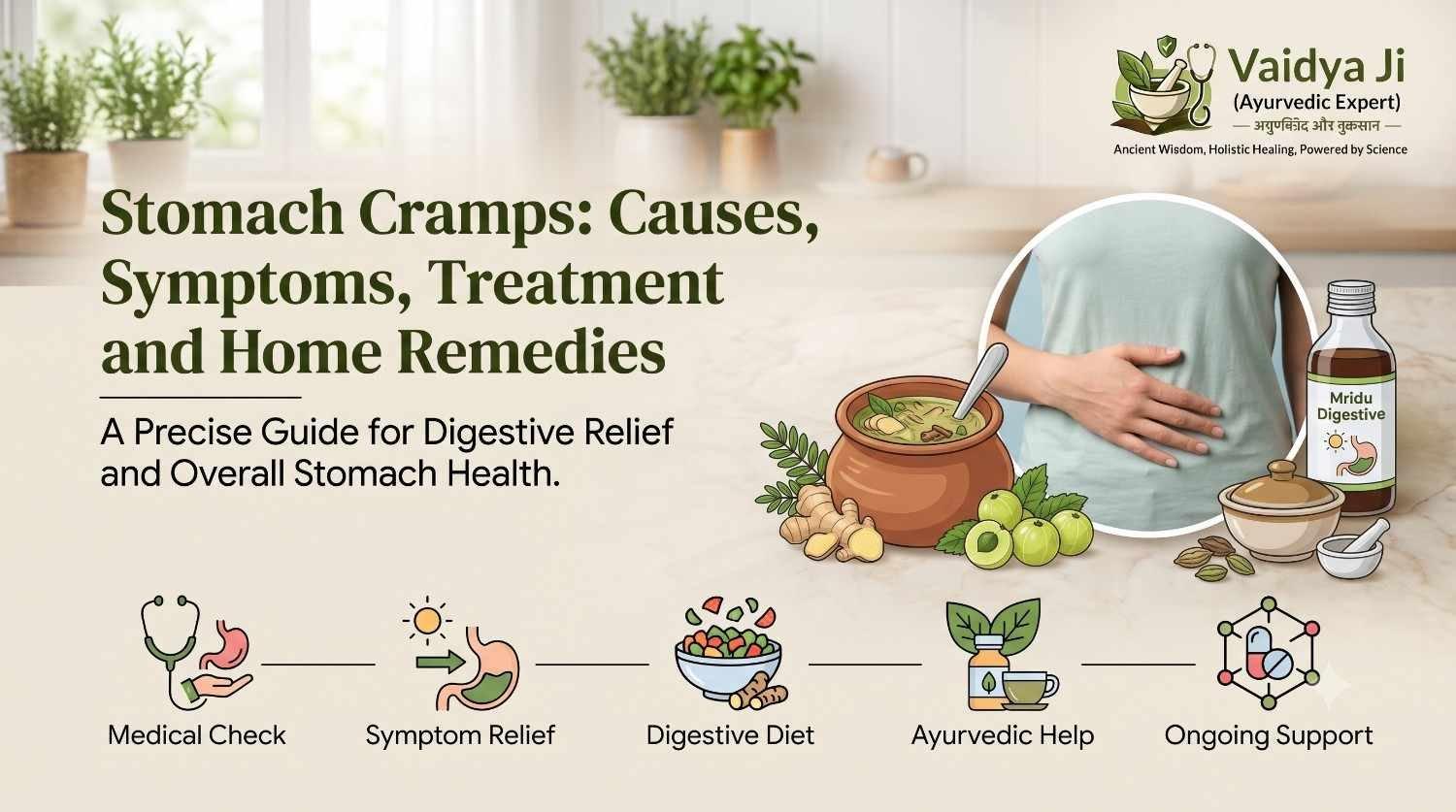
Stomach cramps are a common discomfort originating between the chest and pelvic region. While most stomach cramps are harmless and resolve on their own, understanding the underlying stomach pain causes is crucial for knowing when to seek professional medical attention.
Introduction to Stomach Cramps
Stomach cramps affect almost everyone at some point in life. Whether it is a mild, dull ache or severe stomach cramps that double you over, abdominal discomfort can stem from a wide variety of sources. Because the abdomen houses vital organs—including the stomach, liver, pancreas, intestines, kidneys, and reproductive organs—pinpointing the exact trigger can be challenging.
As an expert-backed guide aligned with modern health search standards, this article breaks down why your stomach hurts, what various symptoms mean, and how you can find relief safely at home or through medical care.
Understanding the Primary Reasons for Abdominal Cramps
The most frequent reasons for abdominal cramps range from simple gas buildup, indigestion, and viral gastroenteritis (stomach flu) to more complex conditions like irritable bowel syndrome (IBS), food intolerances, and urinary tract infections.
When evaluating stomach ache causes, healthcare providers typically categorize them based on location, severity, and associated symptoms. Let’s look at the most common culprits:
-
Digestive Issues: Gas, bloating, constipation, and acid reflux are everyday triggers that stretch or irritate the lining of the digestive tract.
-
Infections (“Stomach Flu”): Noroviruses or bacterial infections inflame the stomach and intestines, causing acute cramping alongside nausea, vomiting, and diarrhea.
-
Food Poisoning or Allergies: Eating contaminated food or reacting poorly to specific ingredients (like lactose or gluten) often leads to sharp, sudden cramps.
-
Stress and Anxiety: The gut-brain connection is powerful; emotional stress can physically alter gut motility, triggering painful spasms.
Specific Causes in Women
For women, what causes stomach cramps in a woman frequently extends beyond the gastrointestinal tract to include gynecological and reproductive factors such as menstrual cramps (dysmenorrhea), ovulation pain (mittelschmerz), endometriosis, ovarian cysts, or early pregnancy.
Because the lower abdomen shares space with reproductive organs, women often experience specialized types of discomfort. Understanding these distinctions helps separate a routine digestive issue from a gynecological concern:
-
Menstrual Cramps: Hormones called prostaglandins cause the uterus to contract during menstruation, leading to lower abdominal aching.
-
Endometriosis: A chronic condition where tissue similar to the lining of the uterus grows outside it, resulting in severe pelvic and abdominal pain.
-
Ovarian Cysts: Fluid-filled sacs on the ovaries can cause sudden, sharp, or dull aching on one side of the lower abdomen.
-
Pregnancy-Related Aches: Implantation cramps or stretching round ligaments can mimic standard stomach aches during early gestation.
Recognizing Severe Stomach Cramps and When to See a Doctor
If your stomach pain causes are accompanied by high fever, inability to keep fluids down, yellowing of the skin (jaundice), or blood in your stool or vomit, visit an emergency room immediately. These are red flags for serious conditions like appendicitis, bowel obstruction, or severe internal inflammation.
Effective Stomach Cramps Treatment Options
Standard stomach cramps treatment depends heavily on the root cause, but typically involves a combination of dietary adjustments, hydration, over-the-counter medications like antacids or anti-gas agents, and targeted rest.
Once you have ruled out a medical emergency, you can manage routine discomfort with proven strategies:
-
Medications: Over-the-counter options such as simethicone for gas, bismuth subsalicylate for upset stomachs, or mild antacids can neutralize acid and relieve pressure. Always consult a doctor before taking NSAIDs (like ibuprofen), as they can sometimes irritate the stomach lining further.
-
Hydration Therapy: Sip clear fluids, electrolyte solutions, or diluted broths to prevent dehydration, especially if the cramps are accompanied by diarrhea or vomiting.
-
Targeted Elimination: If you notice cramps occurring after dairy or gluten consumption, temporary elimination diets can help diagnose sensitivities.
Natural Home Remedies for Quick Relief
If you want to soothe discomfort naturally before turning to medication, try these time-tested home remedies:
-
Heat Therapy: Apply a heating pad or a warm water bottle to your abdomen. Heat relaxes tense muscles and increases blood flow to the cramping area.
-
Herbal Teas: Peppermint tea and ginger tea are well-known natural antispasmodics that help calm the digestive tract and expel trapped gas.
-
The BRAT Diet: If your stomach is sensitive, stick to bland foods like bananas, rice, applesauce, and toast to give your digestive system a break.
-
Gentle Movement: Short, slow walks can stimulate peristalsis and help release trapped intestinal gas naturally.
Conclusion
To wrap up, dealing with stomach cramps can be uncomfortable and disruptive, but identifying the underlying triggers is the first step toward finding relief. Whether your discomfort stems from everyday digestive upset, stress, or specialized reasons for abdominal cramps unique to women, listening to your body is essential. While most routine episodes improve with rest, hydration, and effective stomach cramps treatment like heating pads or herbal teas, never ignore severe stomach cramps or persistent warning signs. By understanding your specific stomach pain causes and knowing when to consult a healthcare professional, you can protect your digestive health and maintain your overall well-being.
Disclaimer: This article is for informational purposes only and does not substitute for professional medical advice, diagnosis, or treatment. Always consult a qualified healthcare provider for persistent or severe abdominal pain.
Frequently Asked Questions (FAQs)
What is the fastest way to relieve stomach cramps?
Applying a heating pad to your abdomen and sipping warm peppermint or ginger tea are two of the quickest ways to relax gut muscles and relieve cramping. For gas-related cramps, over-the-counter anti-gas medications work rapidly.
How do I know if my stomach cramps are serious?
Cramps are serious if they are sudden, sharp, and worsening, or if they are accompanied by red-flag symptoms such as a high fever, bloody stool, persistent vomiting, or a rigid, hard abdomen.
Can anxiety and stress cause physical stomach cramps?
Yes. The gut contains millions of neurons (the enteric nervous system) that communicate constantly with your brain. High stress or anxiety can alter gut motility, leading to physical spasms, pain, and digestive distress.
When should a woman worry about lower abdominal cramps?
A woman should consult a gynecologist if her cramps are consistently severe, interfere with daily activities, worsen significantly over time, or occur alongside abnormal bleeding or pain during intercourse.
Disclaimer: This article is for informational purposes only and does not substitute for professional medical advice, diagnosis, or treatment. Always consult a qualified healthcare provider for persistent or severe abdominal pain.