
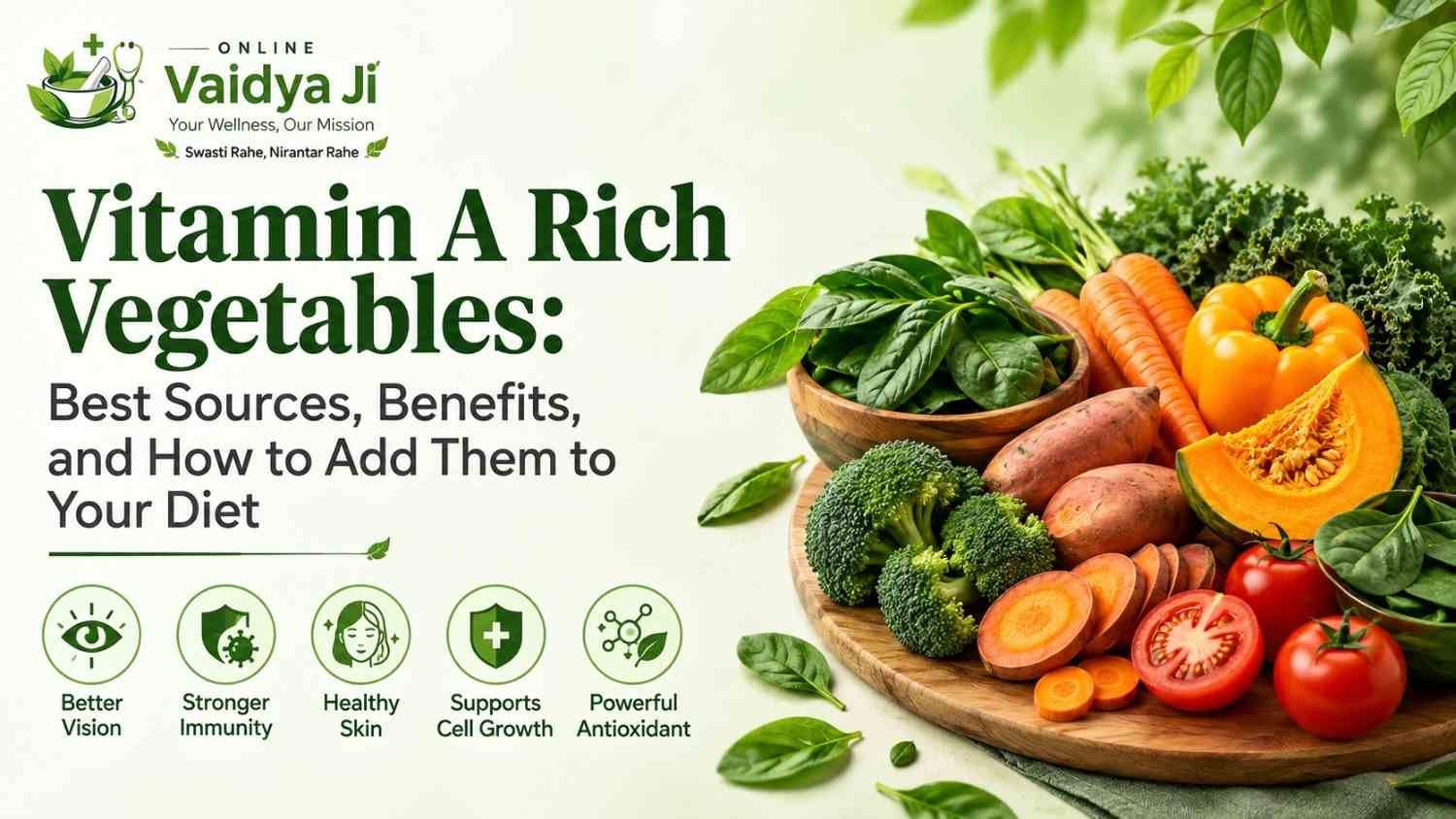
Vitamin A is a vital fat-soluble nutrient that plays an indispensable role in maintaining good vision, supporting immune function, promoting healthy skin, and ensuring proper cellular growth. Vitamin A Rich Vegetables Because the human body cannot synthesize this essential compound independently, you must acquire it directly from your daily diet.
For individuals seeking plant-based nutrition, focusing on vitamin a rich vegetables is the safest and most effective way to meet nutritional requirements. Unlike animal-derived retinol, which can accumulate to toxic levels in high doses, plant foods provide beta-carotene—a powerful antioxidant that your body converts into active vitamin A only as needed.
Introduction to Vitamin A and Its Importance
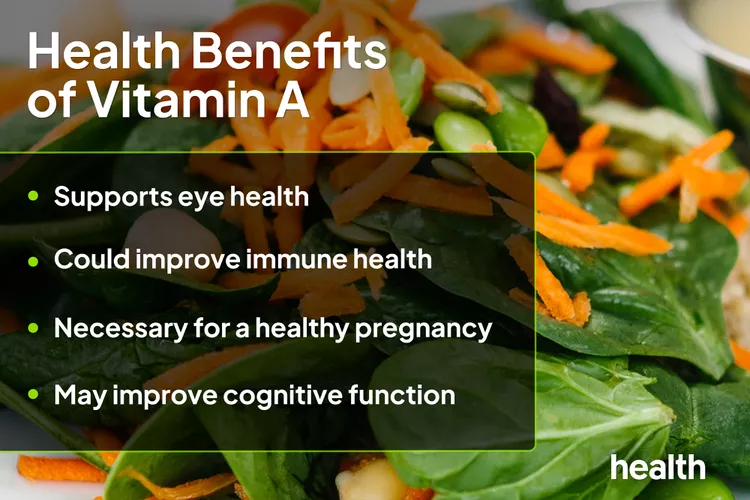
What makes vitamin a sources so crucial for long-term health? Vitamin A exists primarily in two forms: preformed vitamin A (retinol), found in animal products, and provitamin A carotenoids (such as beta-carotene), found abundantly in colorful plant foods.
Beyond preserving sharp eyesight and preventing night blindness, this nutrient strengthens mucous membranes in the respiratory and digestive tracts, acts as an antioxidant against cellular damage, and supports reproductive health. Incorporating a colorful variety of vegetables rich in vitamin A ensures your body receives steady, natural support without the risks associated with synthetic high-dose supplements.
Daily Required Dose of Vitamin A
To maintain optimal physiological function without overconsuming nutrients, it helps to understand standard dietary guidelines. The recommended daily allowance (RDA) varies by age and gender:
- Men: 900 mcg RAE (Retinol Activity Equivalents) per day
- Women: 700 mcg RAE per day
- Children (1–13 years): 300 to 600 mcg RAE per day, depending on age
Pregnant and breastfeeding women may require adjusted amounts to support fetal development and milk production. Eating a balanced variety of vitamin a rich foods easily fulfills these targets.
Read More Blog : Hair Thinning: Effective Home Remedies and Everyday Tips for Healthier Hair
Top Vitamin A Rich Vegetables for Your Daily Diet
Adding vibrant plant foods to your meals is simple and delicious. Below are the best vegetable options packed with provitamin A carotenoids.
1. Carrots
Carrots are widely recognized as the premier source of beta-carotene. Just a half-cup serving can exceed your daily requirement for vitamin A. Alongside vision support, carrots are rich in dietary fiber, potassium, and vitamins B and C, which collectively promote smooth digestion and enhanced immune defense.
2. Sweet Potatoes
This delicious root vegetable is exceptionally high in beta-carotene. Sweet potatoes also contain complex carbohydrates, fiber, and bioactive compounds that assist in stabilizing blood sugar levels and supporting metabolic health.
3. Spinach
As a nutritional powerhouse, dark leafy greens like spinach offer impressive amounts of provitamin A alongside iron, magnesium, and calcium. Regular consumption of spinach helps manage systemic inflammation, supports cardiovascular health, and protects cellular integrity.
4. Pumpkin
Pumpkins are bright orange powerhouses loaded with beta-carotene and lutein. These antioxidants accumulate in eye tissues, filtering harmful blue light and reducing the long-term risk of age-related macular degeneration (AMD) and cataracts.
5. Broccoli
Broccoli is a versatile cruciferous vegetable that delivers a reliable dose of vitamin A alongside substantial amounts of vitamin C and vitamin K. While vitamin C boosts immune defense, vitamin K works synergistically to maintain strong, dense bone structures.
6. Red Bell Peppers
Sweet and crunchy bell peppers are packed with vitamin A and vitamin C. They also contain unique carotenoid antioxidants like capsanthin, which provide potent anti-inflammatory benefits that protect tissue health throughout the body.
7. Butternut Squash
Characterized by its sweet, nutty flavor profile, butternut squash is rich in beta-carotene, dietary fiber, magnesium, and potassium. It can be roasted, blended into creamy soups, or incorporated into grain bowls for a nutrient boost.
Read More Blog : Apple, Beetroot & Carrot (ABC) Juice: Benefits, Side Effects & Nutrition
Comparison Table: Top Vegetable Sources of Vitamin A
| Vegetable | Primary Form Vitamin | Key Health Benefits | Best Ways to Consume |
| Carrots | Beta-Carotene | Enhances vision, boosts immunity | Raw, steamed, or in salads |
| Sweet Potatoes | Beta-Carotene | Stabilizes blood sugar, supports gut health | Roasted, baked, or mashed |
| Spinach | Pro-vitamin A Carotenoids | Supports heart health and glucose management | Sautéed, in soups, or fresh in smoothies |
| Pumpkin | Beta-Carotene | Protects eye health against AMD and cataracts | Roasted, baked into pies, or pureed in soups |
| Broccoli | Pro-vitamin A Carotenoids | Strengthens bones and immune response | Steam-cooked, stir-fried, or raw |
| Red Bell Peppers | Capsanthin & Beta-Carotene | Reduces inflammation, provides antioxidants | Raw in salads or roasted in fajitas |
How to Maximize Vitamin A Absorption from Plant Foods
Because vitamin A is a fat-soluble nutrient, the human body requires dietary fats to properly absorb and utilize carotenoids from plant sources. You can significantly boost nutrient absorption by pairing your vitamin a foods with healthy fats.
- Add Healthy Oils: Drizzle olive oil, avocado oil, or sesame oil over roasted carrots, squash, or bell peppers.
- Incorporate Nuts and Seeds: Toss chopped almonds, pumpkin seeds, or sunflower seeds into spinach and vegetable salads.
- Light Cooking: Light steaming or sautéing helps break down tough plant cell walls, making beta-carotene much easier for your digestive system to release and absorb.
Conclusion
Incorporating a wide array of vitamin a vegetables into your daily meal plan is one of the smartest steps you can take for long-term wellness. From protecting your vision and reinforcing immune defenses to promoting vibrant skin, the benefits of these nutrient-dense plant sources are extensive. Because your body cannot manufacture this vital nutrient on its own, making conscious choices at every meal ensures optimal health. By consistently enjoying colorful vitamin a vegetables and pairing them with healthy fats to boost absorption, you can naturally and safely optimize your nutritional intake every single day.
Frequently Asked Questions (FAQs)
Is vitamin A from vegetables better than from supplements?
Yes, vitamin A derived from vegetables is significantly safer and easier for the body to regulate. Plant sources provide beta-carotene, which your body converts into active vitamin A only as needed, whereas high-dose supplements can lead to accidental toxicity.
Does cooking reduce the vitamin A content in vegetables?
Light cooking methods—such as steaming, roasting, or gentle sautéing—actually improve the bioavailability of vitamin A by breaking down plant cell walls. However, overcooking vegetables at excessively high temperatures for prolonged periods can degrade nutrient levels.
Which colored vegetables usually contain the most vitamin A?
Bright orange, deep yellow, and dark leafy green vegetables typically contain the highest concentrations of provitamin A. Their rich natural pigmentation serves as a direct indicator of high beta-carotene content.
Can eating too many vitamin A-rich vegetables be harmful?
Consuming excessive amounts of plant-based vitamin a rich foods is generally harmless. While a very high intake of beta-carotene can occasionally cause a harmless, temporary yellowing of the skin (carotenodermia), true vitamin toxicity is almost exclusively associated with high-dose retinol supplements.