High blood pressure, medically known as hypertension, is often termed the “silent killer” because it can quietly damage your cardiovascular system for years without causing obvious symptoms. Left unmanaged, elevated arterial pressure forces your heart to work significantly harder to pump blood throughout the body, increasing the risk of heart attacks, strokes, and chronic kidney conditions.
While clinical medical evaluation and prescribed pharmacological treatments remain essential for severe hypertension, incorporating targeted home remedies for hypertension alongside natural dietary adjustments can dramatically support your cardiovascular health. In this article, we explore 10 evidence-based home remedies for high blood pressure, practical lifestyle changes to manage hypertension, and simple steps to protect your heart naturally.
What Is Hypertension and Why Does It Occur?
Concise Overview: Hypertension occurs when the force of blood against your artery walls remains consistently too high, measured as a systolic reading of 130 mmHg or higher, or a diastolic reading of 80 mmHg or higher.
Normal Blood Pressure: Systolic < 120 mmHg AND Diastolic < 80 mmHg
Elevated Blood Pressure: Systolic 120–129 mmHg AND Diastolic < 80 mmHg
Stage 1 Hypertension: Systolic 130–139 mmHg OR Diastolic 80–89 mmHg
Stage 2 Hypertension: Systolic ≥ 140 mmHg OR Diastolic ≥ 90 mmHg
Understanding the primary causes of high blood pressure helps tailor effective preventive strategies. Primary factors include:
- Excessive Sodium Intake: Consuming too much salt causes fluid retention, increasing blood volume and arterial pressure.
- Physical Inactivity: A sedentary lifestyle weakens the heart muscle over time, making it work harder to circulate blood.
- Chronic Stress: High stress triggers adrenaline and cortisol release, temporarily spiking heart rate and narrowing blood vessels.
- Genetics and Aging: Natural arterial stiffening occurs with age, while family history elevates baseline risk.
10 Effective Home Remedies for High Blood Pressure
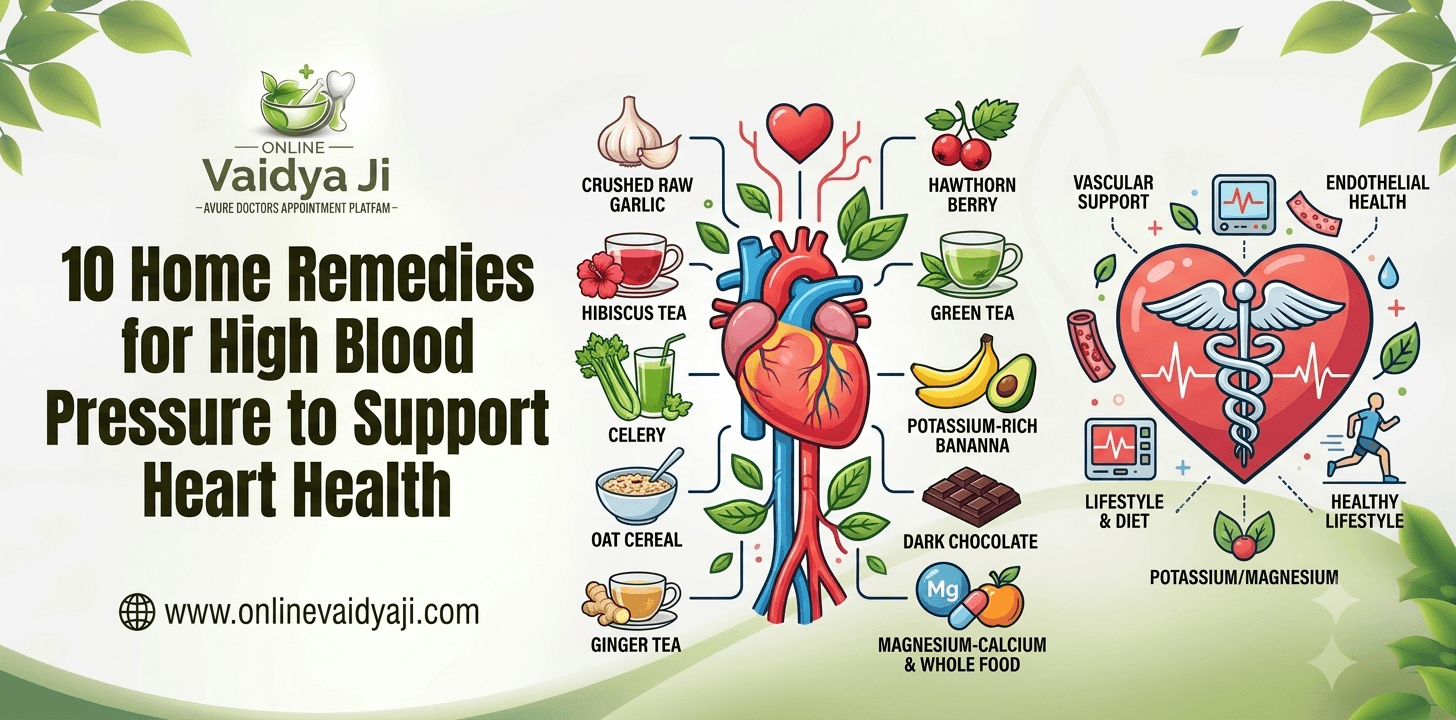
Learning how to control high blood pressure naturally involves utilizing daily kitchen staples, herbal teas, and nutrient-dense whole foods. Here are 10 proven natural ways to lower blood pressure:
1. Fresh Garlic Intake
Crushed raw garlic contains allicin, an active organosulfur compound that stimulates the production of nitric oxide. Nitric oxide relaxes smooth muscle tissue in blood vessels, promoting vasodilation and reducing overall vascular resistance.
- How to use: Consume 1–2 finely crushed fresh garlic cloves on an empty stomach daily, or add freshly minced garlic to lukewarm water.
2. Hibiscus Tea
Hibiscus tea (made from Hibiscus sabdariffa calyces) is rich in anthocyanins and antioxidants. Clinical studies suggest hibiscus acts as a mild natural ACE inhibitor, helping relax arterial walls.
- How to use: Steep 1–2 teaspoons of dried hibiscus calyces in boiling water for 5–7 minutes. Drink 1–2 cups warm or chilled daily.
3. Celery and Celery Juice
Celery contains a bioactive phytochemical called 3-N-butylphthalide (NBP). NBP helps relax the smooth muscle tissues in arterial walls and decreases stress hormone levels that contribute to vessel constriction.
- How to use: Snack on 2–3 fresh celery stalks daily or sip a glass of fresh celery juice in the morning.
4. Soluble Fiber from Oats
Whole grains like oats are loaded with beta-glucan, a soluble dietary fiber that aids in lowering systemic inflammation, reducing bad cholesterol (LDL), and regulating blood pressure levels.
- How to use: Enjoy a bowl of unsweetened oatmeal porridge prepared with low-fat milk or water and topped with fresh berries.
5. Fresh Ginger
Ginger contains powerful phenolic compounds such as gingerols and shogaols. These compounds act as natural calcium channel blockers, preventing calcium from entering heart and arterial cells, thereby relaxing blood vessels.
- How to use: Brew fresh lemon-ginger tea by simmering grated ginger root in hot water for 10 minutes.
6. Hawthorn Berry Decoction
Hawthorn (Crataegus) has been utilized in traditional herbal medicine for centuries. Its rich blend of procyanidins and flavonoids aids in dilating peripheral and coronary blood vessels, improving cardiac blood flow.
- How to use: Simmer dried hawthorn berries in water to create a mild herbal decoction or tea.
7. Antioxidant-Rich Green and Oolong Tea
Unfermented green tea and partially fermented oolong tea are rich in epigallocatechin gallate (EGCG) catechins. Regular consumption improves endothelial function and relaxes arterial lining.
- How to use: Sip 2 cups of freshly brewed green tea daily without added refined sugars.
8. Potassium-Rich Foods
Potassium is a essential mineral that balances sodium levels in your cells and eases tension in your blood vessel walls.
- Top sources: Bananas, avocados, sweet potatoes, spinach, coconut water, and white beans.
9. Dark Chocolate (85%+ Cocoa)
Flavonoids found in high-percentage dark chocolate stimulate the endothelium to produce nitric oxide, promoting arterial flexibility and mild blood pressure reduction.
- How to use: Limit intake to 1 small square (approx. 10–15g) of dark chocolate daily.
10. Magnesium and Calcium Supplements via Whole Foods
Magnesium regulates hundreds of enzymatic processes, including vascular smooth muscle tone. Combining magnesium-rich foods with calcium supports healthy muscular contraction and relaxation throughout the circulatory system.
- Top sources: Pumpkin seeds, almonds, chia seeds, leafy green vegetables, and low-fat dairy products.
Comparison Table: Natural Remedies vs. Medical Interventions
| Parameter | Home Remedies for Hypertension | Prescription Medications (e.g., ACE Inhibitors) |
| Primary Action | Gradual vascular relaxation & overall wellness support | Direct, rapid pharmacological reduction of blood pressure |
| Suitability | Prehypertension, Stage 1 HTN, & complementary care | Stage 1 & Stage 2 Hypertension under medical supervision |
| Side Effects | Minimal when taken in recommended culinary amounts | Potential cough, dizziness, electrolyte shifts, or fatigue |
| Long-term Benefit | Improves overall cardiovascular & metabolic health | Prevents acute cardiovascular events & target organ damage |
Essential Lifestyle Changes to Manage Hypertension
While natural remedies offer great benefits, sustainable lifestyle changes to manage hypertension form the foundation of long-term blood pressure control.
Read More Blog : Dengue Vaccine in India: Approval, Eligibility, Safety & Effectiveness
Adopt the DASH Diet
The Dietary Approaches to Stop Hypertension (DASH) diet focuses on fruits, vegetables, whole grains, lean proteins, and low-fat dairy while sharply limiting saturated fats and refined sugars.
Reduce Sodium Intake
Lowering daily sodium consumption to under 1,500–2,000 mg (about 1 teaspoon of table salt) can lower blood pressure significantly. Avoid processed meats, canned soups, and packaged snacks.
Engage in Regular Physical Exercise
Aim for at least 150 minutes of moderate aerobic activity (such as brisk walking, swimming, or cycling) per week. Exercise strengthens the heart, allowing it to pump more blood with less effort.
Stress Reduction and Sleep Hygiene
Chronic mental stress maintains elevated sympathetic nervous activity. Practice deep breathing exercises, meditation, or daily yoga, and prioritize 7–9 hours of restful sleep every night.
When Should You Consult a Doctor?
Although natural options are beneficial, self-managing severe hypertension without medical guidance can be dangerous. Seek immediate clinical assistance if:
- Your home monitor shows a systolic reading over 180 mmHg or a diastolic reading over 120 mmHg (Hypertensive Crisis).
- You experience accompanying symptoms like chest pain, severe shortness of breath, sudden numbness, vision changes, or intense headaches.
- You are pregnant and notice sudden spikes in blood pressure.
Conclusion: Empowering Your Heart Health Naturally
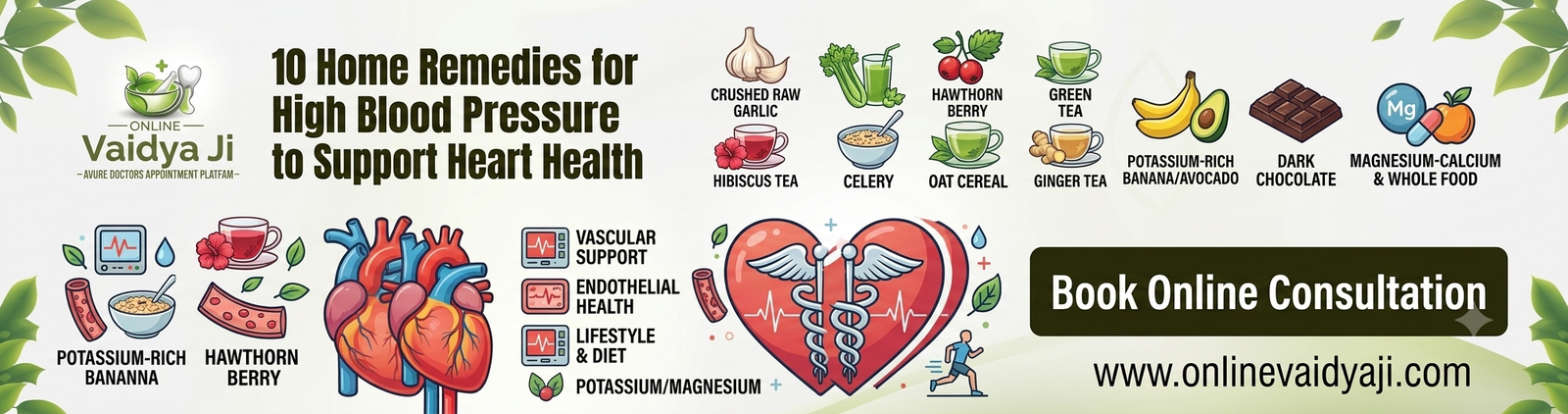
Finding how to control high blood pressure naturally requires a balanced combination of nutrient-dense foods, active living, and daily heart-friendly habits. Utilizing evidence-based home remedies for hypertension—such as fresh garlic, celery juice, hibiscus tea, and potassium-rich whole foods—provides valuable support for your vascular system.
Remember that consistency is key when implementing home remedies for high blood pressure. Track your daily readings, adopt structured lifestyle changes to manage hypertension, and work closely with your healthcare provider to ensure a safe, holistic approach to lifelong cardiovascular wellness.
Frequently Asked Questions (FAQs)
1. What is the fastest home remedy to lower blood pressure immediately?
While no home remedy replaces emergency medical care during a hypertensive crisis, resting quietly in a calm space, taking slow deep belly breaths, drinking a glass of water, or sipping warm hibiscus tea can help relax blood vessels and lower acute stress-induced blood pressure spikes.
2. Can home remedies completely replace blood pressure medication?
For mild or early-stage elevated blood pressure, consistent dietary adjustments and lifestyle changes may help normalize readings under doctor supervision. However, for established Stage 1 or Stage 2 hypertension, home remedies should complement—not replace—prescription medications advised by your physician.
3. Which fruit is best for lowering blood pressure quickly?
Fruits rich in potassium, magnesium, and vitamin C—such as bananas, pomegranates, oranges, kiwis, and berries—are most effective. Pomegranates and berries contain polyphenols that directly support arterial dilation.
4. How much salt should a person with high blood pressure consume daily?
People with high blood pressure or prehypertension should ideally limit sodium intake to no more than 1,500 mg per day (roughly 3/4 teaspoon of salt) to prevent fluid retention and extra strain on artery walls.
5. Is garlic safe to consume daily for hypertension?
Yes, consuming 1–2 crushed fresh garlic cloves daily is generally safe and beneficial for most adults. However, if you are taking blood-thinning medications or have an upcoming surgery, consult your doctor first due to garlic’s mild natural blood-thinning properties.