
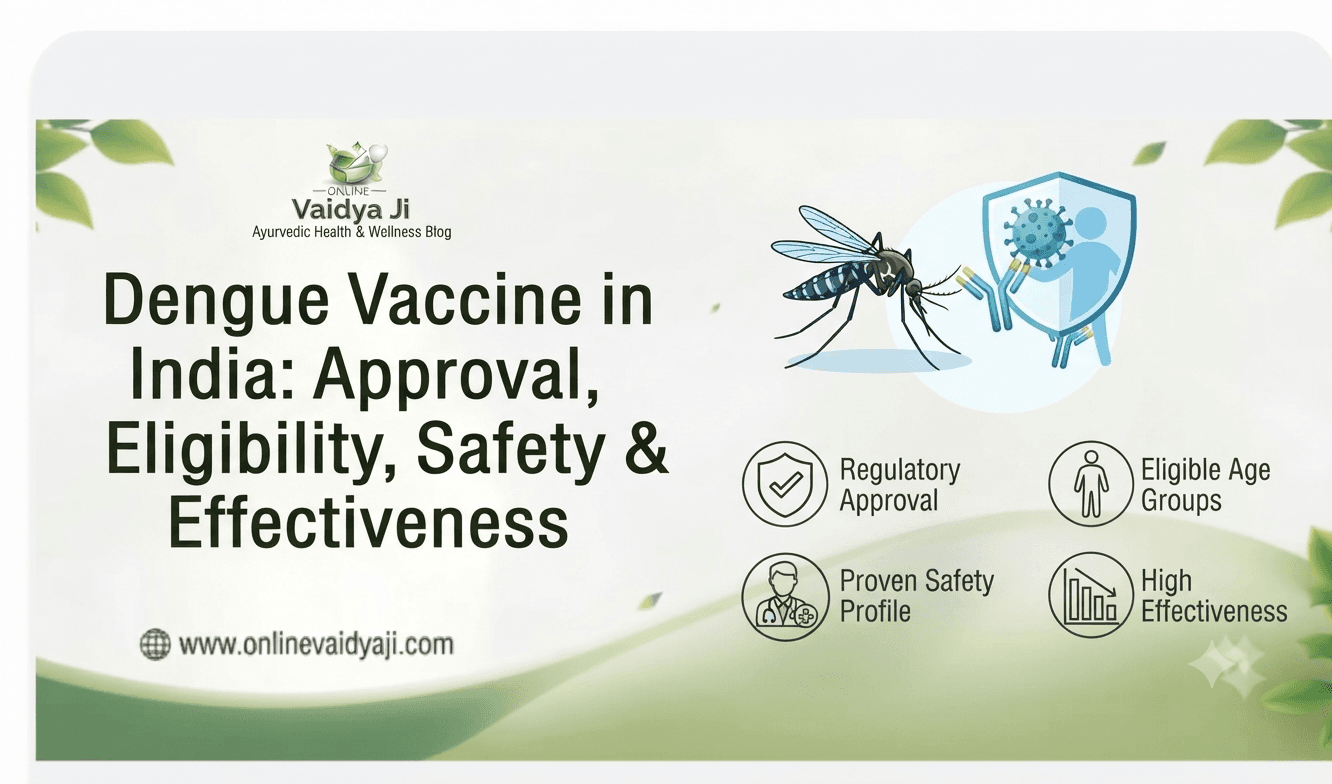
Dengue is a major mosquito-borne viral disease in India, with seasonal monsoon outbreaks placing a severe burden on public health. As vector-borne infections continue to pose a threat, finding reliable preventive measures has become an urgent priority. While vector control methods like mosquito nets and repellents remain crucial, modern medical science has introduced a breakthrough with immunization.
This comprehensive guide explores the current status of the dengue vaccine in India, covering approvals, eligibility criteria, the mechanisms of the dengue injection, safety profiles, and overall clinical effectiveness.
Is There a Vaccine for Dengue?
Yes, specialized vaccines have been developed, and key approvals have marked a turning point in public health. People frequently ask: is there a vaccine for dengue? The answer is yes, though global and local policies carefully dictate who receives it based on age and previous infection history.
Developing an effective dengue vaccine has historically been complex because the disease is caused by four distinct virus serotypes (DENV-1, DENV-2, DENV-3, and DENV-4). Natural infection with one serotype grants long-term immunity only against that specific type. A subsequent infection by a different serotype can sometimes trigger severe complications due to antibody-dependent enhancement (ADE). Therefore, a safe vaccine must induce balanced, tetravalent protection.
Dengue Vaccine Approved in India
The Central Drugs Standard Control Organisation (CDSCO) has granted regulatory approval to Qdenga (TAK-003) under the Drugs and Cosmetics Act. Manufactured by Takeda GmbH, this milestone introduction marks the arrival of the first authorized dengue vaccine blog-worthy breakthrough for Indian healthcare.
| Feature | Details |
| Vaccine Name | Qdenga® (TAK-003) |
| Manufacturer | Takeda GmbH, Germany (Distributed by Takeda Biopharmaceuticals India) |
| Regulatory Body | CDSCO, India |
| Target Age Group | Individuals aged 4 to 60 years |
| Administration Route | Subcutaneous injection (under the skin) |
Note: Although regulatory approval is secured, the vaccine is currently rolled out primarily through the private healthcare sector and is not yet part of the Universal Immunisation Programme (UIP).
How Does the Dengue Vaccine Work?
Qdenga is a live-attenuated tetravalent vaccine. It utilizes weakened strains of all four dengue serotypes engineered through recombinant DNA technology.
When administered as a subcutaneous dengue injection, it operates through these key biological stages:
- Mimicking Natural Exposure: The weakened viruses trigger a mild immune response without causing active clinical disease.
- Antibody Production: The immune system recognizes the foreign antigens and generates neutralizing antibodies against DENV-1, DENV-2, DENV-3, and DENV-4.
- Immune Memory Formation: B-cells and T-cells store memory profiles to ensure a rapid, robust defense upon any future mosquito-borne exposure, significantly reducing hospitalization and severe dengue risks.
Who Is Eligible for the Dengue Vaccine?
Determining eligibility depends on age, health status, and geographic exposure risk.
Who Can Receive It?
- Healthy children and adults aged 4 to 60 years.
- Individuals residing in high-transmission or endemic areas across India.
Contraindications (Who Should Avoid It?)
- Children under 4 years of age.
- Pregnant or breastfeeding women.
- Immunocompromised individuals (e.g., those undergoing active chemotherapy, high-dose systemic corticosteroid therapy, or people with symptomatic HIV).
- Anyone with a documented history of severe allergic reactions to previous vaccine doses or components.
Dengue Vaccine Dosage Schedule
To achieve maximum clinical protection, completing the full dosage regimen is mandatory.
- Number of Doses: Two doses total.
- Dose Volume: 0.5 mL per administration.
- Interval: The second dose is administered 3 months after the first dose.
- Missed Doses: If the second dose is delayed, the primary series does not need to be restarted; simply administer the follow-up dose as soon as feasible.
How Effective Is the Dengue Vaccine?
Extensive global clinical trials—including Phase III trials involving Indian participants aged 4 to 60—have proven that Qdenga produces a robust immune response.
- Broad Serotype Coverage: It protects against all four viral variants.
- Reduction in Hospitalizations: Clinical data shows significant reduction in symptomatic dengue fever episodes and severe disease manifestations.
- Global Trust: Authorized in over 40 countries (including the European Union and the UK) and backed by WHO prequalification standards.
Is the Dengue Vaccine Safe?
With over 24 million doses administered worldwide, the safety profile remains favorable. Mild to moderate side effects typically resolve within 1 to 3 days post-injection:
- Localized pain, redness, or swelling at the injection site
- Mild headache, myalgia (muscle pain), and arthralgia (joint pain)
- Low-grade fever and transient fatigue
Seek immediate medical consultation if rare symptoms of a severe allergic reaction (such as difficulty breathing or facial swelling) occur.
Other Ways to Prevent Dengue
While vaccination offers robust internal defense, vector control remains essential:
- Use EPA-registered mosquito repellents containing DEET or lemon eucalyptus oil.
- Wear full-sleeved clothing during peak mosquito activity hours (dawn and dusk).
- Eliminate stagnant water sources around residential areas to stop mosquito breeding.
- Install window screens and use mosquito nets indoors.
Conclusion
The introduction of approved immunization options marks a monumental leap forward in managing vector-borne illnesses. By understanding the approval status, dosage schedules, safety protocols, and eligibility criteria for the dengue vaccine in India, individuals can make informed health decisions in consultation with qualified medical professionals.
Frequently Asked Questions (FAQs)
1. Is the dengue vaccine available for everyone in India?
Currently, Qdenga is approved for individuals aged 4 to 60 years and is primarily accessible through private healthcare providers rather than government immunization programs.
2. Can the dengue injection cure an active dengue infection?
No. The vaccine is strictly preventive and cannot be used as a therapeutic treatment for individuals who are currently suffering from active dengue fever.
3. What are the common side effects of the dengue vaccine?
Most side effects are mild and temporary, including injection site soreness, low-grade fever, headache, and mild muscle or joint aches lasting 1 to 3 days.
4. Do I need a pre-vaccination blood test before getting the dengue injection?
Answer: No pre-vaccination blood test or screening is required before receiving Qdenga. Unlike older generation dengue vaccines that mandated confirmation of past infection history, this approved vaccine can be administered safely to both individuals who have had dengue previously and those who have never been infected.
5. Does the vaccine protect against all four strains of the dengue virus?
Answer: Yes. Qdenga is a tetravalent vaccine, meaning it is specifically engineered to stimulate the immune system to produce neutralizing antibodies against all four dengue virus serotypes (DENV-1, DENV-2, DENV-3, and DENV-4), providing comprehensive protection against seasonal outbreaks.