
Moringa leaves benefits range from concentrated micronutrient support and antioxidant protection to gentler blood sugar and cholesterol management. Derived from Moringa oleifera—widely known across South Asia and around the world as drumstick leaves—these small, feathery greens pack vitamins, minerals, and plant compounds into very few calories.
Moringa Leaves Nutrition Profile
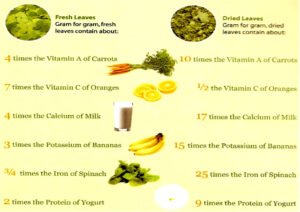
Fresh moringa leaves are exceptionally nutrient-dense for a low-calorie green, supplying high levels of beta-carotene (vitamin A precursor), vitamin C, calcium, iron, potassium, and dietary fiber. According to the Indian Food Composition Tables (IFCT 2017) and standard food composition data, 100 grams of fresh drumstick leaves provide roughly 60 to 67 kcal along with notable amounts of plant protein and micronutrients.
| Nutrient (per 100 g fresh leaves) | Approximate Value | Key Physiological Role |
| Energy | ~60–67 kcal | Low-calorie volume for everyday meals |
| Protein | ~6.4–9.4 g | Supports tissue repair alongside other plant/animal proteins |
| Dietary Fiber | ~8.2 g | Promotes digestive regularity and fullness |
| Beta-Carotene | ~17,542 µg | Converted by the body into vitamin A for vision and immunity |
| Vitamin C | ~108 mg | Supports collagen synthesis, immunity, and non-heme iron uptake |
| Calcium | ~314 mg | Contributes to bone and teeth maintenance |
| Iron | ~4.5 mg | Supports red blood cell formation and oxygen transport |
Health Benefits of Drumstick Leaves
The benefits of drumstick leaves come primarily from bioactive antioxidants, polyphenols, flavonoids like quercetin, and essential minerals that help counter oxidative stress and support everyday metabolic health. While early clinical and preclinical studies show encouraging results, whole leaves work best as part of a balanced diet rather than a standalone cure.
1. Rich Antioxidant Defense Against Oxidative Stress
Moringa leaves contain quercetin, chlorogenic acid, beta-carotene, and vitamin C, which help neutralize free radicals linked to cellular wear and chronic inflammation. Adding antioxidant-rich greens to regular meals supports long-term cellular resilience.
2. Blood Sugar Regulation Support
Early human and animal studies suggest compounds in Moringa oleifera may help moderate post-meal blood glucose spikes and improve insulin sensitivity. Pairing fiber-rich leaves with whole grains and lentils slows digestion further.
3. Cholesterol and Lipid Balance
Research indicates moringa leaf extracts and whole greens may help lower LDL (“bad”) cholesterol and triglycerides while supporting HDL cholesterol. Its soluble and insoluble fiber also binds bile acids in the gut.
4. Anti-Inflammatory Properties
Isothiocyanates, flavonoids, and phenolic compounds in moringa help calm low-grade inflammatory pathways. Regular dietary intake of anti-inflammatory plant foods supports joint comfort and overall metabolic health.
5. Vision and Eye Health Protection
High beta-carotene alongside lutein and zeaxanthin helps protect retinal tissue and supports night vision. Because beta-carotene is fat-soluble, cooking moringa leaves with a small amount of oil or ghee improves absorption.
6. Immune System Support
Vitamin C, vitamin A precursors, and plant polyphenols work together to support barrier immunity and normal immune cell function. Freshly cooked leaves retain more heat-sensitive vitamin C than heavily overcooked greens.
7. Digestive Health and Gut Regularity
Dietary fiber in moringa leaves adds bulk to stool and supports healthy bowel movements. Gentle cooking also makes tender leaves easier on sensitive stomachs than raw fibrous stems.
8. Bone Mineral Support
Calcium, magnesium, and phosphorus in drumstick leaves contribute to skeletal health over time. Combining them with adequate vitamin D and weight-bearing movement strengthens bone care.
9. Iron Intake for Energy and Vitality
Plant-based non-heme iron in moringa leaves helps replenish daily iron stores. Squeezing fresh lemon juice onto cooked greens adds vitamin C, which helps your body absorb plant iron more efficiently.
10. Heart Health and Blood Pressure Support
Potassium, fiber, and polyphenols like quercetin help support healthy blood vessel function and balanced blood pressure as part of a heart-smart eating pattern.
11. Liver Function and Detoxification Pathways
Preclinical studies point to antioxidant and hepatoprotective activity in moringa leaf extracts that helps shield liver cells from oxidative strain. Human evidence remains developing, so balanced nutrition remains key.
12. Skin Health and Collagen Maintenance
Vitamin C drives natural collagen production, while vitamin A and antioxidants help protect skin against environmental stress. Hydrating meals rich in micronutrients complement topical skincare.
13. Brain Health and Cognitive Focus
B vitamins (such as riboflavin and vitamin B6), iron, and antioxidants support normal nervous system signaling and energy metabolism in the brain.
14. Everyday Energy Without Caffeine Crashes
By supporting iron status, B-vitamin metabolism, and steadier blood sugar responses, moringa leaves help prevent mid-afternoon sluggishness linked to nutrient gaps.
15. Nutritional Backup in Plant-Forward Diets
For vegetarians and flexitarians, drumstick leaves add meaningful calcium, iron, and alpha-linolenic acid (ALA) omega-3s alongside pulses, nuts, and seeds.
16. Postpartum and Recovery Nutrition
Traditionally used in household kitchens during recovery periods, moringa leaves offer concentrated micronutrients and warmth when prepared in easily digestible soups, dals, or porridges.
Moringa Leaves Powder Benefits vs. Fresh Leaves
Moringa leaves powder benefits come from convenience, shelf stability, and concentrated minerals per spoonful, while fresh leaves retain higher levels of heat- and storage-sensitive vitamin C. Drying removes water, concentrating protein, fiber, and minerals by weight—though drying temperature and storage conditions affect potency.
Dhatu Organics
| Feature | Fresh Moringa Leaves | Moringa Leaf Powder |
| Convenience | Requires destemming, washing, and cooking | Ready to stir into smoothies, soups, or dough |
| Vitamin C | Higher when fresh and lightly cooked | Partially reduced during drying and storage |
| Minerals & Fiber per Spoon | Lower per tablespoon due to water weight | More concentrated per gram |
| Culinary Role | Stir-fries, dals, curries, omelets, porridges | Smoothies, warm broths, batters, teas |
How to Eat Moringa Leaves Safely and Deliciously
Learning how to eat moringa leaves is simple: strip tender leaflets from tough stems, wash thoroughly, and cook them briefly in everyday savory dishes or stir powder into warm foods and smoothies. Short cooking times help preserve color, texture, and key nutrients.
- Sautéed with Garlic and Spices: Wilt washed leaflets in a little oil or ghee with garlic, cumin, mustard seeds, and mild spices for a quick side dish.
- Simmered in Dal or Sambhar: Stir tender leaves into lentils or vegetable stews during the final 5 to 8 minutes of cooking so they stay vibrant.
- Mixed into Paratha or Roti Dough: Knead finely chopped fresh leaves or 1 to 2 teaspoons of powder into whole-wheat flour for flavorful flatbreads.
- Blended into Smoothies or Chutneys: Add a small spoonful of moringa powder to fruit-and-yogurt smoothies or blend fresh leaves into a tangy herb chutney to mask earthy notes.
- Stirred into Soups and Scrambles: Fold leaves into egg bhurji, omelets, or clear vegetable broths right before serving.
Who Should Take Extra Care?
Start with small portions and check with a healthcare professional before using concentrated powders or supplements if you are pregnant, breastfeeding, taking blood sugar or blood pressure medications, managing thyroid conditions, or using blood thinners (as moringa contains vitamin K).
Conclusion
The wide-ranging moringa leaves benefits—from concentrated vitamins, minerals, and antioxidants to everyday digestive, immune, and blood sugar support—make these humble drumstick leaves one of the easiest nutrient upgrades for your kitchen. Whether you stir fresh leaflets into warm dals and flatbreads or blend a spoonful of moringa powder into your morning smoothie, small, consistent additions deliver lasting nutritional value. Start with modest culinary portions, pair them with balanced meals, and consult a healthcare professional if you are pregnant or managing an existing health condition.
Frequently Asked Questions
Can I eat moringa leaves every day?
For most healthy adults, eating modest culinary portions of cooked moringa leaves as part of regular meals is safe and nourishing. If you plan to take concentrated moringa powder daily, start with a small amount (such as 1 teaspoon) and consult a doctor if you have underlying health conditions or take daily medications.
Is moringa better taken in the morning or at night?
Many people prefer taking moringa leaves or powder earlier in the day—at breakfast or lunch—because its nutrients support daytime energy and digestion, and it pairs easily with smoothies or savory meals. Taking it with food also helps reduce mild stomach upset in sensitive individuals.
Does cooking destroy moringa leaves benefits?
Long, high-heat boiling can reduce some vitamin C and water-soluble compounds, while fat-soluble beta-carotene absorbs better when paired with a small amount of healthy oil. Adding leaves near the end of cooking helps retain both flavor and nutritional value.
Are raw moringa leaves safe to eat?
Clean, tender young moringa leaves can be eaten raw in small amounts, such as in salads or chutneys, once thoroughly washed. However, cooking makes tougher leaves easier to digest and lowers microbial risk if production hygiene is uncertain.