
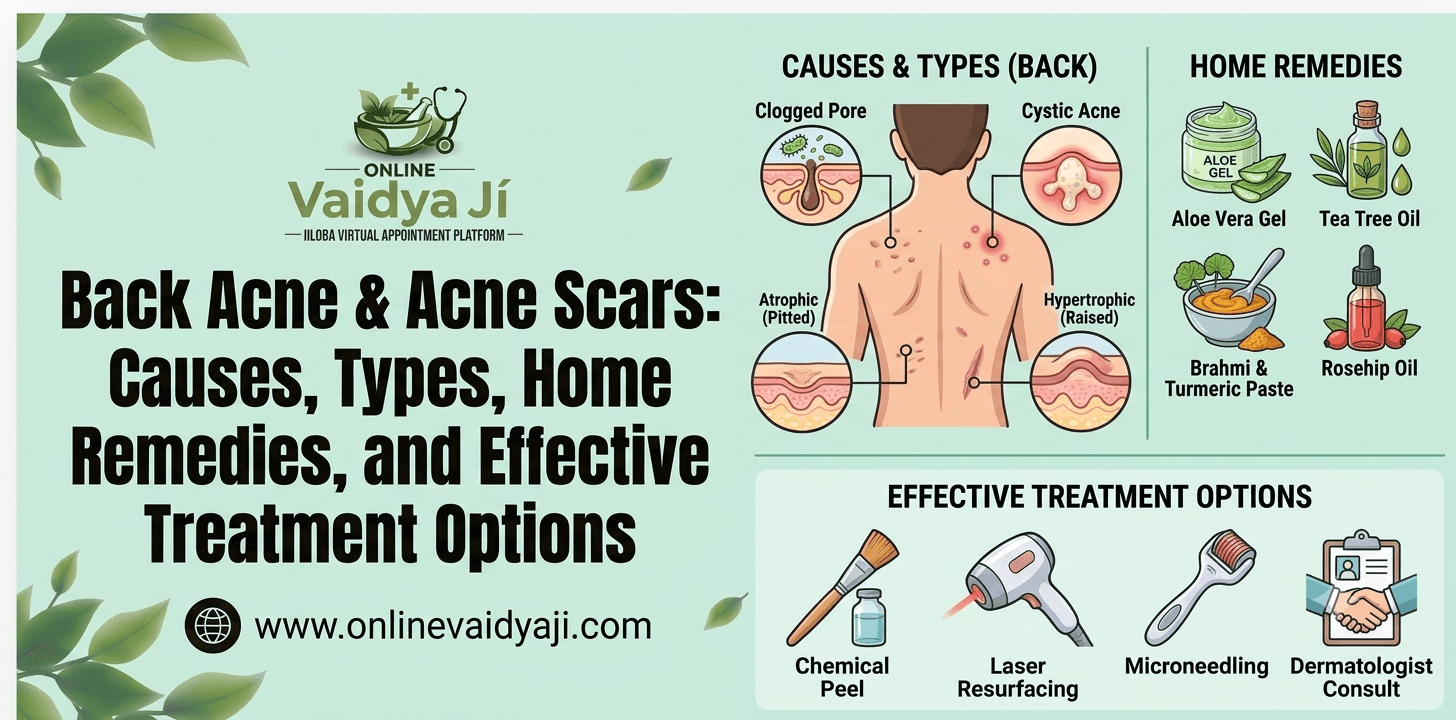
Dealing with acne is frustrating enough, but the stubborn marks and indents left behind can linger long after breakouts clear. Whether they appear on your face or manifest as persistent back acne, understanding how to properly care for your skin is essential. If you are searching for practical ways to achieve a clearer, smoother complexion, this guide covers everything you need to know about types of acne scars, proven home remedies for acne scars, and medical solutions for acne scar treatment.
What Causes Acne Scars?
Acne scars are caused by severe skin inflammation. When pores become clogged with excess oil, dead skin cells, and bacteria, the follicle wall ruptures. The skin attempts to repair this damage by producing collagen, leading to either depressed indents or raised tissue.
Acne forms when sebaceous glands overproduce oil, trapping bacteria and debris. While superficial breakouts heal quickly without lasting damage, deep or cystic acne triggers a significant inflammatory response. When the pore wall breaks down deep within the dermis, the infection spills into surrounding tissue.
To repair this structural damage, the body rushes collagen fibers to the area. If the body produces too little collagen, a pitted indentation remains; if it produces too much, a raised scar forms. Additionally, friction from clothing, sweat accumulation, and hormonal fluctuations frequently worsen breakouts and subsequent scarring, particularly regarding back acne.
Understanding the Different Types of Acne Scars
Before choosing a natural remedy for acne scars or exploring clinical treatments, it is crucial to identify your specific scar morphology. Scars generally fall into two main categories: atrophic (depressed) and hypertrophic (raised).
| Scar Type | Sub-Category | Appearance & Characteristics | Common Location |
| Atrophic (Depressed) | Ice Pick Scars | Narrow, deep pits that resemble small puncture holes in the skin. | Upper cheeks, forehead |
| Atrophic (Depressed) | Rolling Scars | Broad depressions with sloping edges, giving the skin an uneven texture. | Lower cheeks, jawline |
| Atrophic (Depressed) | Boxcar Scars | U-shaped depressions with sharp, steep vertical walls. | Lower cheeks, jawline |
| Hypertrophic (Raised) | Keloids / Raised | Thickened, raised bumps that form when excess collagen accumulates during healing. | Jawline, chest, shoulders, back |
Effective Home Remedies for Acne Scars
While deep scars require professional dermatological intervention, mild discoloration, macular spots, and shallow textural irregularities often respond well to consistent care. Here are dermatologist-backed home remedies for acne scars that harness natural healing properties:
1. Rosehip Seed Oil
Rich in essential fatty acids, vitamin A, and vitamin C, rosehip seed oil penetrates deep into the dermal layers to promote cell regeneration. Applying a few drops directly to affected areas helps fade hyperpigmentation and softens stubborn scars over time.
2. Pure Lemon Juice
Natural citrus acts as a gentle exfoliant and skin brightener due to its high concentration of vitamin C and citric acid. Dab fresh lemon juice onto dark spots using a cotton ball, leave it on for a few minutes, and rinse thoroughly with cool water to help even out skin tone.
3. Nutrient-Rich Okra (Ladyfinger) Paste
Okra contains abundant levels of vitamins A and C alongside powerful antioxidants that soothe inflammation. Blend fresh ladyfinger pieces into a smooth paste, mix with a touch of honey, apply to the skin for 30 minutes, and wash off to support tissue recovery.
4. Brahmi and Turmeric Treatment
Brahmi is widely celebrated in traditional herbal care for its potent anti-inflammatory and antioxidant properties. Mashing fresh brahmi leaves and combining them with a pinch of turmeric and lemon juice creates a purifying mask that targets active breakouts and lingering marks.
How to Get Rid of Acne Marks: Prevention and Skincare Habits
Preventing new marks from forming is just as important as treating old ones. Integrating the following daily habits into your routine protects your skin barrier:
- Never Pick or Squeeze: Squeezing active pimples pushes bacteria deeper into the dermis, increasing inflammation and guaranteeing deep scarring.
- Prioritize Daily Sun Protection: UV exposure stimulates melanin production, causing fresh acne marks to darken and remain visible for much longer.
- Manage Back Acne Gently: Use non-comedogenic body washes containing salicylic acid to keep pores clear across your chest, shoulders, and back without causing abrasive friction.
- Avoid Smoking: Nicotine constricts blood vessels, slowing down cellular oxygenation and impairing the skin’s natural healing capacity.
When to Seek Professional Medical Help
While natural remedies work wonders for mild surface discoloration, severe scarring—such as deep boxcar, ice pick, or hypertrophic keloids—cannot be resolved with topical ingredients alone.
Consult a board-certified dermatologist early to evaluate your skin. Modern clinical options for acne scar treatment include fractional laser resurfacing, chemical peels, microneedling, subcision, and dermal fillers, all of which safely remodel collagen and restore smooth skin texture.

Conclusion
Dealing with stubborn blemishes and residual marks requires patience, consistency, and the right skincare approach. Whether you are managing facial breakouts or persistent back acne, combining gentle daily care with proven home remedies for acne scars can significantly improve your skin’s texture and tone. While natural treatments like rosehip seed oil and vitamin-rich extracts help fade surface discoloration, deep structural indents often benefit from professional acne scar treatment guided by a dermatologist. By protecting your skin barrier and avoiding picking, you can successfully minimize types of acne scars and achieve a healthier, clearer complexion over time.
Frequently Asked Questions (FAQs)
What are the best home remedies for acne scars?
Effective home options include rosehip seed oil for cell regeneration, lemon juice for natural brightening, and soothing herbal blends like brahmi and turmeric paste to calm inflammation and reduce discoloration.
How can I remove deep acne scars permanently?
While home remedies improve surface texture and mild marks, deep atrophic scars (like ice pick or boxcar scars) typically require professional dermatological procedures such as laser therapy, microneedling, or chemical peels for significant removal.
Is back acne different from facial acne?
Yes, the skin on the back is thicker and contains a higher concentration of sweat and sebaceous glands. Friction from clothing and trapped sweat often worsen back acne, requiring specialized body washes and breathable clothing to clear.
How long does it take for acne marks to fade naturally?
Mild red or brown post-inflammatory hyperpigmentation can fade naturally within 3 to 6 months. However, true structural scars (depressions or raised tissue) are permanent unless treated with targeted dermatological interventions.