
When we think of breakouts, our minds usually jump straight to facial blemishes. However, skin eruptions can occur anywhere on the body where oil glands are dense. One of the most common yet frequently ignored skin concerns is back acne, often affectionately or dismissively referred to as bane.
Dealing with clogged pores, tender bumps, and persistent inflammation on your torso can be frustrating, especially during warmer months or when wearing open-backed clothing. Understanding why breakouts happen, recognizing the warning signs, and adopting the right skincare regimen can help you restore a clear, healthy complexion.
What Is Back Acne?
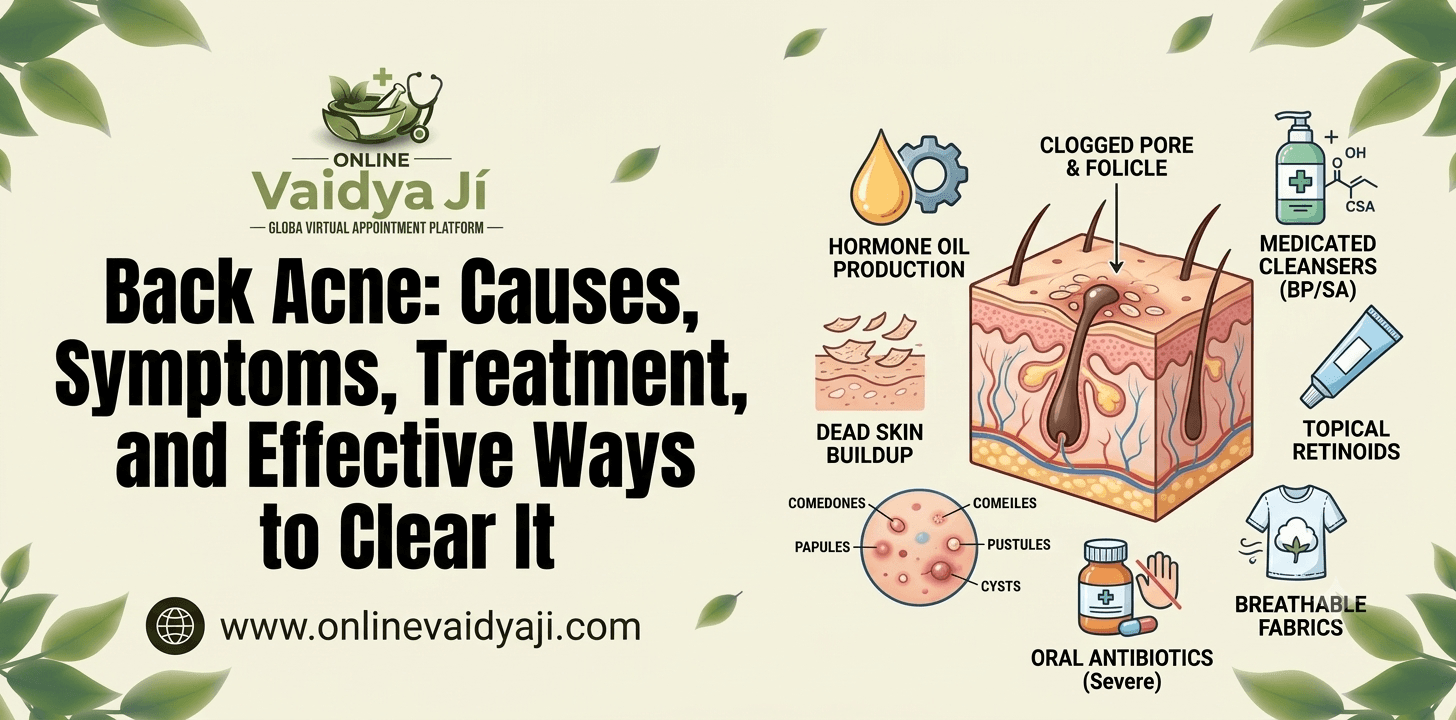
Back acne refers to comedones, papules, pustules, cysts, and nodules that develop across the upper back, shoulders, and trunk.
- Core Definition: It occurs when hair follicles on the back become trapped and congested with an excess of sebum (skin oil), dead skin cells, and proliferating bacteria.
- Prevalence: Clinical studies indicate that over half of individuals who experience facial breakouts also struggle with body acne, with men being particularly susceptible to upper back and shoulder flare-ups due to higher sebum production.
What Does Back Acne Look Like? Types of Bacne
Recognizing the specific manifestation of your skin condition is essential for choosing the right care routine. Just like facial skin issues, acne varies in severity and appearance.
| Type of Bacne | Visual Appearance | Underlying Characteristics |
| Whiteheads | Small, white or skin-colored closed bumps | Pores remain closed beneath the skin surface; firm to the touch. |
| Blackheads | Small dark or yellowish surface dots | Open pores where sebum oxidizes upon contact with ambient air. |
| Papules | Small, tender, red, or swollen bumps | Mild to moderate inflammation without visible pus. |
| Pustules | Inflamed red bumps with a white or yellow center | Filled with pus; tender and sensitive to touch. |
| Nodules | Large, hard, painful lumps | Deeply embedded beneath the skin layers; high risk of scarring. |
| Cysts | Deep, pus-filled, extremely painful lumps | Severe form of acne requiring prompt dermatological evaluation. |
Primary Back Acne Causes
- Back acne causes stem primarily from a combination of excess sebum production, trapped sweat, friction from clothing, dead skin cell accumulation, and bacterial proliferation within hair follicles.
Unlike facial skin, the skin on your back is thick and contains a high concentration of sebaceous glands. When these glands overproduce oil, dead skin cells cannot shed effectively, leading to blockages. Key contributors include:
- Hormonal Fluctuations: Androgen hormones stimulate excess oil secretion, making breakouts common during puberty, menstrual cycles, or conditions like PCOS.
- Sweat and Post-Workout Hygiene: Leaving sweat and gym grime on your skin creates an ideal breeding ground for bacteria.
- Friction and Pressure: Tight athletic wear, heavy backpacks, and restrictive straps trap heat, sweat, and friction against the skin (a condition known as acne mechanica).
- Comedogenic Hair and Skincare Products: Heavy body lotions, sunscreens, and hair conditioners that rinse down your back can leave pore-clogging residues.
Common Symptoms of Back Acne
- Symptoms range from mild surface blackheads and whiteheads to painful, inflamed nodules, persistent itching, soreness, and post-inflammatory hyperpigmentation or scarring.
If you are dealing with bacne, you may notice:
- Clusters of blackheads or closed whiteheads across the upper shoulders and spine.
- Tender, red papules that cause mild discomfort when leaning against chairs or wearing shirts.
- Persistent itching or deep soreness in severe, cystic flare-ups.
- Lingering dark marks or textural scarring long after active breakouts resolve.
Effective Back Acne Treatment Options
- Professional back acne treatment typically involves topical medicated washes containing benzoyl peroxide or salicylic acid, prescription retinoids, oral medications, or specialized dermatological procedures.
Depending on the severity of your breakouts, several medical and therapeutic options can help clear your skin:
- Topical Washes and Gels: Over-the-counter or prescription washes featuring 5% to 10% benzoyl peroxide or salicylic acid help exfoliate dead skin cells and kill acne-causing bacteria.
- Topical Retinoids: These vitamin-A derivatives promote cellular turnover and prevent pores from clogging in the first place.
- Oral Antibiotics or Medications: For deep nodules and cysts that fail to respond to topicals, dermatologists may prescribe oral antibiotics or targeted hormonal therapies.
- Clinical Procedures: Chemical peels and light-based therapies can accelerate clearing and minimize residual scarring.
Natural Remedies for Back Acne
- Effective natural remedies for back acne include soothing aloe vera gel, colloidal oatmeal baths, diluted tea tree oil, and green tea extracts that help calm inflammation and control microbial growth.
While medical treatments are powerful, several home care approaches can support skin healing:
- Tea Tree Oil: Known for its natural antimicrobial and anti-inflammatory properties, properly diluted tea tree oil can help reduce redness. Always dilute with a carrier oil to prevent skin irritation.
- Aloe Vera Gel: Pure, fragrance-free aloe vera helps cool and hydrate inflamed skin barriers without clogging pores.
- Colloidal Oatmeal Baths: Soaking in lukewarm water infused with colloidal oatmeal provides rapid relief from itching and widespread irritation.
- Green Tea Topicals: Rich in antioxidants, cooled green tea applied via a spray bottle can help regulate sebum oxidation.
Practical Tips for Back Acne Prevention
- Concise Answer: Key strategies for back acne prevention include showering immediately after heavy sweating, wearing loose, breathable fabrics, using non-comedogenic body products, and practicing gentle skin cleansing.
Learning how to get rid of back acne starts with consistent daily habits:
- Shower Post-Workout: Never linger in sweaty gym clothes; wash away perspiration promptly.
- Choose Breathable Apparel: opt for lightweight, loose-fitting cotton or moisture-wicking fabrics that minimize friction.
- Switch to Non-Comedogenic Products: Check your sunscreens, lotions, and body washes to ensure they are oil-free and non-pore-clogging.
- Wash Linens Regularly: Keep your bedsheets, pillowcases, and bath towels clean to prevent bacteria transfer.
When Should You See a Dermatologist?
Mild breakouts often respond well to consistent hygiene and over-the-counter care. However, you should consult a board-certified dermatologist if:
- Your breakouts are deep, painful, or leave noticeable scars.
- Over-the-counter washes and natural remedies show no improvement after 6 to 8 weeks.
- Your skin issues cause significant emotional distress or self-consciousness.
Conclusion
Managing and clearing back acne requires patience, consistency, and a balanced approach combining gentle daily hygiene, targeted skincare ingredients, and preventative lifestyle habits. By understanding the root causes and selecting the right treatments, you can achieve a clear, healthy, and confident back.
Frequently Asked Questions (FAQs)
1. Can poor hygiene alone cause back acne?
No. While failing to shower after sweating can exacerbate breakouts by trapping oil and bacteria, acne is primarily driven by internal factors like hormonal fluctuations, overactive sebaceous glands, and genetics, combined with friction and pore-clogging products.
2. Is it safe to pop or squeeze back acne?
Squeezing, picking, or popping back acne lesions is strongly discouraged. Doing so pushes bacteria and infection deeper into the dermal layers, increasing inflammation and dramatically raising your risk of permanent scarring and hyperpigmentation.
3. How long does it take to clear up bacne?
With a consistent skincare routine and targeted treatments, noticeable improvements typically appear within 4 to 8 weeks. However, deeper cystic breakouts or severe flare-ups may require several months of professional dermatological management.
4. Does wearing heavy backpacks cause back acne?
Yes. Heavy backpacks create continuous friction, heat, and pressure against the upper back, trapping sweat and oil inside the hair follicles—a condition commonly referred to as acne mechanic. Wearing moisture-wicking layers or lightening your pack can help mitigate this.