
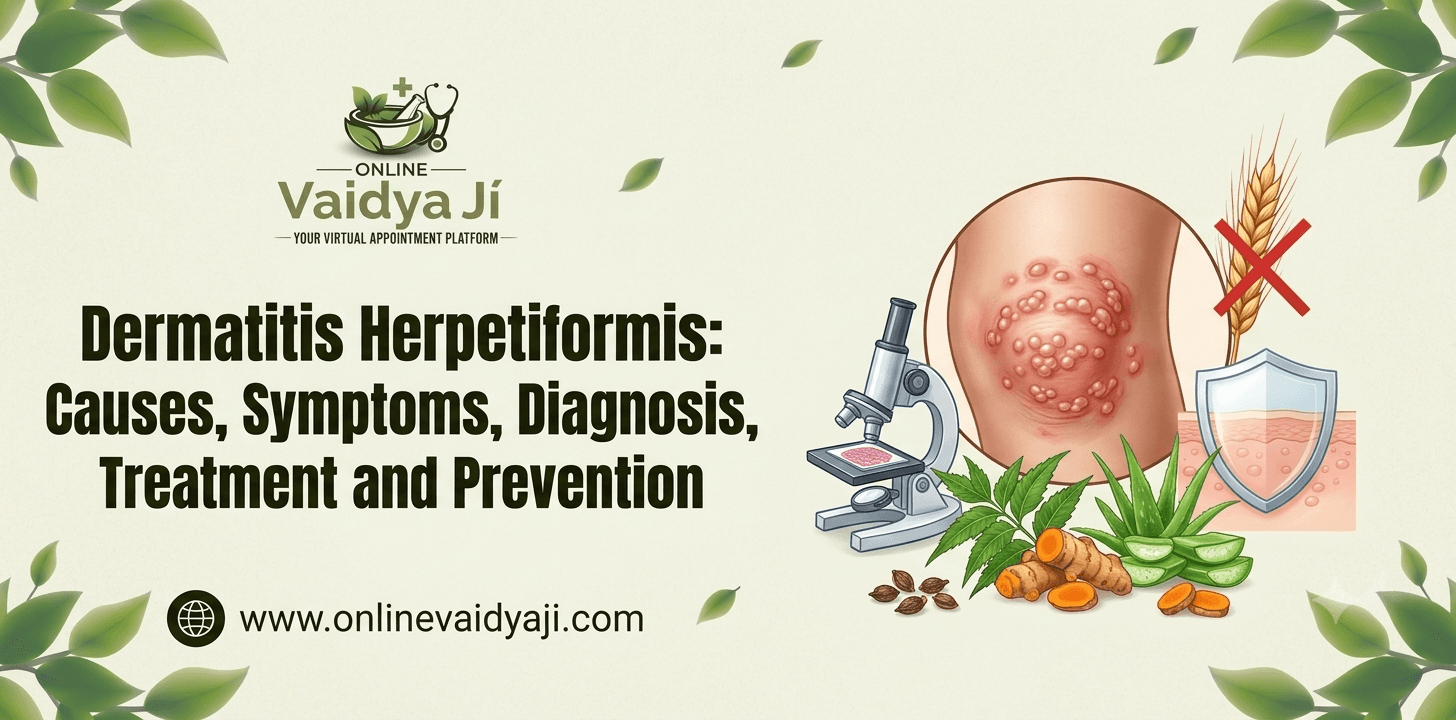
Dermatitis herpetiformis (DH) is a chronic, intensely itchy, blistering skin condition that serves as the specific cutaneous manifestation of celiac disease. Often referred to as “gluten rash,” it is triggered by an immune system reaction to dietary gluten. Despite its name, dermatitis herpetiformis is completely unrelated to the herpes virus; rather, it gets its name from the grouped, herpes-like clusters of blisters it forms. Understanding its root causes, recognizing early symptoms, and securing an accurate diagnosis are essential for achieving long-term skin clearance and managing underlying gluten sensitivity.
What is Dermatitis Herpetiformis?
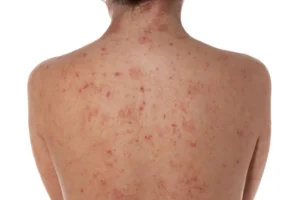
Dermatitis herpetiformis is an autoimmune skin disorder characterized by severe burning and blistering rashes symmetrically distributed across the elbows, knees, buttocks, and scalp. It affects individuals with an intolerance to gluten (gluten-sensitive enteropathy), marking a profound connection between skin health and gastrointestinal function.
Dermatitis Herpetiformis Causes
The primary trigger of dermatitis herpetiformis is an immunological overreaction to dietary gluten—a protein found in wheat, rye, and barley. When gluten is ingested, the body produces immunoglobulin A (IgA) antibodies. These antibodies travel through the bloodstream and deposit in the upper layers of the skin (papillary dermis), attracting white blood cells and triggering severe inflammation, itching, and fluid-filled blisters.
Key contributing factors and associations include:
- Genetic Predisposition: Individuals carrying specific human leukocyte antigen (HLA) gene variants—namely HLA-DQ2 and HLA-DQ8—have a significantly heightened susceptibility.
- Celiac Disease Connection: Nearly all patients with dermatitis herpetiformis have underlying celiac disease, though many experience zero classic gastrointestinal warning signs like bloating or diarrhea.
- Secondary Triggers: High dietary iodine intake can occasionally exacerbate skin flare-ups even when gluten is restricted.
Dermatitis Herpetiformis Symptoms
The hallmark symptom of dermatitis herpetiformis is an excruciatingly itchy and burning rash featuring clusters of small, red bumps and fluid-filled blisters. Because the itch is so intense, lesions are frequently ruptured by scratching, leaving behind crusts and discoloration.
Typical presentation patterns include:
- Symmetrical Distribution: Rashes almost always appear symmetrically on both sides of the body.
- Common Locations: Extensor surfaces such as the elbows, knees, buttocks, lower back, hairline, and back of the neck are prime targets.
- Associated Signs: Some individuals experience dental enamel defects (pitting or white spots) or silent intestinal inflammation typical of celiac disease.
Dermatitis Herpetiformis Diagnosis
The gold standard for confirming a dermatitis herpetiformis diagnosis is a skin biopsy combined with direct immunofluorescence (DIF) testing.
Dermatologists and gastroenterologists use a multi-step diagnostic approach:
- Skin Biopsy: A tiny sample of normal-appearing skin near the lesion is examined under a microscope to detect characteristic granular deposits of IgA antibodies.
- Serology Blood Tests: Screening for celiac-specific antibodies—such as anti-tissue transglutaminase (tTG) and anti-endomysial antibodies (EMA)—helps confirm the systemic immune response.
- Intestinal Evaluation: In selected cases, an upper endoscopy with a duodenal biopsy is performed to evaluate the extent of small bowel mucosal damage.
Dermatitis Herpetiformis Treatment
Effective treatment requires a dual-pronged approach: prescription medication for rapid symptom relief and a lifelong, strict gluten-free diet to address the root cause.
Medical Management vs. Dietary Control
| Treatment Modality | Primary Purpose | Key Considerations |
| Oral Dapsone | Rapidly controls severe itching and halts new blister formation within 24 to 72 hours. | Highly effective, but requires close medical monitoring due to potential side effects like anemia and liver enzyme elevations. |
| Gluten-Free Diet (GFD) | Treats the underlying autoimmune trigger and heals the small intestine. | Eliminates wheat, barley, rye, and cross-contaminated oats. Allows patients to eventually taper off or discontinue medication. |
Dermatitis Herpetiformis Diet and Prevention Tips
Because dermatitis herpetiformis is a permanent, lifelong immunological condition, prevention relies entirely on sustained dietary management and careful environmental precautions:
- Strict Gluten Avoidance: Completely eliminate foods containing wheat, barley, rye, and malt. Read all packaged food labels vigilantly for hidden gluten binders and additives.
- Whole Food Reliance: Focus your daily nutrition on fresh, naturally gluten-free produce, including leafy greens, root vegetables, fresh meats, poultry, fish, eggs, and certified gluten-free grains.
- Preventing Cross-Contamination: Maintain separate cutting boards, toasters, and storage spaces in your kitchen to ensure gluten-containing items never touch your safe foods.
- Consulting a Dietitian: Partner with a clinical dietitian specializing in celiac care to craft a balanced meal plan that avoids nutritional deficiencies (such as iron, calcium, and vitamin deficiencies).

Conclusion
Managing dermatitis herpetiformis requires a comprehensive understanding of its root autoimmune connection to celiac disease and dietary gluten. While the intense itching and painful blistering can significantly impact your daily quality of life, combining targeted medical treatments like oral dapsone with a lifelong, strict gluten-free diet offers a reliable path to complete skin clearance and restored gut health. By recognizing early warning signs, securing an accurate dermatological diagnosis through skin biopsy, and maintaining vigilance against dietary cross-contamination, individuals can successfully keep dermatitis herpetiformis under control and protect their long-term well-being.
Frequently Asked Questions (FAQs)
Can dermatitis herpetiformis go away on its own?
No, dermatitis herpetiformis is a chronic autoimmune condition that does not spontaneously resolve permanently. While some patients experience brief, unpredictable periods of natural remission, the rash almost always returns unless dietary gluten is strictly and permanently avoided.
Is dermatitis herpetiformis a form of skin cancer?
No, dermatitis herpetiformis is a benign skin condition driven by an immune reaction to gluten and is not a form of cancer. However, untreated celiac disease and long-term unmanaged systemic inflammation can increase long-term health risks, making strict dietary compliance vital.
How fast does dapsone stop the itching?
Dapsone is remarkably fast-acting. Most patients experience a dramatic reduction in intense itching and burning within 48 to 72 hours of starting the medication. However, it only suppresses symptoms and does not heal the underlying gluten sensitivity, which is why a gluten-free diet remains mandatory.
Do I need to avoid gluten if I have skin symptoms but no stomach pain?
Yes. Even if you experience zero digestive distress or bloating, skin-based IgA deposits indicate that your immune system is reacting strongly to gluten. Adhering to a strict gluten-free lifestyle is necessary to clear the rash, protect your small intestine, and prevent long-term systemic complications.
What is the difference between dermatitis herpetiformis and eczema?
While both conditions cause severe itching and skin inflammation, dermatitis herpetiformis is an autoimmune reaction to gluten that causes distinct, fluid-filled blister clusters symmetrically located on extensor surfaces (elbows, knees, buttocks). In contrast, eczema (atopic dermatitis) is an inflammatory skin condition linked to skin barrier breakdown and environmental triggers, usually appearing in skin flexures (inside of elbows, back of knees) as dry, scaly patches without IgA skin deposits.