
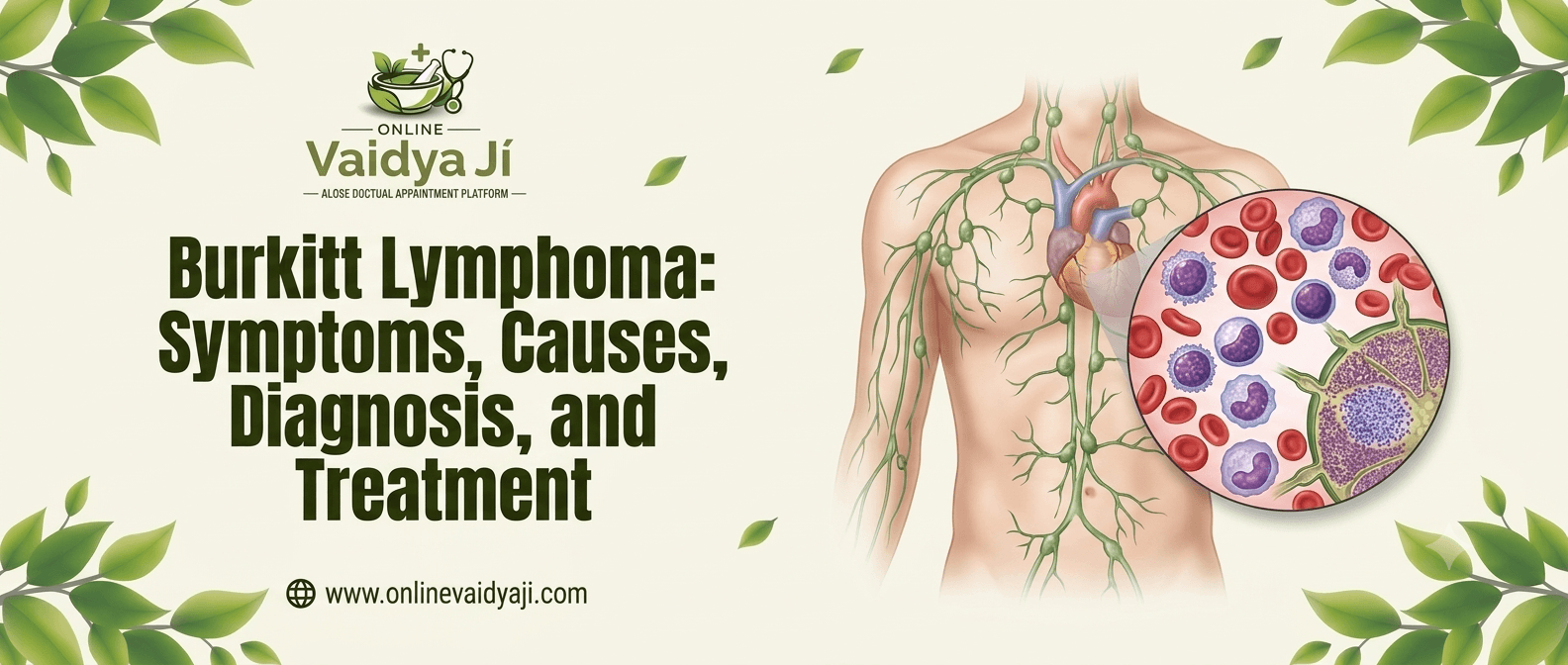
Burkitt lymphoma is an exceptionally fast-growing and aggressive form of non-Hodgkin lymphoma that originates in B-lymphocytes—a vital type of white blood cell responsible for producing infection-fighting antibodies.
First identified by British surgeon Denis Burkitt in 1958 among children in equatorial Africa, this malignancy is characterized by rapid cellular proliferation. Despite its aggressive nature, modern advancements in combination therapies have made Burkitt lymphoma one of the most highly curable forms of blood cancer, particularly when caught in its early stages.
The disease primarily affects the lymphatic system, but can swiftly involve extrapancreatic or extranodal sites, including the bone marrow, central nervous system, and abdomen.
Understanding the Types of Lymphoma and Burkitt Lymphoma
When exploring malignant disorders of the immune system, edical professionals categorize them broadly into Hodgkin lymphoma and non-Hodgkin lymphoma, with Burkitt lymphoma classified under the aggressive non-Hodgkin category. Within this classification, epidemiologists divide the condition into three distinct clinical variants:
- Endemic Variant: Most frequently found in equatorial Africa and heavily associated with the Epstein-Barr virus (EBV) and chronic malaria infection. It typically presents as a tumor of the jaw or facial bones in pediatric populations.
- Sporadic Variant: Seen worldwide, including in Western nations, accounting for the majority of non-African cases. This variant commonly manifests as an abdominal mass and affects children and young adults.
- Immunodeficiency-Associated Variant: Strongly linked to immunocompromised states such as HIV/AIDS or immunosuppressive therapy following organ transplantation.
| Clinical Variant | Primary Geographic Region | Common Presentation | Associated Risk Factors |
| Endemic | Equatorial Africa | Jaw or facial bone tumors | Epstein-Barr virus, Chronic Malaria |
| Sporadic | Worldwide (Western countries) | Abdominal mass / bowel obstruction | Genetic mutations (c-MYC translocation) |
| Immunodeficiency | Global | Generalized lymphadenopathy | HIV/AIDS, Post-transplant immunosuppression |
Key Burkitt Lymphoma Symptoms to Watch For
Burkitt lymphoma symptoms vary depending on the specific clinical variant and the anatomical location of the tumor, frequently presenting as rapidly expanding lymph nodes or severe abdominal discomfort. Because cancer cells multiply at an exponential rate, clinical signs manifest and escalate over a matter of weeks.
Common clinical manifestations include:
- Painless Swelling: Noticeable enlargement of lymph nodes, particularly in the neck, underarms, or groin (sporadic and immunodeficiency types), or facial/jaw swelling (endemic type).
- Abdominal Distress: Severe abdominal pain, cramping, bloating, nausea, vomiting, or bowel obstruction resulting from rapid tumor growth in the gut.
- “B” Symptoms: Systemic signs including unexplained high fevers, drenching night sweats that soak bedding, and rapid, unintentional weight loss.
- Fatigue and Weakness: Generalized exhaustion resulting from bone marrow crowding or anemia.
Recognizing these warning signs early is critical for initiating timely medical intervention.
Primary Burkitt Lymphoma Causes and Risk Factors
The fundamental trigger driving Burkitt lymphoma causes is a specific genetic rearrangement involving chromosome 8, which dysregulates the c-MYC proto-oncogene and causes uncontrolled cell replication.
While the exact molecular cascade varies across cases, major underlying triggers and compounding risk factors include:
- Chromosomal Translocations: In virtually all cases of Burkitt lymphoma, a segment of chromosome 8 swaps places with chromosome 14 (or less commonly, chromosome 2 or 22). This translocation places the c-MYC gene next to an active immunoglobulin gene promoter, driving relentless cell division.
- Epstein-Barr Virus (EBV) Infection: EBV is detected in nearly 100% of endemic cases, roughly 30% of sporadic cases, and about 40% of immunodeficiency-associated cases. The virus alters B-cell regulation, creating a fertile ground for malignant transformation.
- Compromised Immune Systems: Individuals living with HIV/AIDS or patients taking immunosuppressive medications post-organ transplant face a heightened vulnerability.
- Geographic and Environmental Influences: Living in regions where malaria is endemic increases children’s susceptibility by chronically over-stimulating the immune system.
How is Burkitt Lymphoma Diagnosed?
Diagnosing Burkitt lymphoma requires a multidisciplinary evaluation combining a surgical lymph node biopsy, advanced imaging studies, and comprehensive laboratory pathology. Because the disease progresses rapidly, diagnostic protocols are performed urgently to determine staging and guide therapy.
Standard diagnostic procedures include:
- Excisional Biopsy: Removing all or part of an affected lymph node or mass to examine cellular architecture under a microscope.
- Histopathology and Flow Cytometry: Analyzing tissue samples for hallmark “starry sky” histological patterns and specific surface markers characteristic of malignant B-cells.
- Molecular Testing: Identifying the c-MYC genetic translocation using fluorescence in situ hybridization (FISH).
- Imaging Scans: Utilizing CT scans, MRI, or PET scans to assess tumor burden across the chest, abdomen, and pelvis.
- Bone Marrow Aspiration and Lumbar Puncture: Checking whether the cancer has invaded the bone marrow or cerebrospinal fluid surrounding the central nervous system.
Overview of Burkitt Lymphoma Treatment Options
Burkitt lymphoma treatment relies heavily on intensive, short-course combination chemotherapy regimens designed to eradicate rapidly dividing cancer cells while monitoring for metabolic complications. Unlike many indolent lymphomas, “watch-and-wait” approaches are never used.
Key treatment modalities include:
- Intensive Combination Chemotherapy: Multi-agent chemotherapy protocols (such as CODOX-M/IVAC or DA-EPOCH-R) serve as the cornerstone of therapy, targeting fast-replicating malignant cells.
- Immunotherapy: Monoclonal antibodies like rituximab are frequently integrated into chemotherapy regimens to target specific proteins on B-cells, boosting targeted destruction.
- Central Nervous System (CNS) Prophylaxis: Because Burkitt lymphoma tends to spread to the spinal fluid, chemotherapy drugs (like methotrexate) are delivered directly into the cerebrospinal fluid or administered at high intravenous doses to protect the brain.
- Supportive Care and Tumor Lysis Monitoring: Aggressive hydration and medications such as rasburicase are vital to manage tumor lysis syndrome—a potentially dangerous metabolic imbalance caused by the rapid breakdown of dying cancer cells.
Potential Complications of Burkitt Lymphoma
Due to its accelerated growth rate, Burkitt lymphoma can trigger severe physiological complications before or during therapy. These are categorized into tumor-related, patient-related, and treatment-related challenges:
- Tumor Lysis Syndrome (TLS): Occurs when massive numbers of cancer cells burst simultaneously, flooding the bloodstream with uric acid, potassium, and phosphates, which can precipitate acute kidney injury.
- Organ Compression: Rapidly expanding masses in the abdomen or chest can obstruct the bowels, compress airways, or impair major blood vessels.
- Chemotherapy Side Effects: Intensive treatment regimens frequently cause temporary hair loss, severe immune suppression, mouth sores, and elevated infection risks, requiring close clinical oversight.

Conclusion
Burkitt lymphoma is an aggressive and fast-moving form of non-Hodgkin lymphoma that requires immediate medical attention and rapid diagnostic evaluation. Although a diagnosis can feel overwhelming due to how quickly symptoms like painless swelling and severe abdominal discomfort develop, modern medical advancements have dramatically reshaped the outlook for patients. Through intensive combination chemotherapy, targeted immunotherapy, and proactive care to prevent complications like tumor lysis syndrome, Burkitt lymphoma remains one of the most highly treatable and curable blood cancers today.
Frequently Asked Questions (FAQs)
Is Burkitt lymphoma completely curable?
Yes. Thanks to modern high-intensity chemotherapy regimens, Burkitt lymphoma is one of the most curable aggressive lymphomas. Cure rates exceed 80% to 90% in children and young adults when diagnosed and treated promptly.
What is the primary difference between Hodgkin and non-Hodgkin lymphoma?
The key distinction lies in the type of abnormal lymphocytes present. Hodgkin lymphoma is characterized by the presence of abnormal Reed-Sternberg cells, whereas non-Hodgkin lymphomas—including Burkitt lymphoma—lack these cells and originate from different B-cell or T-cell pathways.
Can lifestyle changes prevent Burkitt lymphoma?
Because the primary drivers of Burkitt lymphoma are genetic translocations and viral triggers (like EBV or HIV), there are no guaranteed lifestyle preventive measures. However, practicing safe behaviors to avoid HIV transmission and effectively treating malaria in endemic regions help lower overall risk.
Burkitt lymphoma is recognized as one of the fastest-growing human tumors, with cancer cells often doubling in number every 24 to 48 hours
Because of this rapid growth rate, symptoms like abdominal swelling or painless jaw masses can expand noticeably within just a few days or weeks. Prompt medical evaluation and immediate initiation of chemotherapy are crucial upon diagnosis.
What is Tumor Lysis Syndrome (TLS) and why is it associated with Burkitt lymphoma?
Tumor Lysis Syndrome (TLS) is a potentially life-threatening metabolic emergency that occurs when large numbers of cancer cells break down rapidly, releasing their intracellular contents into the bloodstream. Because Burkitt lymphoma cells respond very quickly to chemotherapy, the sudden release of uric acid, potassium, and phosphorus can overwhelm the kidneys and heart. Healthcare teams manage this risk by providing aggressive intravenous hydration and medications like rasburicase before starting treatment.