

Colorectal cancer, commonly referred to as bowel cancer, is one of the most prevalent gastrointestinal malignancies worldwide. Understanding its underlying causes, recognizing subtle warning signs early, and navigating diagnostic procedures can significantly improve clinical outcomes and long-term survival rates.
What Is Colorectal Cancer?
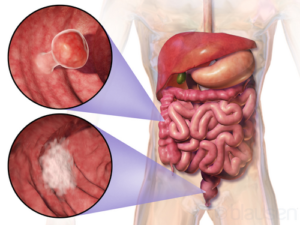
Colorectal cancer is a malignant disease that originates in the tissues of the colon or the rectum, which together make up the large intestine. The condition typically begins as non-cancerous growths called polyps on the inner lining of the bowel. Over time, certain types of polyps—specifically adenomas—can undergo genetic mutations, transforming into malignant tumors that can invade surrounding tissues or metastasize to distant organs.
Bowel Cancer Symptoms
Early-stage colorectal cancer frequently presents with minimal or entirely absent warning signs, making routine screening vital. As the tumor progresses, several clinical manifestations commonly appear:
- Persistent Changes in Bowel Habits: Unexplained, ongoing bouts of diarrhea, constipation, or alternating bowel habits lasting more than a few days.
- Rectal Bleeding: Visible bright red blood in the stool, dark or black tarry stools, or rectal bleeding during bowel movements.
- Abdominal Discomfort: Recurrent cramps, gas pain, persistent bloating, or a general feeling of fullness.
- Incomplete Evacuation: A persistent sensation that the bowel has not emptied completely after passing stool.
- Unexplained Weight Loss & Fatigue: Rapid, unintentional weight loss accompanied by chronic weakness or anemia caused by slow, ongoing blood loss.
- Narrowed Stools: Stools that appear noticeably thinner or pencil-like in consistency.
Quick Summary: Persistent bowel habit changes, unexplained rectal bleeding, and chronic fatigue are critical warning signs that warrant prompt medical evaluation by a gastroenterologist or primary care physician.
Causes of Bowel Cancer
Colorectal cancer develops when cumulative genetic mutations alter the normal DNA sequence within the epithelial cells lining the large intestine. These cellular changes override normal programmed cell death (apoptosis) and trigger uncontrolled cellular proliferation. Key underlying drivers include:
- Inherited Genetic Syndromes: Germline mutations passed down through families account for a small percentage of cases. Conditions such as Lynch syndrome (HNPCC) and Familial Adenomatous Polyposis (FAP) drastically elevate lifetime cancer risk.
- Chronic Intestinal Inflammation: Long-standing inflammatory bowel diseases (IBD), such as ulcerative colitis or Crohn’s colitis, create a chronic inflammatory microenvironment that promotes cellular dysplasia over time.
- Acquired Somatic Mutations: Spontaneous DNA errors accumulate throughout a person’s life due to environmental exposures, dietary carcinogens, and cellular aging.
Risk Factors for Bowel Cancer
While anyone can develop colorectal cancer, specific lifestyle, genetic, and environmental factors increase an individual’s susceptibility:
- Advancing Age: Risk increases sharply after the age of 50, though diagnoses among younger adults are rising.
- Family History: Having a first-degree relative (parent, sibling, or child) diagnosed with colorectal cancer or advanced adenomatous polyps.
- Dietary Habits: Diets high in red meats and ultra-processed meats combined with a low intake of dietary fiber, fruits, and vegetables.
- Lifestyle Factors: Sedentary behavior, chronic tobacco use, excessive alcohol consumption, and obesity.
Colorectal Cancer Diagnosis
Accurate detection and staging require a multimodal clinical approach combining patient history, laboratory testing, and advanced visualization techniques.
- Stool-Based Tests: Fecal Immunochemical Tests (FIT) detect microscopic, hidden blood in stool samples, flagging individuals who require further diagnostic evaluation.
- Colonoscopy & Sigmoidoscopy: Direct visualization of the entire colon and rectum via a flexible, lighted scope equipped with a camera. This gold-standard procedure allows clinicians to identify, biopsy, or completely remove precancerous polyps in real time.
- Biopsy Analysis: Tissue samples retrieved during endoscopy are examined under a microscope by pathologists to confirm malignancy, tumor grade, and molecular characteristics.
- Imaging Modalities: Computed Tomography (CT) scans of the chest, abdomen, and pelvis, alongside Magnetic Resonance Imaging (MRI), evaluate the primary tumor’s depth and detect any metastatic spread.
Colorectal Cancer Treatment Options
Treatment strategies vary based on the cancer’s anatomical location, histological grade, clinical stage, and the patient’s overall health status.
| Treatment Modality | Description & Clinical Application | Common Examples |
| Surgical Resection | Primary curative approach involving the physical removal of the malignant tumor along with adequate margins of healthy surrounding tissue and regional lymph nodes. | Hemicolectomy, low anterior resection, or endoscopic mucosal resection (EMR) for early polyps. |
| Chemotherapy | Systemic administration of pharmaceutical agents to destroy rapidly dividing cancer cells, applied adjuvantly post-surgery or neoadjuvantly to shrink advanced tumors. | Oxaliplatin, capecitabine, 5-fluorouracil (5-FU), and leucovorin. |
| Radiation Therapy | High-energy X-ray beams directed at tumor sites to eliminate cancer cells, primarily utilized for rectal cancers to reduce local recurrence risks. | External beam radiation therapy (EBRT) and brachytherapy. |
| Targeted Therapy & Immunotherapy | Precision biological treatments that target specific molecular pathways, proteins, or immune checkpoints utilized by cancer cells to survive and proliferate. | Monoclonal antibodies (e.g., bevacizumab, cetuximab) and checkpoint inhibitors. |

Conclusion
Colorectal cancer remains a major global health concern, but understanding its early warning signs, recognizing genetic and lifestyle risk factors, and committing to timely medical screening can drastically alter clinical outcomes. Because early-stage bowel cancer often develops silently without obvious symptoms, prioritizing proactive health measures—such as routine colonoscopies, maintaining an active lifestyle, and eating a fiber-rich diet—is essential. By staying informed about colorectal cancer, recognizing persistent digestive changes early, and seeking prompt medical evaluation, individuals can empower themselves to protect their long-term digestive health and significantly improve survival rates.
Frequently Asked Questions (FAQs)
What is the primary cause of colorectal cancer?
Colorectal cancer does not have a single definitive cause. It develops when normal mucosal cells in the colon or rectum accumulate genetic mutations—either inherited or acquired over time—that prompt them to grow uncontrollably, ultimately forming polyps and cancerous tumors.
What are the earliest warning signs of bowel cancer?
Early stages often present with no symptoms. However, as the disease advances, subtle warning signs include persistent changes in bowel habits (diarrhea or constipation), rectal bleeding or blood in the stool, unexplained abdominal cramping, chronic fatigue, and unexplained weight loss.
How is colorectal cancer diagnosed?
Diagnosis typically involves a combination of clinical history evaluation, stool tests (such as FIT), blood tests for tumor markers like CEA, and visualization procedures like a colonoscopy accompanied by a tissue biopsy for definitive confirmation.
Can colorectal cancer be prevented?
While not all cases can be prevented, risk can be significantly minimized by maintaining a fiber-rich diet, limiting red and processed meats, engaging in regular physical activity, avoiding tobacco and excessive alcohol, and undergoing routine screening colonoscopies starting at age 45 (or earlier for high-risk individuals).