
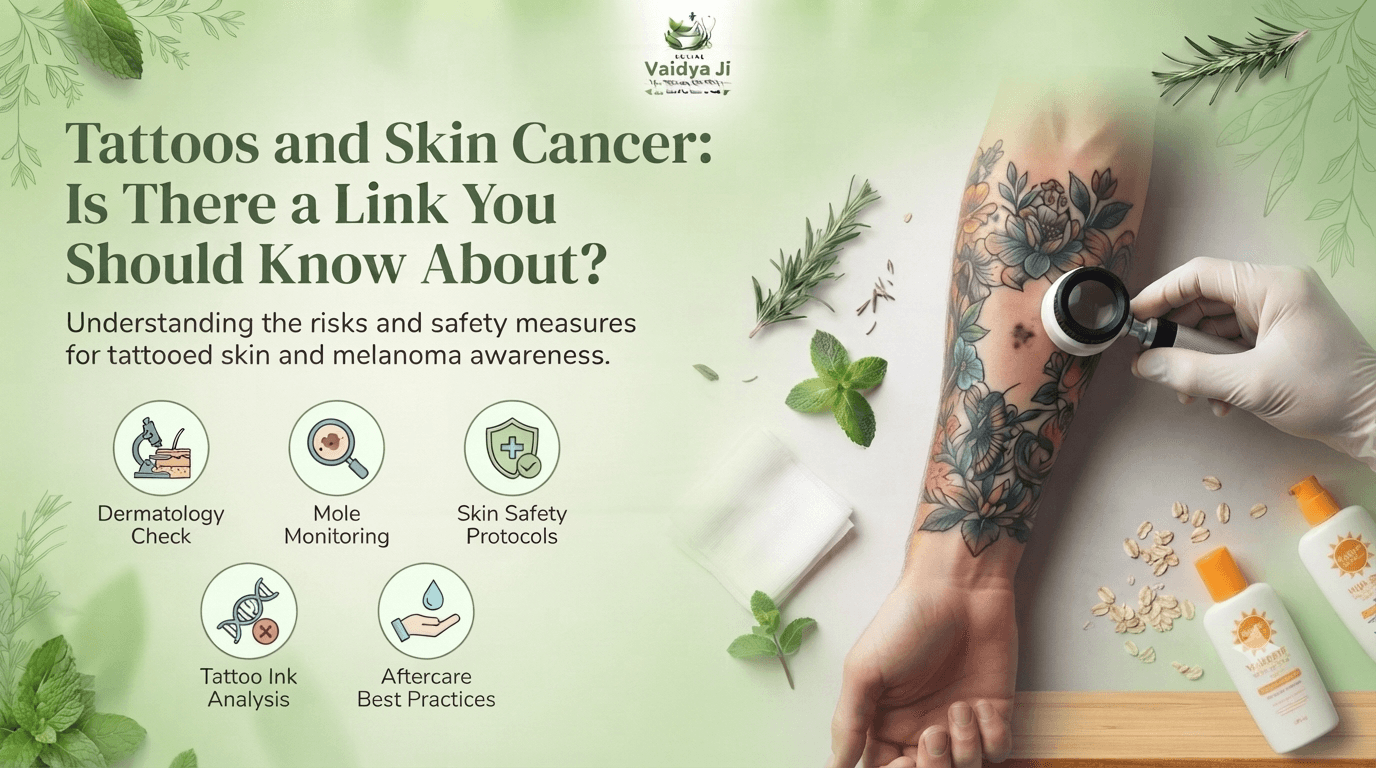
Body art has transformed from a subculture statement into a mainstream canvas of self-expression. Yet, alongside this surge in popularity, a lingering health question frequently surfaces: Is there a connection between tattoos and skin cancer?
With millions of individuals adorning their skin with vibrant pigments, understanding the biological interaction between ink and human tissue is more critical than ever. Whether you are planning your first piece or looking closely at existing ink, separating medical facts from urban myths helps safeguard your long-term wellness.
Understanding the Relationship: Can Tattoos Cause Cancer?
Direct Answer: Currently, scientific research does not show a direct, proven causal link proving that getting tattoos causes cancer. However, medical researchers continue to investigate the long-term biological effects of foreign chemical pigments introduced deep into human skin tissue.
When a tattoo is applied, specialized needles deposit ink particles into the dermis—the thick layer of skin beneath the outer epidermis. Because the body recognizes these foreign pigments as invaders, immune cells interact with the ink continuously. While standard epidemiological data does not label tattooing as a direct carcinogen, the chemical composition of certain pigments has sparked ongoing dermatological studies worldwide.
How Does Tattoo Ink Interact with the Body?
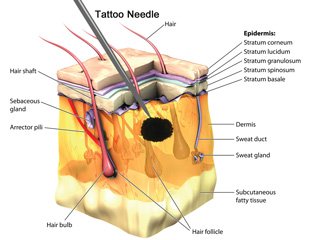
Once ink settles into the dermis, it does not always stay completely stationary. While many pigment molecules remain locked inside dermal cells or localized scar tissue, others can migrate through the lymphatic system.
- Lymphatic Migration: Microscopic pigment particles can travel via lymphatic channels and accumulate inside nearby lymph nodes.
- Chronic Immune Response: The ongoing presence of foreign dyes can trigger low-grade chronic inflammation, tissue fibrosis, or small immune nodules known as granulomas.
- Ultraviolet Breakdown: Exposure to solar ultraviolet (UV) radiation or laser treatments can break down complex chemical components in tattoo ink, potentially altering their molecular structure.
Read More Blog : Red Spots on Skin: Common Causes, Symptoms, and When to Seek Medical Help
Is There a True Risk from Tattoo Ink Skin Cancer Connections?
Direct Answer: While individual case studies have documented skin malignancies developing over or inside inked areas, experts emphasize that correlation does not automatically equal causation.
Modern research highlights that various commercial pigments contain complex chemical compounds, including heavy metals and polycyclic aromatic hydrocarbons (PAHs). Some of these substances are classified as potential irritants or suspected toxins.
Chemical Profile and Potential Impact
| Component Type | Common Sources in Inks | Potential Biological Effect |
| Heavy Metals | Cobalt, mercury, cadmium, lead | Can cause localized allergic inflammation and chronic immune reactions. |
| PAHs (Polycyclic Aromatic Hydrocarbons) | Carbon black and organic pigments | Suspected chemical compounds under review for potential cellular interaction. |
| Azo Compounds | Red, yellow, and orange azo dyes | May break down when exposed to intense UV rays or laser removal sessions. |
Despite these findings, comprehensive large-scale population studies are still necessary to fully understand whether these trace chemicals influence long-term oncological risks.
Can Tattoos Hide Skin Cancer?
Direct Answer: Yes, tattoo ink can significantly obscure early visual changes in the skin, making it much harder to detect dangerous conditions like melanoma in their earliest, most treatable stages.
When a tattoo covers the skin, it masks natural pigment variations. This visual barrier presents distinct clinical challenges:
- Concealed Moles: A dark or colorful pattern can hide changes in a mole’s border, asymmetry, or color variation.
- Masked Early Lesions: New growths, bleeding spots, or textural changes can blend seamlessly into complex tattoo artwork.
- Diagnostic Complications: Pathologists and dermatologists may face increased difficulty evaluating skin biopsy samples when dense pigment fields distort cellular visibility.
Risks of Tattooing Over Moles
Getting a tattoo directly over pre-existing moles or pigmented birthmarks is strongly discouraged by dermatologists. Moles require regular visual monitoring for shifts in shape, size, or color—the primary warning signs of melanoma. Inking over these spots essentially creates a blind spot on your skin, delaying vital professional diagnoses if atypical cellular changes occur.
Comprehensive Safety Comparison: Tattoos vs. Clear Skin
| Evaluation Metric | Tattooed Skin Areas | Unaltered Natural Skin |
| Visual Monitoring | Obstructed by dense pigment, complicating self-exams for moles. | Highly visible; changes in texture and color are easily spotted. |
| Infection Risk | Higher initial risk during the healing phase due to skin barrier disruption. | Standard baseline risk. |
| UV Interaction | Potential breakdown of complex pigments under intense sunlight. | Standard physiological response to UV radiation. |
| Dermatological Evaluation | Biopsies and visual checkups require greater clinical precision. | Straightforward visual assessment and rapid dermatological diagnosis. |
Other Health Complications Associated with Tattoos
Beyond abstract cancer concerns, tattoos carry well-documented, short- and long-term dermatological side effects, particularly when hygiene protocols are compromised:
- Bacterial and Viral Infections: Unsterilized equipment can introduce pathogens, leading to staph infections or bloodborne viruses like hepatitis.
- Allergic Contact Dermatitis: Certain pigments—especially bright reds and greens—frequently trigger delayed immune-mediated rashes.
- Keloid Formation: Individuals prone to abnormal wound healing may develop raised, thick scars spreading past the original tattoo boundaries.
Read More Blog : Home Remedies for Whiteheads: 10 Natural Ways to Get Rid of Them
Practical Ways to Minimize Risks Before Getting Inked
If you decide to get body art, adopting a safety-first mindset reduces avoidable complications:
- Choose Licensed Studios: Verify that the establishment adheres to strict sterilization standards and uses single-use, disposable needles.
- Inquire About Ink Quality: Ask your artist about the brand and safety certifications of the pigments being used.
- Protect Your Skin: Avoid getting inked over moles, scars, or areas with active rashes or skin conditions.
- Practice Rigorous Aftercare: Follow professional cleaning and moisturizing guidelines meticulously to ensure proper skin barrier recovery.
- Consult a Dermatologist: If you have sensitive skin, a personal history of keloids, or a family history of skin malignancies, speak with a healthcare provider first.
When to Consult a Professional Dermatologist
While mild redness and swelling are normal during the initial healing phase, certain persistent symptoms require immediate medical evaluation:
- Worsening pain, spreading redness, or pus signaling an infection.
- The sudden appearance of hard nodules or firm bumps within the tattoo.
- Unusual changes in texture, bleeding, or color shifts in a mole or skin lesion located near or under the artwork.
Conclusion: Tattoos and Skin Cancer – Staying Informed and Protected
While current scientific evidence does not establish a direct causal link between tattoos and skin cancer, the interaction between complex ink pigments, the immune system, and ultraviolet radiation remains an active area of dermatological research. Choosing a licensed, sterile studio, avoiding sensitive areas like moles, and practicing diligent sun protection are essential steps to safeguard your long-term skin health. By staying vigilant, monitoring your body art regularly, and consulting a dermatologist for any unusual skin changes, you can safely enjoy self-expression while prioritizing your wellness.

Frequently Asked Questions (FAQs)
Can tattoo ink spread to the lymph nodes?
Yes. Clinical studies confirm that microscopic ink particles can detach from the dermis and travel through the lymphatic system, eventually accumulating inside nearby lymph nodes. While researchers frequently detect pigment there, long-term health implications continue to be studied.
Is it safe to get a tattoo if skin cancer runs in my family?
A family history of skin cancer does not strictly forbid you from getting a tattoo, but extra caution is required. Always consult a dermatologist for a professional skin check beforehand, and strictly avoid tattooing directly over moles or pigmented lesions that need ongoing monitoring.
Can laser tattoo removal cause cancer?
No. Current medical evidence indicates that laser tattoo removal procedures do not cause cancer. While removal lasers break down ink particles safely for the body to metabolize, the process can cause temporary side effects such as localized blistering, swelling, or scarring.
Can UV tattoos cause cancer?
There is currently no clear clinical proof that ultraviolet (UV) or blacklight reactive tattoos cause skin cancer. However, dermatologists note that some specialized UV-reactive inks contain complex chemical formulas that may break down or transform when exposed to intense sunlight or ultraviolet radiation. This breakdown can potentially generate chemical byproducts that irritate the surrounding tissue, which is why experts recommend applying broad-spectrum sunscreen over all tattooed areas.
Can you develop skin cancer directly inside an existing tattoo?
Yes, skin cancers such as melanoma and basal cell carcinoma can occasionally develop within or underneath tattooed skin. Because the cancer originates from normal skin cells (melanocytes or epidermal cells) rather than the ink itself, malignant growths can still form. The primary danger is that the dense pigments can obscure the visual warning signs—such as border irregularities or color shifts—often delaying timely diagnosis and treatment.