
Finding red spots on skin can be alarming, whether they appear suddenly overnight or develop gradually over weeks. Skin blemishes can stem from a wide variety of underlying triggers—ranging from harmless heat rashes and common insect bites to immune-mediated conditions and bacterial or viral infections.
Understanding what causes these lesions, recognizing associated symptoms, and knowing when to consult a healthcare professional are essential steps for protecting your skin health and overall well-being.
Common Causes of Red Spots on Skin
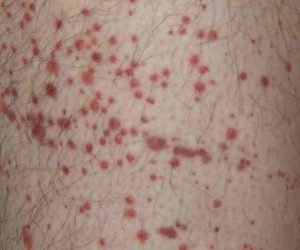
What causes red spots on the skin? Because skin is our body’s largest barrier against the environment, it reacts to internal and external triggers in diverse ways. Below are the most common culprits behind red dots on skin:
1. Environmental and Infectious Triggers
- Heat Rash (Miliaria): Occurs when sweat glands become blocked, trapping perspiration beneath the surface. This leads to small, red, itchy bumps often found in skin folds like the neck, armpits, and groin.
- Viral Infections: Conditions like chickenpox, shingles (caused by the varicella-zoster virus), and rubella (German measles) present with red spots, blotchy rashes, or fluid-filled blisters accompanied by fever and fatigue.
- Bacterial Infections: Impetigo (characterized by sores that rupture into yellowish crusts), scarlet fever (producing a fine, sandpaper-like texture), and MRSA staph infections cause localized redness, swelling, and pus-filled eruptions.
- Insect Bites: Fleabites, tick bites, and swimmer’s itch (cercarial dermatitis from water parasites) trigger localized, red, inflamed bumps or welts that are intensely itchy.
Read More Blog : Oily Skin: Effective Home Remedies and Skincare Tips to Control Excess Oil
2. Inflammatory and Autoimmune Skin Conditions
- Atopic Dermatitis (Eczema) & Seborrheic Eczema: Chronic inflammatory conditions that cause dry, red, itchy patches or flaky skin on the face, scalp, arms, and legs.
- Psoriasis: An autoimmune condition marked by raised, red, scaly patches covered with silvery-white scales, commonly appearing on the elbows, knees, and scalp.
- Keratosis Pilaris: A harmless genetic condition caused by excess keratin blocking hair follicles, resulting in tiny, rough, reddish bumps typically on the upper arms or thighs.
- Systemic Lupus Erythematosus (SLE): An autoimmune disorder that can produce a distinct, characteristic “butterfly” rash across the cheeks and nose after sun exposure.
- Lichen Planus: An inflammatory condition causing flat-topped, purplish-red, itchy papules or lesions.
3. Vascular Issues and Other Causes
- Petechiae and Purpura: Tiny pin-point red or purple spots (petechiae) or larger flat patches (purpura) caused by minor microvascular bleeding beneath the skin due to clotting disorders, medications, or infections.
- Cherry Angiomas: Harmless, bright red skin growths made up of clusters of capillaries, usually appearing with age.
- Contact Dermatitis & Drug Allergies: Allergic reactions triggered by touching irritants (like poison ivy or nickel) or reacting to medications (such as penicillin), resulting in red, itchy spots or hives.
- Acne Vulgaris and Rosacea: Common facial skin conditions resulting in red, inflamed pimples, cysts, or persistent redness and visible blood vessels.
Symptoms Associated with Red Spots on Skin
When evaluating red itchy patches on skin, dermatologists look closely at accompanying clinical features to narrow down the diagnosis:
- Itching (Pruritus): Ranging from mild irritation to severe discomfort, frequently seen in eczema, contact dermatitis, and insect bites.
- Pain and Tenderness: Common in infected lesions, deep cysts, shingles, or inflamed insect bites.
- Swelling and Inflammation: Often surrounds bacterial infections, allergic reactions, or trauma sites.
- Crusting, Scaling, or Oozing: Fluid-filled blisters or weeping sores point toward conditions like impetigo, severe eczema, or viral outbreaks.
Quick Comparison of Common Skin Spot Triggers
| Condition Type | Appearance & Texture | Common Location | Typical Triggers |
| Heat Rash | Small, red, prickly bumps | Neck, armpits, groin | Humidity, heavy sweating, tight clothing |
| Eczema | Red, dry, scaly patches | Arms, legs, neck, face | Dry skin, allergens, stress |
| Psoriasis | Raised red patches with silvery scales | Elbows, knees, scalp | Genetics, immune response, skin injury |
| Insect Bites | Swollen, red, itchy welts | Lower legs, exposed skin | Fleas, ticks, mosquitoes |
| Petechiae | Tiny pin-point red/purple dots | Widespread or localized | Microvascular bleeding, medications |
Research-Based Treatment Strategies
Effective management depends entirely on identifying the root cause of the blemishes. Consulting a dermatologist or healthcare provider ensures you receive an accurate diagnosis rather than relying on guesswork.
- Topical Treatments: Moisturizers and emollients manage dry, scaly skin in eczema and psoriasis. Topical corticosteroids or calcineurin inhibitors help reduce localized inflammation and immune-mediated flare-ups.
- Medications: Oral or topical antibiotics are prescribed for bacterial skin infections, while antiviral medications are essential for managing shingles or chickenpox outbreaks. Antihistamines help control severe allergic itching and contact dermatitis.
- Lifestyle & Preventive Care: Avoiding recognized triggers (such as specific allergens, harsh chemical soaps, or excessive sun exposure) and maintaining a gentle skin-care routine can drastically reduce recurring flare-ups.
Read More Blog : How to Use Glycerine for Skin: Benefits, Uses & Precautions
When to Seek Medical Help?
While many minor blemishes clear up on their own or with basic over-the-counter care, certain “red flag” symptoms require prompt medical evaluation. See a doctor immediately if you experience:
- Rapidly spreading redness, warmth, or severe swelling.
- High fever, chills, dizziness, or body aches accompanying the rash.
- Blisters that cover a large portion of your body or involve the eyes and mouth.
- Difficulty breathing or facial swelling (signs of a severe systemic allergic reaction or anaphylaxis).
- Pin-point red or purple spots (petechiae) that do not fade when pressed firmly with a glass (non-blanching rash), which can indicate a serious medical emergency.

Conclusion
Dealing with red spots on skin can be frustrating, but understanding the wide spectrum of potential triggers—ranging from simple heat rashes and insect bites to chronic conditions like eczema and psoriasis—empowers you to take control of your skin health. By paying close attention to associated symptoms, avoiding known irritants, and seeking timely medical advice for persistent or severe flare-ups, you can ensure proper care and long-term relief. Always consult a qualified dermatologist for an accurate diagnosis tailored to your specific skin needs.
Frequently Asked Questions (FAQs)
1. What do random red spots on the skin mean?
Random red spots can mean many things, ranging from harmless heat rashes and insect bites to allergic reactions, eczema, or viral infections. Because causes vary wildly, persistent or unexplained spots should be evaluated by a healthcare professional.
2. When should I worry about red patches on legs or body?
You should seek medical attention if the red patches are accompanied by a high fever, severe pain, rapid spreading, blistering, pus discharge, or if they turn into dark purple bruises that do not fade under pressure.
3. Can stress cause red itchy spots on the body?
Yes, emotional or physical stress can trigger or exacerbate inflammatory skin conditions like eczema, psoriasis, hives (urticaria), and rosacea, leading to new flare-ups of red, itchy spots.
4. How can I tell if my red spots are an allergy?
Allergic reactions (such as contact dermatitis or drug allergies) typically present with sudden red, itchy rashes, bumps, or hives shortly after exposure to a new soap, plant, chemical, or medication. If you suspect an allergy, consult an allergist or dermatologist for patch testing.
5. Are red spots on the skin contagious?
Whether red spots are contagious depends entirely on their underlying cause. Spots caused by viral infections (like chickenpox or shingles), bacterial infections (such as impetigo or MRSA), or fungal issues (like ringworm) can easily spread from person to person or across different areas of your body. Conversely, non-infectious conditions such as eczema, psoriasis, heat rash, allergies, and vascular spots are entirely non-contagious. If you notice a spreading rash, it is best to consult a doctor for a proper diagnosis.