

Delhi can’t breathe! Every winter, a thick, toxic grey haze blankets the National Capital Territory, pushing the air quality to hazardous extremes. What starts as a seasonal shift quickly turns into a public health emergency, leaving millions gasping for clean air, experiencing burning eyes, and struggling with severe respiratory discomfort.
Understanding the gravity of air pollution in Delhi requires looking closely at what triggers these spikes, how toxic air impacts your body, and the actionable steps you can take to stay safe.
Understanding Delhi AQI: What the Numbers Mean
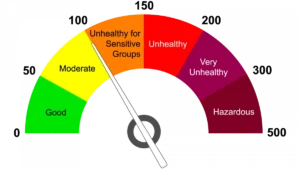
The Air Quality Index (AQI) in Delhi measures daily air cleanliness on a scale from 0 to 500+. During peak pollution seasons (typically October through February), Delhi’s AQI frequently leaps into the “Very Poor” (301–400), “Severe” (401–500), or “Hazardous” categories, meaning fine particulate matter (PM2.5 and PM10) heavily exceeds safe global standards.
The National AQI classifies air quality into six distinct bands:
- Good (0–50): Minimal impact.
- Satisfactory (51–100): Minor breathing discomfort to sensitive people.
- Moderate (101–200): Breathing discomfort for people with lung, heart disease, older adults, and children.
- Poor (201–300): Breathing discomfort to most people on prolonged exposure.
- Very Poor (301–400): Respiratory illness on prolonged exposure.
- Severe / Hazardous (401–500+): Affects healthy people and seriously impacts those with existing diseases.
What Triggers the Crisis? Core Delhi Pollution Causes
The severe accumulation of pollutants over the capital is rarely caused by a single source. Instead, it is a complex combination of geographical, seasonal, and anthropogenic factors.
1. Agricultural Stubble Burning
Following the harvest season in late autumn, farmers in neighboring states like Punjab and Haryana burn crop residue to clear fields quickly. Combined with north-westerly winds, massive plumes of smoke drift directly into Delhi, accounting for a significant share of peak-season particulate loading.
2. Vehicular Exhaust and Transportation Emissions
Delhi hosts a massive fleet of personal and commercial vehicles. Constant traffic congestion releases high volumes of nitrogen oxides (NOx) and carbon monoxide, which mix with stagnant winter air to trap pollution near the ground.
3. Industrial Activity and Thermal Power Plants
Industrial clusters surrounding the National Capital Region (NCR) and heavy diesel generator usage pump continuous sulfur dioxide and particulate matter into the atmosphere.
4. Construction Dust and Road Dust
Unpaved roads, large-scale real estate development, and infrastructure projects generate immense quantities of suspended dust particles that linger in the lower atmosphere.
5. Meteorological Factors (Winter Inversion)
As winter sets in, lower temperatures and drop in wind speed create a meteorological phenomenon called thermal inversion. Cold air traps warm, polluted air underneath a lid of dense fog, preventing pollutants from dispersing vertically.
The Hidden Toll: Severe Effects of Air Pollution on Health
Inhaling toxic air allows microscopic PM2.5 particles to bypass your respiratory filters, enter your bloodstream, and trigger systemic inflammation. This increases the risk of chronic cardiovascular disease, lung damage, and acute respiratory attacks.
The human body pays a steep price for prolonged exposure to toxic smog:
- Respiratory System: Chronic exposure causes persistent coughing, wheezing, bronchitis, and reduced lung capacity. It severely aggravates asthma and Chronic Obstructive Pulmonary Disease (COPD).
- Cardiovascular Health: Fine particles cause blood vessels to constrict, elevating blood pressure, accelerating plaque buildup, and raising the risk of heart attacks and strokes.
- Eye and Skin Irritation: High concentration of gaseous pollutants frequently leads to red, watery, itchy eyes, allergic skin reactions, and accelerated skin aging.
- Vulnerable Groups: Children—whose lungs are still developing—and senior citizens face disproportionately higher risks of cognitive and respiratory deficits. Pregnant women exposed to severe air pollution face higher risks of gestational complications and low birth weight.
Read More Blog : Aloe Vera for Face and Skin: Benefits, Uses and How to Apply It
How to Protect Yourself from Air Pollution: Practical Safety Measures
Navigating hazardous air days requires proactive behavioral changes. Implementing strict air pollution precautions can dramatically reduce your personal exposure index:
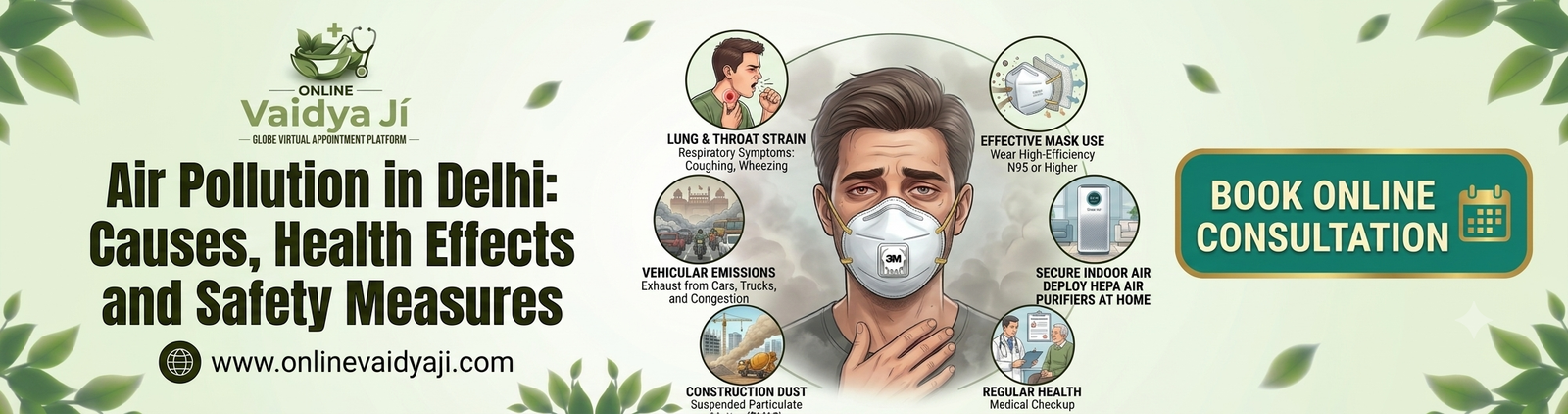
- Wear an N95 or N99 Respirator: Standard cloth or surgical masks do not block microscopic pollutants. Always wear a certified N95 or N99 mask properly sealed over your nose and mouth whenever you step outside.
- Invest in HEPA Air Purifiers: Keep indoor spaces clean by running air purifiers equipped with True HEPA filters in bedrooms and workspaces. Keep windows and doors tightly shut on high-pollution days.
- Modify Exercise Routines: Avoid high-intensity outdoor workouts or early morning jogs when pollutant concentrations peak near ground level. Switch to indoor gym workouts or home routines.
- Monitor the AQI Daily: Check real-time air quality tracking applications before planning outdoor errands or commutes.
- Improve Indoor Air Quality: Refrain from burning incense sticks, candles, or smoking indoors, as these activities compound indoor toxicity.
Safety Measures at a Glance
| Environment | Recommended Action | Why It Matters |
| Outdoors | Wear a fitted N95/N99 mask | Filters out harmful PM2.5 particulate matter before inhalation. |
| Indoors | Keep windows closed & use HEPA purifiers | Prevents outdoor smog from settling inside living and sleeping quarters. |
| Physical Activity | Shift workouts indoors, avoid early mornings | Heavy breathing during outdoor exercise pulls higher volumes of toxins deep into lung tissue. |
| Vulnerable Care | Keep children and seniors indoors | Protects developing respiratory systems and compromised cardiovascular health. |
Conclusion
Battling air pollution in Delhi requires a dual approach of awareness and proactive action. While long-term solutions depend on policy changes, industrial regulations, and sustainable agricultural practices, taking personal safety measures is your first line of defense. By monitoring daily AQI levels, wearing certified N95 masks outdoors, and purifying indoor air, you can significantly reduce health risks. Prioritize your respiratory health today—stay informed, take precautionary steps, and consult a medical professional if you experience persistent symptoms.
Frequently Asked Questions (FAQs)
What is the main cause of air pollution in Delhi?
Delhi’s air pollution stems from a mix of regional and local sources. Stubble burning in neighboring states during late autumn, dense vehicular emissions, industrial smoke, construction dust, and winter weather patterns that trap pollutants near the surface are primary contributors.
Which mask is effective against Delhi’s toxic smog?
Standard surgical or cloth masks are ineffective because they let microscopic particles pass through. An N95 or N99 respirator mask is essential because its specialized filtration layer blocks at least 95% to 99% of fine particulate matter (PM2.5).
How does air pollution affect children differently than adults?
Children breathe faster than adults and inhale more air relative to their body weight. Because their respiratory and immune systems are still developing, exposure to severe air pollution can stunt lung growth, cause chronic asthma, and impair cognitive development.
When are Delhi air pollution levels at their worst?
Air quality typically worsens significantly between October and February. During these winter months, low wind speeds, dropping temperatures, and thermal inversion trap local emissions alongside regional crop-burning smoke.