
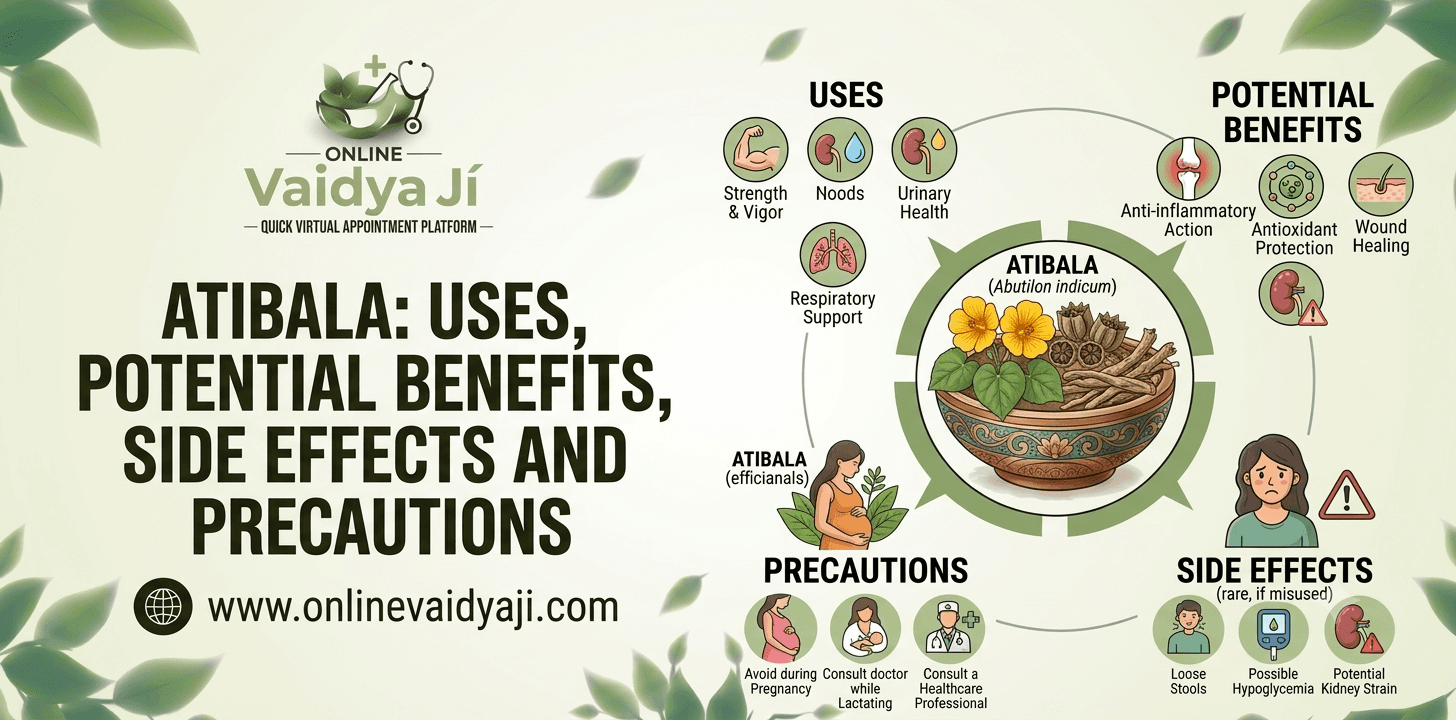
Known in traditional medicine as the “very powerful” herb, Atibala (Abutilon indicum), commonly known as Indian mallow, has been a cornerstone of Ayurvedic healing for centuries. From boosting physical strength and stamina to soothing inflammation and supporting metabolic health, every part of the plant—from its roots and leaves to its seeds and bark—holds therapeutic value.
What is Atibala?
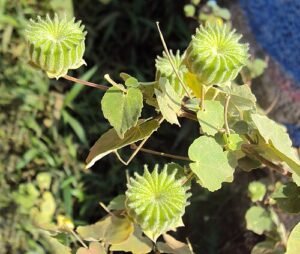
Atibala is a perennial shrub native to tropical and subtropical regions, widely recognized by its distinctive yellow flowers and heart-shaped leaves. In Ayurveda, it is classified as a powerful Balya (tonic that provides strength) and Rasayana (rejuvenator). It is primarily known to balance the Vata and Pitta doshas, making it a versatile remedy for joint discomfort, digestive imbalances, and low immunity.
Key Atibala Plant Benefits
1. Joint Health and Pain Relief
Atibala possesses notable anti-inflammatory and analgesic properties that help manage symptoms of arthritis, muscular spasms, and general body pain.
- How it helps: It reduces protein denaturation and protects tissues from oxidative stress, easing the stiffness and swelling associated with rheumatoid conditions.
2. Respiratory Support
The plant’s aerial parts are traditionally used to clear excess mucus and ease breathing difficulties associated with asthma, bronchitis, and chronic coughs.
- How it helps: Its expectorant and anti-inflammatory properties soothe the respiratory tract, reducing chest congestion and wheezing.
3. Digestive and Liver Health
Atibala supports a healthy gastrointestinal tract by regulating bowel movements, reducing acidity, and healing internal ulcers.
- How it helps: It stimulates digestive enzymes, acts as a mild laxative, and exhibits hepatoprotective properties that support liver detoxification and recovery from conditions like jaundice.
4. Immune and Energy Boost
As an effective adaptogen and immunomodulator, Atibala revitalizes the body at a cellular level.
- How it helps: It stimulates white blood cell production, neutralizes free radicals with rich antioxidants, and fights chronic fatigue to restore stamina.
Common Atibala Uses
Different parts of the Atibala plant are formulated into various traditional remedies:
- Leaves: Crushed into a paste or extract to heal skin ulcers, soothe toothaches, and manage wound infections. Leaf decoctions are also used as mouthwashes.
- Roots: Used as a cooling diuretic to manage urinary tract infections, urethritis, and kidney health.
- Seeds: Often utilized as a mild laxative for piles, a demulcent for coughs, and an aphrodisiac to support male reproductive health.
Read More : Foods to Fight Fatigue: 10 Healthy Foods to Boost Energy Naturally
Quick Comparison: Plant Parts and Their Traditional Uses
| Plant Part | Primary Traditional Use | Main Therapeutic Property |
| Leaves | Wound healing, toothache relief, skin ulcers | Anti-inflammatory, antibacterial, Ropan (healing) |
| Roots | Urinary disorders, fever, reducing burning sensations | Diuretic, cooling agent, demulcent |
| Seeds | Relieving piles, coughs, and supporting vitality | Laxative, expectorant, aphrodisiac |
| Bark | Managing bowel irregularities and internal inflammation | Astringent, anthelmintic |
Atibala Side Effects and Potential Risks
While Atibala is natural and generally safe when used appropriately, improper or excessive consumption can lead to side effects:
- Hypoglycemia Risk: Because it influences glucose metabolism, combining it with conventional anti-diabetic medications may cause blood sugar levels to drop too low.
- Diuretic Interactions: Its natural diuretic nature can interact with prescription water pills, leading to excessive fluid or electrolyte shifts.
- Gastrointestinal Upset: High doses without proper guidance may cause mild stomach discomfort or loose stools.
Important Precautions to Keep in Mind
- Pregnancy and Lactation: There is insufficient clinical data regarding the safety of Atibala during pregnancy or breastfeeding; avoid use unless explicitly recommended by an Ayurvedic physician.
- Children: Safety parameters for pediatric use have not been extensively established; consult a pediatrician before administering.
- Professional Guidance: Always consult a qualified healthcare practitioner or Ayurvedic expert to determine the correct dosage suited to your health profile.
Conclusion
Integrating Atibala benefits into a balanced wellness routine offers a time-tested, natural approach to strengthening immunity, relieving joint discomfort, and supporting digestive and respiratory health. Whether used as a soothing herbal decoction, a revitalizing powder, or a topical paste, this versatile Ayurvedic herb lives up to its reputation as a true restorative tonic.
However, like any potent botanical remedy, getting the most out of Atibala requires mindful consumption. Always adhere to recommended dosages, watch out for potential medication interactions, and consult a qualified Ayurvedic practitioner or healthcare provider before adding it to your daily regimen.
Frequently Asked Questions (FAQs)
1. Can Atibala help with joint pain and arthritis?
Yes, Atibala is traditionally valued for its potent anti-inflammatory and analgesic qualities. It helps mitigate pain and reduce swelling associated with rheumatoid conditions and joint stiffness.
2. How is Atibala typically consumed?
Atibala is available in various forms, including fine powders (churna), capsule extracts, and liquid decoctions (kwath). Topical pastes made from leaf powder mixed with oils like coconut oil are also used externally for skin conditions and wounds.
3. Are there any side effects of using Atibala?
Atibala is generally well-tolerated in moderate amounts. However, excessive doses can cause digestive issues. Individuals taking medications for diabetes or hypertension should exercise caution and consult a doctor, as it can interact with these drugs.
4. Does Atibala support kidney and urinary health?
Yes, the root and seed extracts of Atibala act as natural diuretics, promoting healthy urine output, cooling the urinary tract, and helping flush out toxins to maintain optimal kidney function.
5. Does Atibala help with respiratory issues like cough and asthma?
Yes, Atibala has a long-standing traditional use as a natural expectorant and anti-inflammatory herb. Its active components help soothe the respiratory tract, loosen accumulated mucus, and ease breathing difficulties associated with seasonal coughs, bronchitis, and asthma.