
Watching your little one deal with a stuffy nose, persistent coughing, and general fussiness can be deeply stressful for any parent. Because infants have immature immune systems, they can catch several viral colds every year, especially during cooler months. When looking for safe home remedies for cold in babies, parents want guidance that is both clinically reliable and completely safe. While most common colds resolve on their own within one to two weeks, implementing the right supportive care can drastically improve your baby’s comfort while their immune system naturally fights off the virus.
Understanding Common Cold Symptoms in Infants
What are the primary signs that a baby has caught a cold?
Colds in infants typically develop gradually over a couple of days following exposure to a virus. The most common symptoms include:
- A clear, watery, or whitish runny nose
- Nasal congestion causing noisy breathing
- Mild sneezing and a dry or hacking cough
- A low-grade fever (below 101.5°F or 38.5°C)
- Reduced appetite and increased fussiness
Because babies naturally breathe primarily through their noses, even mild nasal congestion can make nursing or bottle-feeding challenging. It is also important to differentiate a standard cold from influenza: the flu usually strikes suddenly with high fevers and severe body aches, whereas a cold develops slowly and leaves babies with enough energy to play intermittently between resting periods.
What Causes Colds in Babies and Young Children?
Why do infants catch colds so frequently?
Common colds are caused by over two hundred different strains of viruses, with rhinoviruses being the most frequent culprits. Infants and toddlers catch them easily due to specific developmental and environmental factors:
- Immature Immunity: Young children have not yet built up antibodies against the vast array of circulating cold viruses.
- Household Exposure: Older siblings frequently bring germs home from school or play areas, easily transmitting them to infants.
- Daycare Settings: Close contact with other children in group settings significantly increases viral exposure.
- Surface Transmission: Cold viruses can survive on hard surfaces and toys for hours. When a baby touches a contaminated object and then rubs their eyes or nose, infection occurs.
Safe and Effective Home Remedies for Cold in Babies
What are the best natural and non-medical ways to relieve a baby’s cold symptoms?
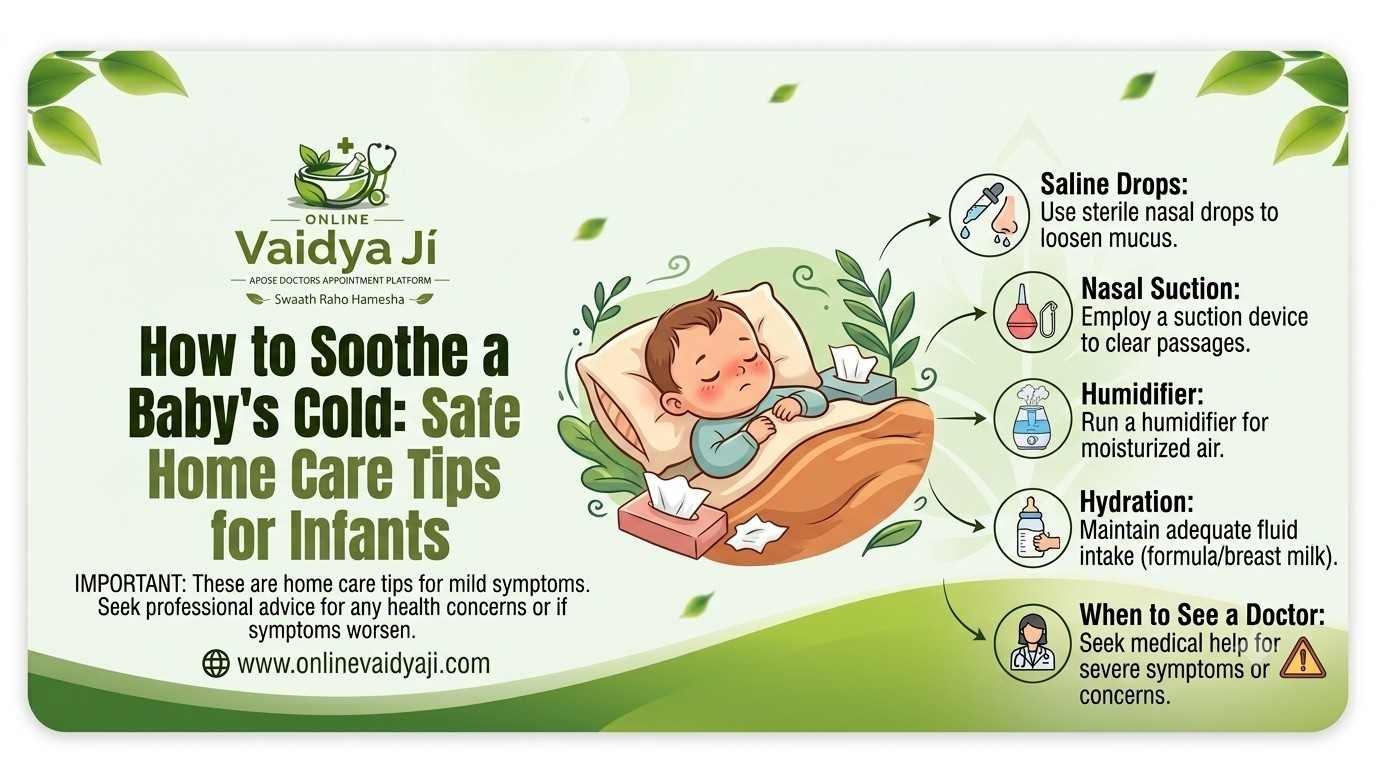
When searching for trusted home remedies for cold in babies, pediatricians generally recommend focusing on clearing airway blockages and keeping the infant hydrated rather than relying on medications. Here are the most reliable, doctor-approved methods:
1. Saline Nasal Drops and Sprays
Saline drops consist of simple sterile saltwater solution. Putting one or two drops into each nostril thins out thick mucus, making it much easier for the baby to breathe. Expert Tip: Administer saline drops just two to three minutes before a feeding so the baby’s nasal passages are completely clear while they nurse or take a bottle without gasping.
2. Gentle Nasal Suctioning
After applying saline drops, use a clean rubber bulb syringe or a specialized nasal aspirator to gently remove loosened mucus. Be careful not to insert the tip too far into the nostril or suction too aggressively, as this can irritate or swell the delicate nasal lining. Limit suctioning to a few times a day to prevent inflammation.
3. Cool-Mist Humidifiers and Vaporizers
Placing a clean cool-mist humidifier in your baby’s nursery adds vital moisture to the air, helping to soothe inflamed nasal passages and loosen chest congestion. Avoid warm-mist vaporizers, as they pose a serious burn hazard and can worsen nasal swelling. Ensure the humidifier is meticulously cleaned daily to prevent mold and bacterial growth.
4. Adequate Hydration and Rest
For older children, traditional home remedies for cold for kids often include warm broths or herbal teas. However, for infants under six months, exclusive breastfeeding or formula feeding is paramount. Adequate fluid intake prevents dehydration and keeps respiratory secretions thin and easy to clear. When exploring various infant cold remedies, ensuring your baby gets plenty of uninterrupted sleep is one of the most powerful healing tools available.
Read More Blog : Can Salt Water Gargling Help with Sore Throat and Gum Health?
What to Know About Cough and Cold Medicine for Infants
Is it safe to give over-the-counter medication to a sick infant?
Parents often wonder whether they can purchase a standard cough and cold medicine for infants or an over-the-counter cold syrup for babies from their local pharmacy. Major health organizations, including the U.S. Food and Drug Administration (FDA) and pediatric medical associations, strongly advise against giving over-the-counter cough and cold medications to children under four years old.
These pharmaceutical products can lead to serious, life-threatening side effects, accidental overdosing, and lack proven efficacy in young infants. Always consult your pediatrician before administering any medication, fever reducer, or herbal drop to a baby.
Essential Home Care Tips to Comfort Your Baby
To make your little one as comfortable as possible during recovery, focus on soothing environmental adjustments and daily routines:
- Elevate the Crib Mattress Safely: If approved by your pediatrician, placing a firm, folded towel underneath the mattress head (never use loose pillows, blankets, or wedge positioners) can help promote natural nasal drainage.
- Warm Bathroom Steam: Sit with your baby in a comfortably steamy bathroom for 10 to 15 minutes with the shower running. The warm moisture helps open up congested airways and eases nighttime coughing.
- Frequent Small Feedings: Offer breast milk or formula in smaller, more frequent amounts if your baby gets tired easily during feeding sessions due to congestion.
| Care Strategy | Purpose / Benefit | Best Practice |
| Saline Drops | Thins thick nasal mucus | Use 2–3 drops right before feeding |
| Nasal Aspirator | Clears mucus from nasal passages | Use gently, limited to a few times daily |
| Cool-Mist Humidifier | Adds room moisture, eases breathing | Clean daily to prevent mold buildup |
| Frequent Fluids | Prevents dehydration, thins secretions | Breast milk or formula on demand |
Practical Tips to Prevent Colds in Infants
While you cannot shield your baby from every germ in the environment, proactive household habits significantly lower the risk of infection:
- Strict Hand Hygiene: Always wash your hands thoroughly with soap and water for at least 20 seconds before handling your baby, changing diapers, or preparing bottles.
- Limit Visitors: Keep newborns away from individuals showing any signs of coughing, sneezing, or viral illness, especially during fall and winter peak seasons.
- Sanitize Toys: Regularly wash and disinfect toys that your baby puts in their mouth.
- Encourage Family Etiquette: Teach older children and family members to cough or sneeze into their inner elbow rather than their hands.
When to Seek Immediate Medical Attention
Most infant colds resolve smoothly with supportive care at home. However, you must contact a pediatrician or seek emergency medical care immediately if your baby exhibits any of the following warning signs:
- Difficulty breathing, rapid breathing, or retractions (skin pulling in tightly around the ribs, collarbone, or neck).
- A bluish tint around the lips, mouth, or fingernails.
- A rectal fever of 101.5°F (38.5°C) or higher in infants under 3 months old, or any persistent high fever in older babies.
- Persistent refusal to feed, signs of dehydration (fewer wet diapers, dry mouth), or inconsolable, extreme irritability.
- A cough that worsens after a week or is accompanied by ear-pulling, pus discharge from the ear, or wheezing.
Conclusion
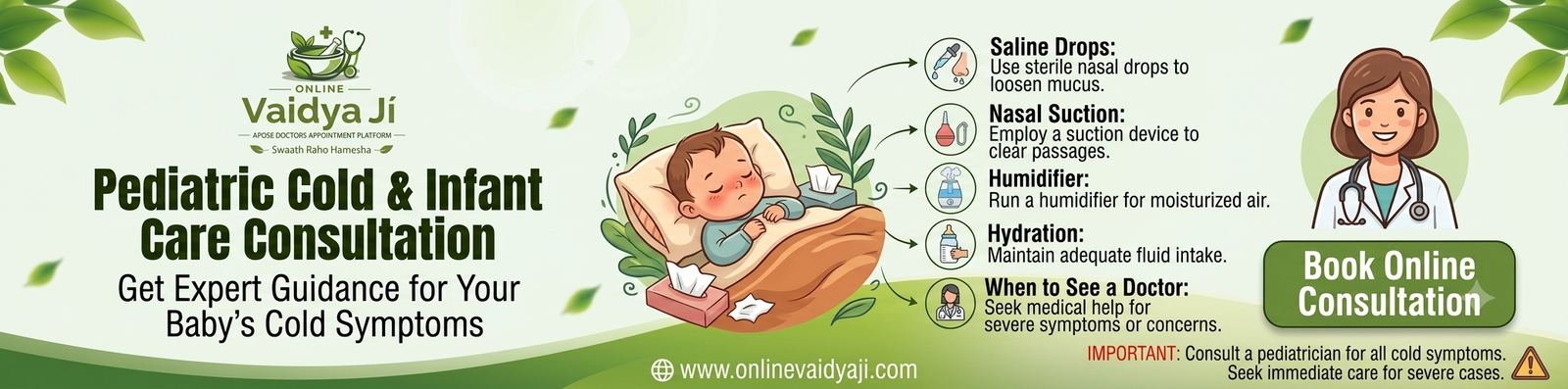
Finding safe and effective home remedies for cold in babies is all about prioritizing comfort, hydration, and gentle airway clearance while your little one’s immune system naturally clears the virus. Simple techniques—such as using saline nose drops before feeds, suctioning with a bulb syringe, and keeping a cool-mist humidifier in the nursery—provide immediate relief without the need for over-the-counter medications. Remember that antibiotics and cough syrups are unsafe for infants, so focusing on natural supportive care and plenty of rest is the best approach. Keep a close eye on your baby’s breathing, feeding patterns, and temperature, and never hesitate to consult your pediatrician if you notice any concerning symptoms.
Frequently Asked Questions (FAQs)
1. How many colds are normal for an infant in a single year?
It is completely normal for babies and toddlers to experience between 6 to 10 viral colds per year as their developing immune systems encounter new environmental pathogens and build natural resistance.
2. Can I use Vicks or medicated rubs on my baby?
Traditional camphor, menthol, or eucalyptus rubs should never be applied directly to the skin or under the nose of infants under two years old, as they can cause severe respiratory distress and airway irritation. Always look for infant-safe, petroleum-free alternatives specifically formulated for babies if recommended by your doctor.
3. Are antibiotics effective against a baby’s cold?
No. Colds are caused exclusively by viruses, meaning antibiotics—which only target bacterial infections—will have no effect and should not be used unless a secondary bacterial complication like an ear infection or pneumonia develops.
4. Can breastfeeding help protect my baby from catching a cold?
Yes! Breast milk contains valuable maternal antibodies, white blood cells, and immune-boosting proteins that help fight off infections and reduce the severity of cold symptoms if your baby does fall ill.