
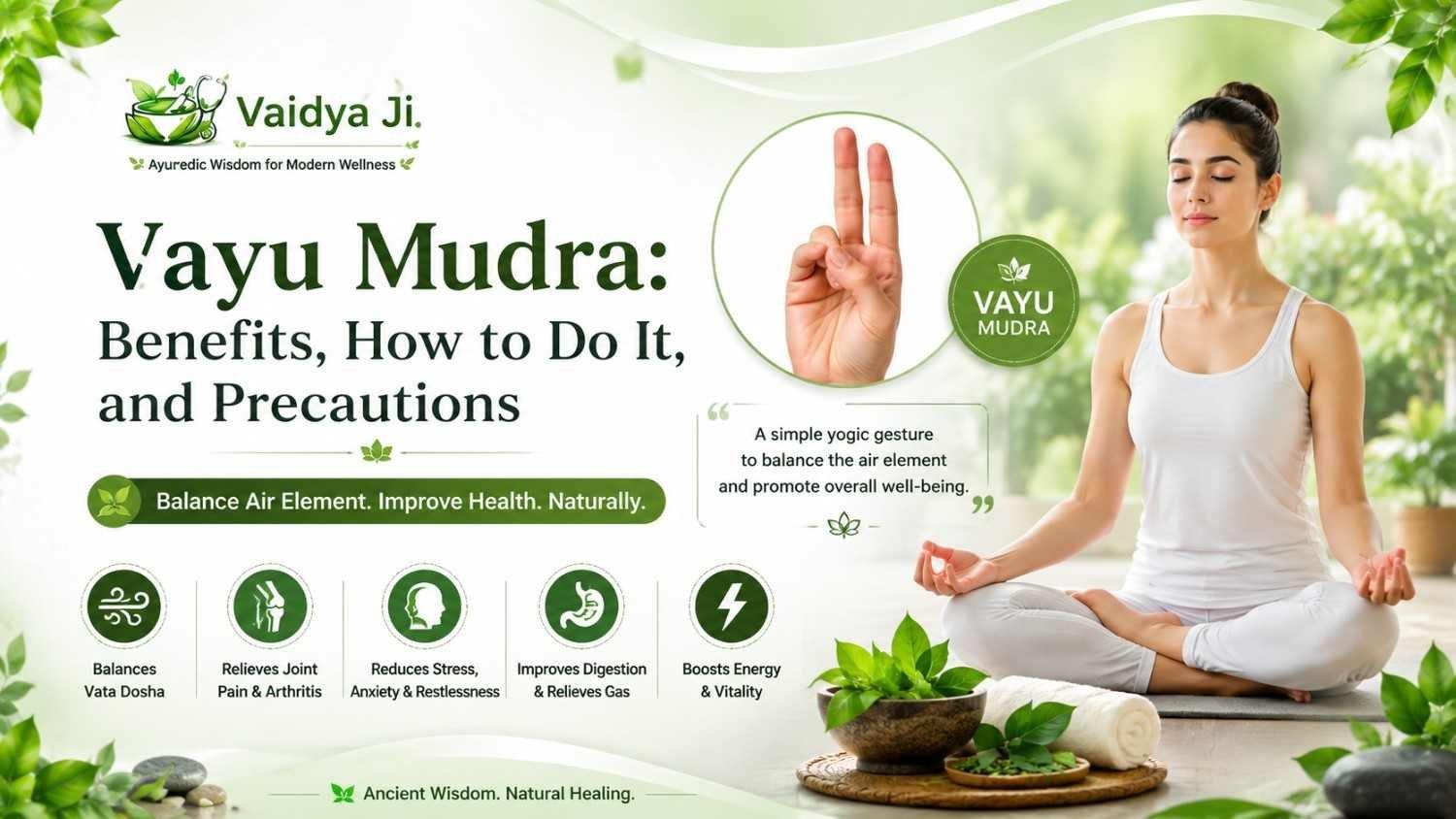
In the fast-paced world of wellness, ancient yogic practices continue to capture modern attention. Among these, yoga mudras—symbolic hand gestures that channel vital life force energy—have gained immense popularity. One such powerful gesture is Vayu Mudra, a therapeutic hand seal specifically designed to manage and balance the air element within the body.
Whether you are looking to ease persistent joint discomfort, calm an overactive nervous system, or manage digestive issues, understanding the benefits of Vayu Mudra can provide a natural, complementary tool for daily self-care.
What is Vayu Mudra?
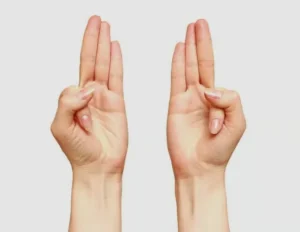
Vayu Mudra is a specialized hand gesture in yoga derived from ancient Ayurvedic principles. In Sanskrit, “Vayu” translates to air or wind, while “Mudra” means a seal or gesture. According to Ayurveda, the human body is composed of five fundamental elements (earth, water, fire, air, and space), with each finger representing a distinct element.
-
The Thumb represents Fire.
-
The Index Finger represents Air.
When the air element (associated with Vata dosha) becomes excessive or aggravated in the body, it can manifest as gas, bloating, joint stiffness, anxiety, or nerve discomfort. By folding the index finger down and applying gentle pressure with the thumb, you create a circuit that pacifies the excess air element, promoting internal stability and calm.
How to Do Vayu Mudra Correctly
Practicing this hand seal is simple, highly accessible, and requires no special equipment. You can perform it anywhere—while sitting at your desk, lying down, or even during your morning walk.
Step-by-Step Instructions:
-
Find a Comfortable Posture: Sit comfortably in a meditative posture like Padmasana (Lotus Pose), Vajrasana (Diamond Pose), or simply sit upright in a chair. You can also practice it while standing or lying down.
-
Position Your Hands: Rest both hands palms-facing-up on your knees.
-
Fold the Index Finger: Bend your index finger so that its tip touches the base of your thumb.
-
Apply Gentle Pressure: Place your thumb over the first joint of the folded index finger, pressing down lightly.
-
Keep Remaining Fingers Straight: Keep your middle, ring, and pinky fingers extended and relaxed.
-
Breathe Deeply: Close your eyes, focus on your breath, and maintain this gesture while practicing slow, deep inhalations and exhalations.
Duration and Timing:
-
How long: Practice this for 10 to 15 minutes at a stretch, 2 to 3 times a day.
-
Maximum duration: It can be extended up to 45 minutes daily if managing chronic discomfort, but should be discontinued once symptoms subside.
Key Benefits of Vayu Mudra
Traditional Ayurvedic texts suggest that balancing the air element can help manage numerous minor imbalances. The vayu mudra benefits span across physical, digestive, and mental well-being:
1. Relief from Digestive Discomfort and Bloating
Excess air in the digestive tract often leads to flatulence, abdominal distension, and indigestion. Practicing this gesture—especially after meals in a posture like Vajrasana—helps expel trapped gas and encourages smoother gastrointestinal function.
2. Alleviating Joint Pain and Arthritis
An aggravated Vata dosha is primarily responsible for dryness in joints, stiffness, and conditions like rheumatism, gout, sciatica, and cervical spondylitis. Regular practice helps lubricate joints by restoring proper air circulation and easing stiffness.
3. Calming Anxiety and Mental Stress
When the nervous system is overwhelmed, feelings of nervousness, confusion, and chronic restlessness can surface. By grounding the air element, this mudra helps soothe an anxious mind, improves focus, and supports restful sleep.
4. Managing Respiratory and Tension Issues
Because air governs the respiratory channels, individuals dealing with mild breathlessness or chest tightness often find comfort through regular yogic breathing combined with this seal. It also helps relieve sudden spasms, neck stiffness, and involuntary tremors associated with neurological conditions like Parkinson’s disease.
Read More Blog : 7 Benefits of Yoga for Mind and Body
Quick Comparison: Vayu Mudra vs. Related Practices
Potential Vayu Mudra Side Effects and Precautions
While yoga mudras are generally safe and non-invasive, mindful practice is essential. Keeping safety in mind ensures you reap the maximum rewards without adverse outcomes.
-
Do Not Practice Excessively: One of the notable vayu mudra side effects occurs when it is practiced for too long after symptoms have resolved. Since its core function is to reduce the air element, over-practicing can lead to an excessive drying effect in the body, brittle nails, or dry skin.
-
Temporary Use: Discontinue the practice once your target symptom (such as acute joint pain or gas) improves.
-
Medical Guidance: Mudras are complementary wellness practices and should never replace professional medical diagnosis or prescribed medications for chronic conditions.
Conclusion
Incorporating ancient yogic gestures into your daily routine is a simple yet powerful way to take charge of your holistic well-being. By understanding the core benefits of Vayu Mudra, you can naturally manage common health concerns such as digestive bloating, joint stiffness, and stress without needing complex equipment.
However, moderation is key. Practice this mudra mindfully, listen to your body, and discontinue use once your symptoms improve to maintain a healthy elemental balance. While Vayu Mudra serves as an excellent complementary self-care tool, it should always be practiced alongside proper guidance and should never replace professional medical advice for chronic health conditions. Start small, stay consistent, and embrace a calmer, more balanced lifestyle today!
Frequently Asked Questions (FAQs)
What are the main benefits of Vayu Mudra?
The primary benefits include reducing excess gas and bloating, soothing joint pain and arthritis stiffness, calming anxiety, relieving neck stiffness, and supporting overall nervous system balance.
Can Vayu Mudra act as a mudra for urine infection or urinary issues?
While Vayu Mudra primarily focuses on regulating the air element and managing Vata-related issues like gas and pain, traditional practices target other specific seals (like Varun Mudra, associated with the water element) for urinary tract concerns. Always consult a healthcare provider for infections.
Are there any side effects of Vayu Mudra?
There are no major side effects if practiced correctly. However, practicing it for prolonged periods after your symptoms have cleared can dry out the body’s natural moisture balance, as it depletes excess air elements.
Can anyone practice Vayu Mudra daily?
Yes, healthy individuals can practice it for 15 to 45 minutes daily. Pregnant women or individuals with severe underlying medical conditions should consult a qualified yoga expert or physician before starting any new routine.