

Experiencing tightness, heaviness, and a persistent rattle in your chest can make every breath feel like a chore. Whether it hits during the peak of winter or strikes as a lingering post-cold symptom, chest congestion is an uncomfortable respiratory issue that affects millions worldwide. Understanding why it happens, recognizing the early warning signs, and knowing effective relief strategies can help you recover faster and breathe easier.
What Causes Chest Congestion?
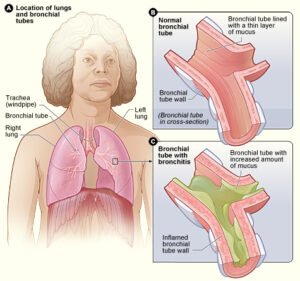
Chest congestion is primarily caused by the inflammation of the airways and the excessive accumulation of mucus in the lungs and lower respiratory tract, usually triggered by viral or bacterial infections.
When irritants or pathogens invade your respiratory system, your body mounts an immune response. This inflammation causes mucus-producing glands to go into overdrive, trapping dust, bacteria, and viruses. Key chest congestion causes include:
- Viral Infections: Common colds, influenza, and acute bronchitis account for the vast majority of cases.
- Bacterial Infections: Conditions like bacterial pneumonia or secondary bacterial bronchitis produce thick, colored sputum.
- Environmental Allergens and Irritants: Pollutants, chemical fumes, tobacco smoke, and severe indoor allergens irritate bronchial passages.
- Chronic Respiratory Conditions: Asthma and Chronic Obstructive Pulmonary Disease (COPD) frequently lead to recurrent flare-ups.
Symptoms of Chest Congestion
The hallmark symptom of chest congestion is a heavy, tight sensation in the chest accompanied by a productive cough that attempts to expel trapped mucus.
Recognizing the clinical indicators early helps prevent minor respiratory irritation from escalating into a severe infection. Common chest congestion symptoms include:
- Persistent coughing that produces thick white, yellow, or greenish mucus.
- Shallow, rapid breathing or wheezing due to narrowed airways.
- A dull, aching pain in the chest wall from constant coughing.
- Fatigue, low-grade fever, chills, and generalized body aches.
- Mild throat irritation and occasional sinus pressure.
Proven Home Remedies for Chest Congestion
Effective home remedies for chest congestion focus on thinning thick bronchial secretions, soothing irritated airways, and encouraging natural mucus expulsion without harsh pharmaceutical side effects.
When you are looking for actionable steps on how to relieve chest congestion right from your kitchen, several time-tested natural solutions can provide profound relief:
1. Steam Inhalation and Deep Hydration
Inhaling warm, moisture-rich air helps loosen stubborn mucus lining your bronchial tubes. Boil a pot of clean water, transfer it to a stable surface, drape a towel over your head, and gently inhale the steam for 5 to 10 minutes. Simultaneously, drinking plenty of warm fluids—such as herbal teas, clear broths, and warm water—keeps your body hydrated, which naturally thins out mucus consistency.
2. Ginger, Turmeric, and Honey Elixirs
Nature provides powerful anti-inflammatory and antimicrobial agents that combat respiratory discomfort.
- Ginger: Crush fresh ginger root and boil it in water to create a soothing tea. Ginger helps relax airway smooth muscles and reduces inflammation.
- Turmeric: Boiled with a pinch of black pepper and carom seeds, turmeric delivers curcumin, which acts as a potent antioxidant to ease chest tightness.
- Honey: A natural demulcent that coats the throat and calms cough reflex spasms when mixed with warm water or herbal infusions.
3. Therapeutic Essential Oils
Aromatherapy using therapeutic-grade essential oils can open up constricted airways. Adding a few drops of eucalyptus, peppermint, or lavender oil to a bowl of steaming water allows you to inhale cooling menthol vapors, which break down heavy mucus and promote easier breathing.
Natural Remedies vs. Medical Treatments: A Comparison
| Approach Type | Best Used For | Primary Benefits | Key Considerations |
| Home Remedies | Mild to moderate mucus buildup, early cold symptoms | Natural, accessible, supports hydration and airway soothing | Works gradually; not a substitute for prescription medication in severe infections |
| Over-the-Counter (OTC) | Moderate cough, stuffiness, and localized pain | Provides quick relief using expectorants (Guaifenesin) and suppressants | Read labels carefully; may cause drowsiness or interact with other drugs |
| Prescription Care | Severe bacterial bronchitis, pneumonia, or asthma flare-ups | Targeted intervention using antibiotics, bronchodilators, or steroids | Requires professional medical diagnosis and supervised administration |
Effective Chest Congestion Treatment Options
Appropriate chest congestion treatment depends entirely on the underlying root cause, ranging from supportive at-home care to targeted pharmacological therapies.
Achieving successful chest mucus removal requires a balanced approach. If natural strategies are insufficient, clinical interventions for chest congestion treatment typically include:
- Expectorants: Medications containing guaifenesin thin mucus consistency, making it far easier to cough up and clear from the lower respiratory tract.
- Bronchodilators: Inhalers prescribed for asthma or bronchitis that relax tight bronchial muscles and immediately widen narrowed air passages.
- Antibiotics: Specifically prescribed if diagnostic evaluations confirm a primary or secondary bacterial infection.
When to Seek Medical Attention
While most mild cases resolve with rest and hydration, certain red-flag symptoms require immediate medical evaluation. Consult a physician immediately if you experience:
- A persistent cough lasting longer than three weeks.
- Coughing up blood or rust-colored sputum.
- Severe chest pain or sharp stabbing sensations when breathing.
- Bluish discoloration around your lips or fingernails (cyanosis).
- High fever accompanied by confusion, severe dizziness, or extreme shortness of breath.

Conclusion
Dealing with chest congestion can significantly disrupt your daily routine and energy levels, but understanding its triggers and utilizing the right combination of natural remedies and medical care ensures a smooth recovery. By staying hydrated, trying steam inhalation, and monitoring your symptoms closely, you can breathe comfortably again. Always listen to your body and consult a qualified healthcare professional if symptoms persist or worsen.
Frequently Asked Questions (FAQs)
What are the fastest ways to break up chest mucus at home?
The fastest at-home methods include steam inhalation to loosen secretions, drinking warm ginger or turmeric tea, staying well-hydrated with warm water, and using a humidifier to maintain indoor air moisture.
How long does chest congestion typically last?
Mild viral chest congestion usually resolves within 7 to 10 days as your immune system fights off the infection. However, a lingering post-viral cough can sometimes persist for up to three weeks.
Can essential oils help relieve heavy chest tightness?
Yes, inhaling vapors from essential oils like eucalyptus, peppermint, and lavender can help relax airway passages, reduce inflammation, and ease breathing discomfort safely.
When should I see a doctor for chest congestion?
You should seek professional medical care if your congestion lasts longer than three weeks, is accompanied by high fever, severe chest pain, breathing difficulties, or if you cough up blood.