
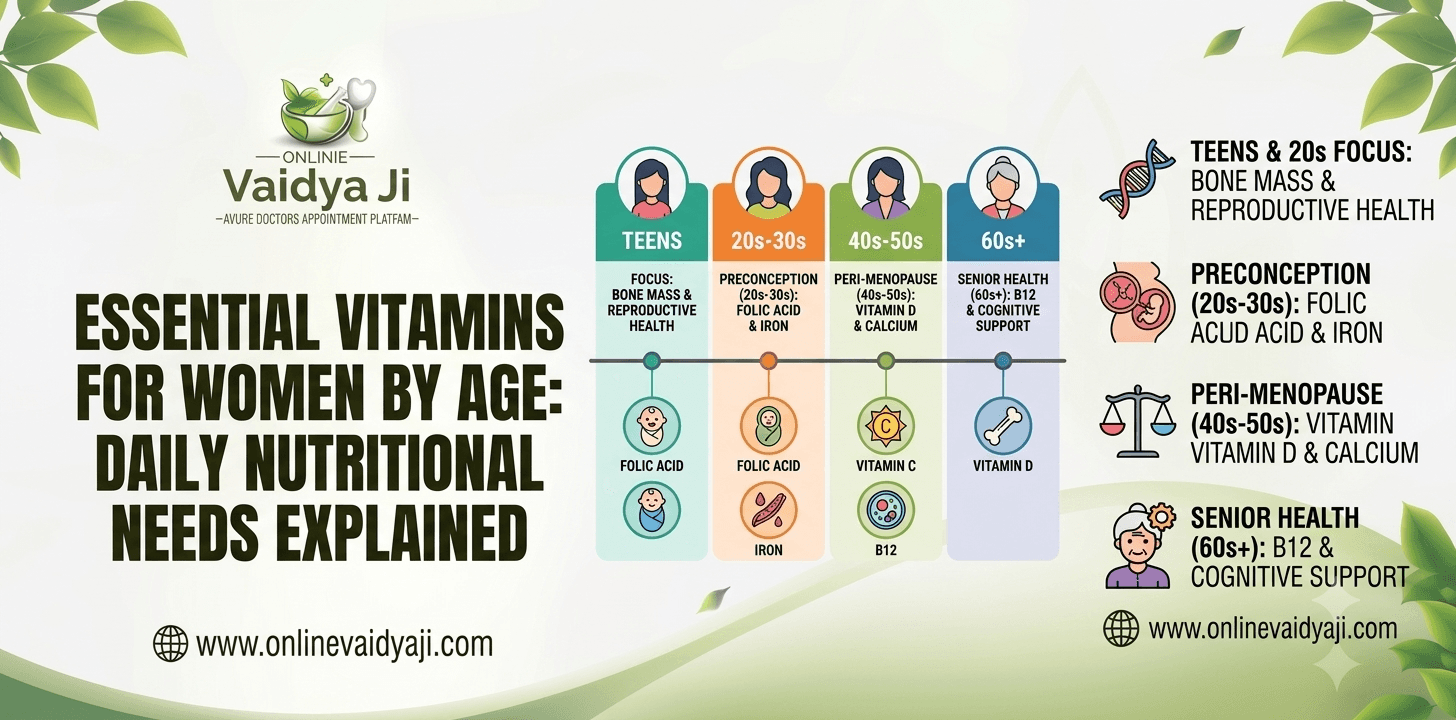
Women juggle countless responsibilities every single day, often prioritizing the health of their families above their own. However, female physiology has unique nutritional requirements that change across different life stages. To maintain optimal energy, hormonal balance, strong bones, and robust immunity, incorporating the right essential vitamins for women into your daily routine is vital.
Whether you are aiming to enhance your overall wellness or looking for vitamins for women’s health, understanding what your body needs can transform your quality of life. This guide breaks down the most important vitamins for women, helping you identify the best vitamins for women to include in your daily vitamins for women blog or personal health plan.
Why Nutritional Needs Differ for Women

Women experience distinct hormonal fluctuations, menstrual cycles, pregnancies, and menopausal transitions throughout their lives. These biological milestones alter how nutrients are absorbed, utilized, and depleted.
For instance, menstruating women require higher iron and folate reserves, while post-menopausal women face declining estrogen levels that accelerate bone mineral loss. Meeting these physiological demands requires targeted dietary choices and strategic supplementation.
1. Folic Acid (Vitamin B9): The Cornerstone of Reproductive Health
Folic acid is a water-soluble B vitamin critical for cell growth, DNA synthesis, and red blood cell formation. It is especially vital during childbearing years to prevent neural tube defects during early pregnancy.
Key Benefits and Recommendations
- Pregnancy Support: Helps prevent major birth defects of the brain and spine (such as spina bifida).
- Anaemia Prevention: Collaborates with other nutrients to produce healthy red blood cells.
- Recommended Intake: Women planning pregnancy should aim for 400 mcg daily preconception and during early pregnancy.
Natural Sources of Folic Acid
- Dark green leafy vegetables (spinach, kale)
- Legumes (beans, lentils, chickpeas)
- Broccoli, nuts, and fortified grains
2. Vitamin B12: Fueling Energy and Nerve Function
Vitamin B12 is indispensable for neurological health, DNA production, and energy metabolism. Because B12 is predominantly found in animal products, vegetarian and vegan women face a higher risk of deficiency.
Key Benefits and Recommendations
- Nerve Protection: Maintains the protective myelin sheath around nerve fibers.
- Energy and Metabolism: Combats chronic fatigue, brain fog, and megaloblastic anaemia.
- Recommended Intake: A daily dietary intake or supplement ensures steady neurological vitality, especially for plant-based eaters.
Natural Sources of Vitamin B12
- Lean meats, poultry, and fish (salmon, tuna)
- Eggs and dairy products (milk, yogurt, cheese)
- Fortified cereals and plant milks
3. Vitamin D: The Bone Health Protector
Often called the “sunshine vitamin,” Vitamin D acts more like a hormone in the body, regulating calcium and phosphorus absorption to keep skeletal structures dense and resilient.
Key Benefits and Recommendations
- Bone Density: Counteracts the rapid bone mineral loss that occurs post-menopause due to declining estrogen.
- Immune Modulation: Supports innate immune defenses and reduces systemic inflammation.
- Recommended Intake: 600 IU daily (higher dosages may be prescribed if blood tests reveal a significant deficiency).
Natural Sources and Sun Exposure
- Safe morning sunlight exposure for 15–30 minutes daily
- Fatty fish (mackerel, sardines)
- Egg yolks and fortified dairy products
4. Vitamin C: The Immunity and Collagen Booster
Vitamin C is a powerful antioxidant that protects cells from oxidative stress while driving collagen synthesis—the structural protein essential for glowing skin, blood vessels, and cartilage.
Key Benefits and Recommendations
- Enhanced Iron Absorption: Crucial for women with heavy menstrual bleeding who are prone to iron-deficiency anaemia.
- Wound Healing: Accelerates tissue repair and strengthens immune defenses.
Read More Blog : Apple, Beetroot & Carrot (ABC) Juice: Benefits, Side Effects & Nutrition
Natural Sources of Vitamin C
- Citrus fruits (oranges, lemons, sweet lime)
- Amla (Indian gooseberry) and bell peppers
- Cruciferous vegetables like broccoli and Brussels sprouts
Comparison Table: Essential Vitamins at a Glance
| Vitamin / Nutrient | Primary Role for Women | Best Food Sources | Daily Recommended Focus |
| Folic Acid (B9) | Fetal development & red blood cells | Spinach, lentils, broccoli | 400 mcg (higher during pregnancy) |
| Vitamin B12 | Nerve health & energy metabolism | Fish, eggs, dairy, fortified foods | Daily dietary or supplemental intake |
| Vitamin D | Calcium absorption & bone strength | Sunlight, fatty fish, egg yolks | 600 IU (adjusted based on lab results) |
| Vitamin C | Collagen synthesis & iron absorption | Citrus fruits, amla, bell peppers | Daily fresh produce integration |
| Iron (Mineral) | Oxygen transport & menstrual balance | Lean red meat, beans, spinach | 18 mg (non-pregnant); 30–60 mg (pregnant) |
5. Vitamin A: Vision, Skin, and Cellular Growth
Vitamin A encompasses retinoids and carotenoids that support cellular differentiation, immune function, and visual acuity.
Key Benefits and Recommendations
- Vision and Tissue Health: Protects corneal health and supports night vision.
- Skin and Immunity: Promotes healthy cellular turnover and epithelial barrier strength.
- Note: Pregnant women should monitor Vitamin A intake, avoiding excessive preformed retinol supplements, as high doses can cause birth defects.
Natural Sources of Vitamin A
- Orange and yellow produce (carrots, sweet potatoes, mangoes, papayas)
- Dark leafy greens and egg yolks
6. Vitamin K: Blood Coagulation and Skeletal Support
Vitamin K is essential for blood clotting and regulating bone mineralization, playing an especially protective role during childbirth and throughout aging.
Key Benefits and Recommendations
- Blood Clotting: Prevents excessive bleeding and supports vascular repair.
- Bone Matrix Integrity: Works synergistically with Vitamin D and calcium.
Natural Sources of Vitamin K
- Kale, spinach, Swiss chard, and broccoli
- Fermented foods and plant oils
Essential Micronutrients Comparison Across Life Stages
| Life Stage | Core Nutritional Priorities | Recommended Focus |
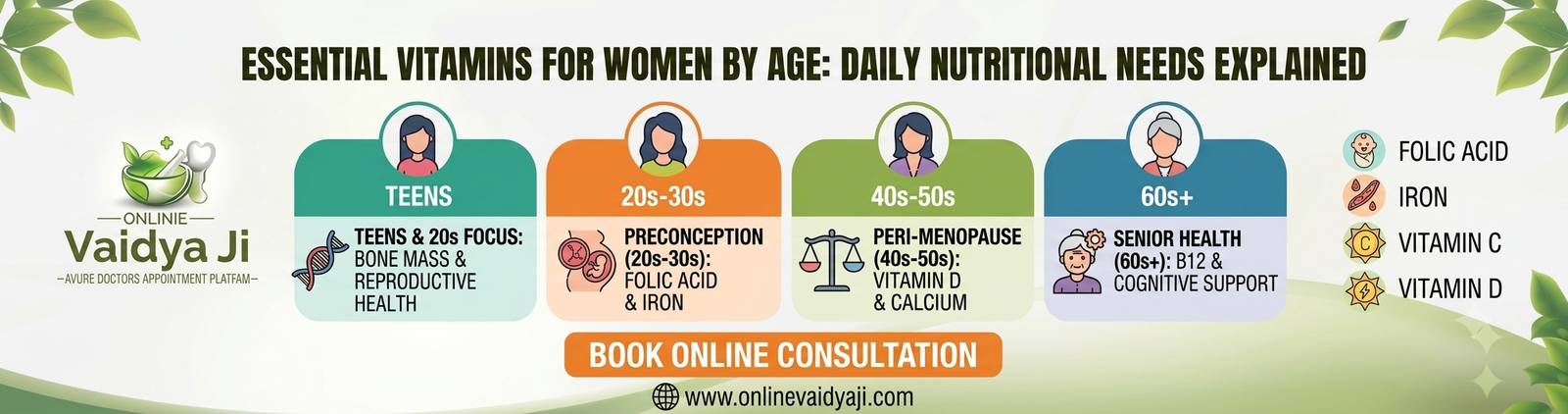
| Teens & 20s | Iron, Folic Acid, Calcium | Building peak bone mass and supporting menstrual cycles. |
| 30s & 40s (Childbearing) | Folic Acid, Iron, Vitamin B12 | Supporting fertility, pregnancy demands, and sustained daily energy. |
| 50s & Beyond (Menopause) | Vitamin D, Calcium, Vitamin B12 | Preventing osteoporosis, preserving heart health, and maintaining cognitive function. |
Conclusion
Navigating nutritional health across different life stages requires paying close attention to your body’s changing signals. By prioritizing these essential vitamins for women, including Folic Acid, Vitamin B12, Vitamin D, Vitamin C, Vitamin A, and Vitamin K, you can safeguard your bone density, support reproductive wellness, and maintain sustained daily energy.
Remember that wholesome, nutrient-dense dietary choices form the foundation of lifelong well-being. Whether you are crafting your own wellness plan or writing a daily vitamins for women blog, combining a balanced diet with professional medical guidance ensures you meet your unique nutritional goals safely and effectively.
Frequently Asked Questions (FAQs)
1. Which daily vitamins are most crucial for women’s overall health?
The most critical vitamins for women include Vitamin D for bone density, Vitamin B12 and Folic Acid for energy and reproductive health, and Vitamin C for immune support and iron absorption. Alongside these vitamins, the mineral iron is vital to prevent menstrual-related anaemia.
2. Can I get all my essential vitamins through diet alone?
A balanced diet rich in colorful fruits, vegetables, whole grains, and lean proteins can supply most of your nutritional needs. However, specific life stages (such as pregnancy or menopause), dietary restrictions (like vegetarianism), or underlying deficiencies may necessitate high-quality supplementation prescribed by a doctor.
3. When is the best time to take daily vitamins for women?
Water-soluble vitamins like Vitamin C and B-complex vitamins are best absorbed when taken in the morning with water or a meal. Fat-soluble vitamins (such as Vitamin D and K) absorb most efficiently when consumed alongside meals containing healthy fats.
4. Is it safe to take multi-vitamin supplements without a blood test?
While standard daily multivitamins are generally safe, self-supplementing with high doses of specific fat-soluble vitamins or minerals can lead to toxicity or adverse health effects. Always consult a qualified healthcare professional or gynecologist to run blood panels and tailor a supplement regimen to your exact bodily needs.