
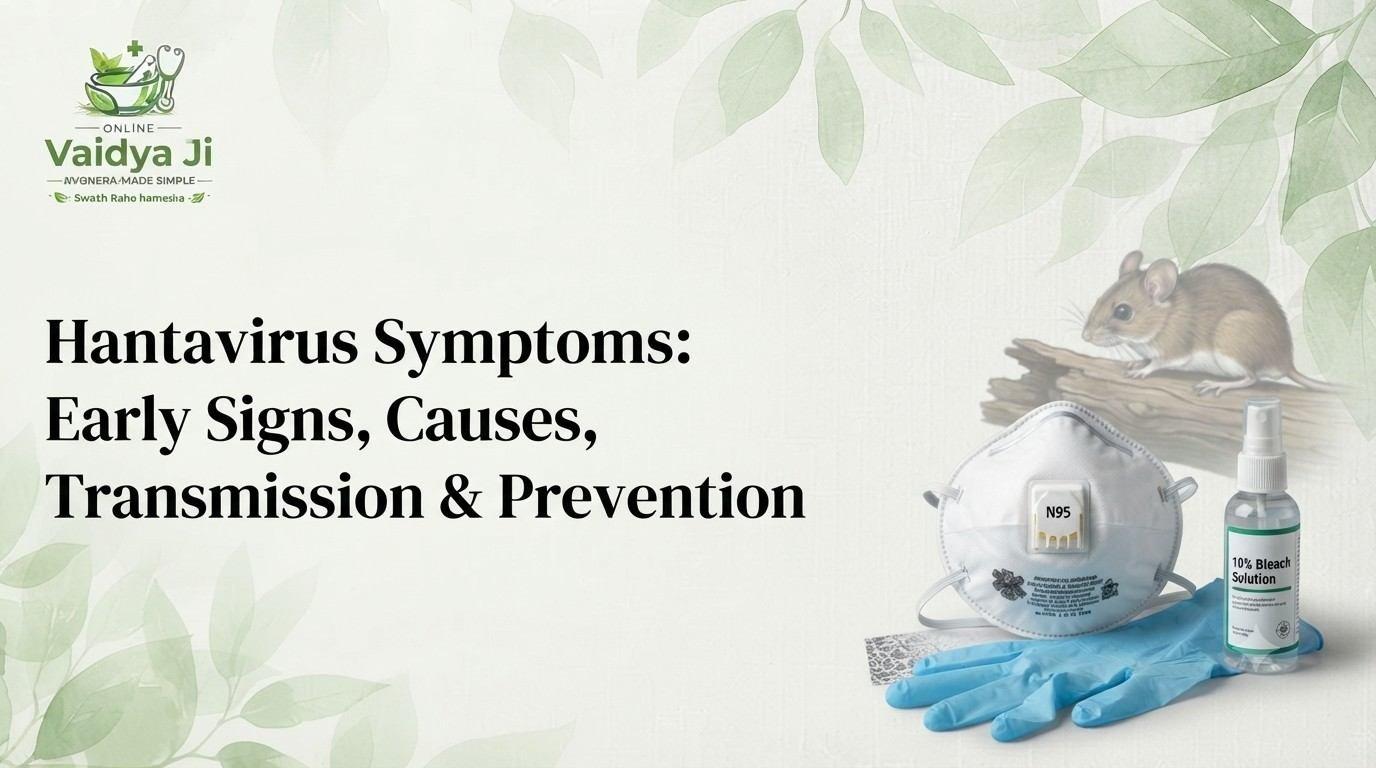
Hantavirus is a rare yet severe zoonotic viral infection that can rapidly progress to life-threatening conditions affecting the lungs and cardiovascular system. Because early manifestations closely mirror common viral illnesses, recognizing the initial signs and understanding exposure risks is vital. Knowing how the infection develops helps ensure timely medical intervention before severe complications arise.
What is Hantavirus?
What is hantavirus? It belongs to a family of zoonotic pathogens (Hantaviridae) naturally carried by rodents such as mice, rats, and voles. When humans contract these viruses, it can trigger serious medical syndromes, most notably Hantavirus Pulmonary Syndrome (HPS) in the Americas or Hemorrhagic Fever with Renal Syndrome (HFRS) primarily in Europe and Asia. The infection damages small blood vessels, leading to fluid leakage and organ distress if left unmanaged.
Primary Causes and Sources of Exposure
Understanding hantavirus causes centers primarily on human interaction with infected rodent populations and their habitats. Wild rodents, particularly deer mice, shed the virus through their biological excretions.
- Rodent Infestations: Living, working, or staying in rural dwellings, cabins, barns, or unventilated sheds with active rodent populations.
- Disturbing Excreta: Inhaling airborne dust particles contaminated with dried urine, saliva, or droppings.
- Occupational or Recreational Hazards: Engaging in farming, forestry, hiking, or cleaning long-abandoned buildings without protective gear.
Read More Blog : Giloy for Immunity: Benefits, Uses, How to Take It & Safety Tips
How is Hantavirus Transmitted to Humans?
Evaluating how is hantavirus transmitted reveals that vector-borne contact is the primary route, as the virus rarely spreads between humans.
| Transmission Route | Description | Risk Level |
| Inhalation | Breathing in aerosolized or airborne dust particles mixed with rodent urine, saliva, or feces (e.g., during sweeping or vacuuming). | Very High |
| Direct Contact | Touching contaminated surfaces, objects, or rodent waste and subsequently touching the eyes, nose, or mouth. | Moderate |
| Rodent Bites | Getting scratched or bitten directly by an infected mouse or rat. | Low / Rare |
| Person-to-Person | Direct transmission between humans (documented exclusively with the Andes virus strain in South America under close contact). | Extremely Rare |
Detailed Breakdown of Hantavirus Symptoms in Humans
Identifying hantavirus symptoms in humans early can be difficult because the incubation period typically spans from one to eight weeks, and initial indicators are non-specific.
Early Warning Signs
Initial indicators frequently resemble seasonal influenza, making patient history regarding rodent exposure critical:
- High fever and chills
- Deep-seated fatigue and generalized weakness
- Intense muscle aches, predominantly affecting large muscle groups like thighs, hips, and back
- Headaches, dizziness, and abdominal discomfort, including nausea, vomiting, or diarrhea
Advanced Pulmonary and Systemic Symptoms
Roughly four to ten days after early signs manifest, the illness can rapidly escalate into severe respiratory distress:
- Persistent dry cough and chest tightness
- Rapid breathing and severe shortness of breath
- Accumulation of fluid within the lung alveoli (pulmonary edema)
- Dangerously low blood pressure and potential cardiovascular shock
Read More Blog : Neera (Palm Nectar): Benefits, Uses, Nutrition, How to Drink & Side Effects
Effective Prevention and Safety Strategies
Because therapeutic options rely heavily on supportive hospital care, prevention remains the best defense against infection:
- Rodent Proofing: Seal cracks, holes, and entry points around homes and workspaces to prevent mice and rats from nesting.
- Safe Cleaning Protocols: Never sweep or vacuum dry rodent droppings or suspected nesting areas. Instead, saturate the area thoroughly with a bleach or disinfectant solution, let it sit for at least five minutes, and wipe it up using paper towels while wearing rubber gloves and a mask.
- Proper Food Storage: Keep food items in tightly sealed glass or plastic containers to avoid attracting rodents.
Conclusion :
Navigating the risks associated with this zoonotic pathogen requires vigilance, proper sanitation, and early awareness. By familiarizing yourself with hantavirus symptoms, maintaining rodent-free living environments, and employing safe cleaning methods, you can significantly reduce your risk of exposure. Because the illness can escalate rapidly from mild flu-like indicators to severe respiratory distress, prompt medical evaluation following any potential rodent contact remains critical. Staying informed and proactive is your best defense for protecting long-term health and preventing severe complications.
Frequently Asked Questions
What are the very first signs of a hantavirus infection?
The initial signs are non-specific and closely resemble the flu. They include sudden fever, chills, severe muscle aches (especially in the back and legs), fatigue, headaches, and occasional gastrointestinal distress like nausea or vomiting.
How long does it take for symptoms to appear after exposure?
Symptoms typically take anywhere from one to eight weeks to develop following exposure to contaminated rodent droppings, urine, or saliva.
Can hantavirus spread from person to person?
Under normal circumstances, hantavirus does not spread between humans. Transmission almost exclusively occurs via contact with infected rodents. Rare exceptions have been documented exclusively with the Andes virus strain in South America through close, prolonged contact.
Why is sweeping or vacuuming dangerous in rodent-infested areas?
Dry sweeping or vacuuming stirs up microscopic, virus-containing particles from dried rodent urine and droppings into the air. Inhaling these airborne particles is the primary mechanism through which humans contract the infection.
When should someone seek emergency medical attention?
You should seek immediate emergency care if you experience flu-like symptoms after potential rodent exposure and quickly develop warning signs such as shortness of breath, persistent coughing, chest tightness, dizziness, or sudden weakness.