When you are looking for a nutrient-dense, satisfying snack that bridges the gap between great taste and robust wellness, pumpkin seeds are an unmatched superfood. Often overlooked or tossed aside when carving jack-o’-lanterns, these tiny green kernels—frequently called pepitas—are nutritional powerhouses packed with essential minerals, healthy fats, and powerful antioxidants. Whether you want to support cardiovascular function, stabilize blood sugar, or boost your daily vitality, integrating these seeds into your diet offers exceptional wellness dividends.
Nutritional Value of Pumpkin Seeds
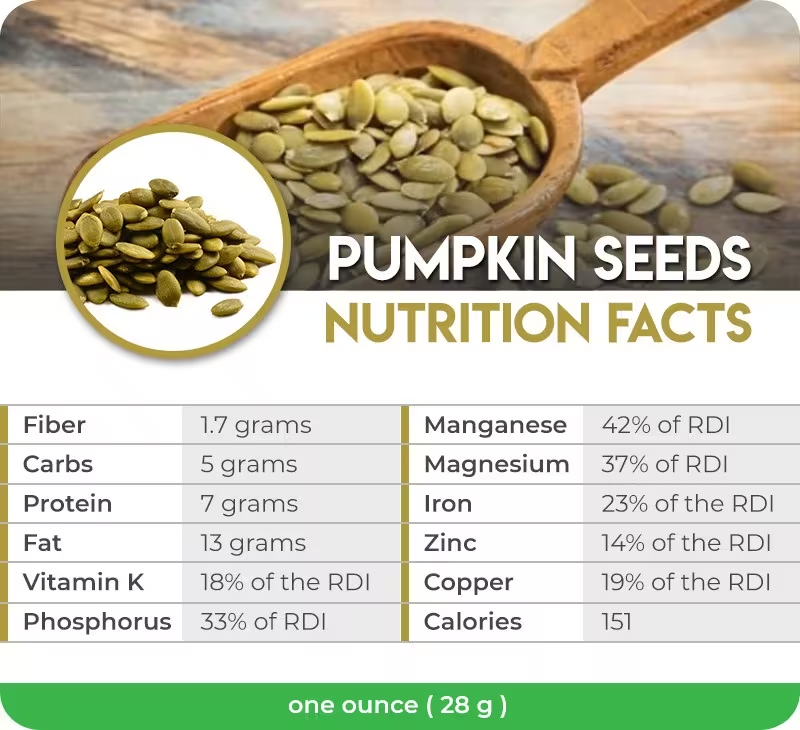
What is the nutritional breakdown of pumpkin seeds per 100 grams? Per 100 grams, roasted pumpkin seeds provide approximately 574 calories, 30 grams of protein, 49 grams of healthy fats (predominantly mono- and polyunsaturated fats), and 6.6 grams of dietary fiber. They are exceptionally rich in vital micronutrients, including magnesium, iron, zinc, copper, potassium, and B-complex vitamins (such as B1, B2, B3, and folate), alongside protective carotenoids and vitamin E.
Understanding pumpkin seeds nutrition reveals why they have earned a staple status in holistic and modern clinical nutrition alike. Their balanced macronutrient profile supports sustained energy release without causing sharp glycemic spikes.
| Nutrient Component | Value per 100g (Approx.) | Primary Health Role |
| Calories | 574 kcal | High-density energy source |
| Protein | 30.0 g | Muscle repair, cellular growth, and satiety |
| Total Fats | 49.0 g | Heart-healthy monounsaturated and polyunsaturated fats |
| Dietary Fiber | 6.6 g | Digestive regularity and cholesterol regulation |
| Magnesium | High density | Blood pressure regulation, bone density, and nerve function |
| Zinc | High density | Immune support, skin repair, and reproductive wellness |
Health Benefits of Pumpkin Seeds
Incorporating these seeds into your daily routine unlocks a wide spectrum of physiological advantages backed by both traditional wisdom and modern nutritional science.
1. Powerful Antioxidant and Anti-Inflammatory Properties
Pumpkin seeds are loaded with antioxidants like vitamin E and various carotenoids. These active compounds neutralize harmful free radicals, mitigating oxidative stress and reducing chronic systemic inflammation that underlies numerous long-term health conditions.
2. Cardiovascular Support and Heart Health
For those monitoring blood pressure and lipid panels, regular consumption offers notable cardio-protective advantages. The abundant magnesium content helps relax blood vessels and regulate blood pressure, while plant-based fibers and phytosterols work synergistically to help lower LDL (bad) cholesterol and triglycerides.
3. Blood Sugar Regulation and Diabetes Support
Managing glycemic levels is easier with a low-glycemic, nutrient-dense snack. Because they are rich in magnesium, healthy fats, and plant proteins, pumpkin seeds help slow carbohydrate digestion and support insulin sensitivity, making them a smart addition to a diabetes-friendly dietary plan.
4. Immune System Enhancement
A resilient immune system requires adequate micronutrient intake. Pumpkin seeds deliver a potent combination of zinc and vitamin E. Vitamin E strengthens cellular immune responses against pathogens, while zinc exhibits antimicrobial properties and protects healthy cells from oxidative damage.
5. Improved Sleep Quality and Mood Balance
Struggling with restless nights? These seeds are a natural source of tryptophan, an essential amino acid that the body converts into serotonin and subsequently into melatonin—the primary hormone responsible for regulating your natural sleep-wake cycle. The magnesium present also promotes nervous system relaxation, easing mild anxiety and stress.
Targeted Health Benefits: Men and Women
While beneficial for everyone, these seeds offer specific targeted wellness advantages across different demographics.
Pumpkin Seeds Benefits for Men
How do pumpkin seeds support men’s physiological health? Pumpkin seeds are uniquely beneficial for men due to their exceptionally high zinc content, which plays a direct role in optimizing testosterone synthesis, enhancing sperm motility, and supporting overall reproductive health. Furthermore, clinical and traditional observations highlight that phytosterols and zinc-rich extracts in pumpkin seeds and their oils help maintain prostate health, assisting in the management of Benign Prostatic Hyperplasia (BPH) and promoting healthy urinary tract function.
Pumpkin Seeds Benefits for Women
Why are pumpkin seeds valuable for women’s wellness and hormonal balance? For women, incorporating these seeds provides critical support across various life stages. During pregnancy and lactation, the high concentration of iron and zinc supports fetal development, maternal immune health, and cellular growth. Additionally, their rich magnesium and fatty acid content helps mitigate premenstrual syndrome (PMS) symptoms, supports hormonal equilibrium, and promotes glowing skin and strong hair follicles through enhanced collagen synthesis.
How to Eat Pumpkin Seeds: Practical Culinary Uses
Enjoying these seeds daily is simple, versatile, and requires zero culinary complexity.
- Roasted Snack: Lightly dry-roast whole seeds or shelled pepitas in a pan with a pinch of sea salt or your favorite spices for a crunchy afternoon snack.
- Smoothie Boost: Blend a tablespoon of raw or roasted seeds into your morning green smoothie or protein shake for an extra creamy texture and nutrient kick.
- Salad and Soup Toppings: Sprinkle toasted pepitas over creamy soups, roasted vegetable medleys, or grain salads to add an inviting crunch.
- Baking and Spreads: Fold them into homemade whole-grain bread dough, energy bars, or grind them into a nutrient-packed seed butter.
Side Effects and Considerations
While exceptionally healthy, moderation remains key. Consuming excessive quantities can lead to gastrointestinal distress, including bloating, flatulence, abdominal cramps, or constipation due to the high fiber load. Furthermore, because they are calorie-dense, overeating them without accounting for daily caloric intake can contribute to unintended weight gain. Individuals taking medications for blood pressure or blood sugar should consult a healthcare practitioner, as pumpkin seeds can exert mild regulatory effects on both parameters.
Conclusion
When it comes to boosting your overall wellness, unlocking the health benefits of pumpkin seeds is one of the simplest and most effective dietary upgrades you can make. From strengthening heart health and regulating blood sugar levels to supporting targeted needs like prostate care for men and hormonal balance for women, these nutrient-packed kernels offer exceptional value in every serving. By consuming a moderate handful daily—whether raw, dry-roasted, or sprinkled over your favorite dishes—you can effortlessly harness their rich profile of magnesium, zinc, protein, and antioxidants to support long-term health and vitality.
Frequently Asked Questions (FAQs)
Can you eat pumpkin seeds every day?
Yes, incorporating a moderate handful (about 25 to 30 grams) of pumpkin seeds into your daily diet is generally safe and highly beneficial. They provide a steady supply of essential minerals like magnesium, iron, and zinc without overwhelming your digestive system.
Do pumpkin seeds help with weight management?
Yes. Despite being calorie-dense, their high protein and dietary fiber content promotes prolonged satiety, stabilizes appetite hormones, and curbs impulsive between-meal snacking, making them a valuable component of a controlled weight-loss plan.
Are pepitas and pumpkin seeds the same thing?
Pepitas are specifically the green, hulled kernels extracted from pumpkin varieties that produce seeds without a hard outer white shell (or from which the shell has been mechanically removed). They are tender, mild in flavor, and ready to eat raw or roasted.
Can pumpkin seeds be eaten raw, or is roasting better?
Both raw and roasted pumpkin seeds are healthy. While dry-roasting enhances their nutty flavor and crunch, it causes only a negligible reduction in heat-sensitive nutrients, leaving their core protein, mineral, and healthy fat profiles largely intact.