

Tiny yet mighty, sesame seeds have been a staple in human diets for thousands of years. From garnishing your favorite sushi roll to flavoring traditional sweets, these small oilseeds pack a remarkable nutritional punch.
Whether you are looking to boost your heart health, improve your skin, or simply understand the calorie count in your daily diet, this comprehensive guide covers everything you need to know about sesame seeds, their health perks, culinary uses, and potential sesame seeds side effects.
What Are Sesame Seeds?
Sesame seeds (scientifically known as Sesamum indicum) are the flat, oval-shaped seeds of the sesame plant. Available in white, black, and brown varieties, they are renowned for their nutty flavor, high oil content, and exceptional medicinal and nutritional properties.
Originating in Africa and India, sesame seeds are among the oldest oilseed crops known to humanity. They grow inside pods that burst open when ripe (hence the famous phrase “Open sesame!”). Because of their versatility, they are enjoyed worldwide in raw, roasted, or paste form (tahini).
Nutritional Profile and Calories in Sesame Seeds
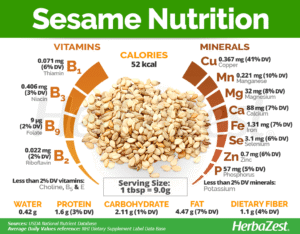
A standard 1-ounce (28-gram) serving of dried whole sesame seeds contains approximately 160 calories, along with healthy fats, plant-based protein, dietary fiber, calcium, and iron.
Understanding the nutritional breakdown helps you incorporate these seeds into your meal plan effectively. Here is a look at the macronutrient breakdown:
| Nutrient (per 28g serving) | Amount |
| Calories in sesame seeds | 160 kcal |
| Total Fat | 14 g |
| — Saturated Fat | 2 g |
| — Monounsaturated Fat | 5.3 g |
| — Polyunsaturated Fat | 6 g |
| Carbohydrates | 7 g |
| — Dietary Fiber | 3.3 g |
| — Sugars | 0.3 g |
| Protein | 5 g |
| Calcium | 18% of Daily Value (DV) |
| Iron | 16% of Daily Value (DV) |
Top Health Benefits of Sesame Seeds
Regular consumption of sesame seeds benefits your body by supporting heart health, lowering cholesterol, reducing inflammation, strengthening bones, and balancing hormones due to their rich antioxidant and mineral content.
1. Promotes Heart Health
Sesame seeds are rich in healthy monounsaturated and polyunsaturated fats, which help keep LDL (bad) cholesterol levels in check. Additionally, they contain plant compounds called lignans and phytosterols, which have been clinically shown to support healthy blood pressure levels.
2. Strengthens Bones
If you are looking for plant-based sources of calcium, unhulled sesame seeds are fantastic. Combined with magnesium, phosphorus, and zinc, these minerals work synergistically to maintain bone density and prevent age-related bone weakness.
3. Reduces Inflammation
Oxidative stress and chronic inflammation can lead to various chronic diseases. Sesame seeds contain sesamin—a powerful antioxidant that fights inflammation and protects cellular health, especially in individuals with joint discomfort.
4. Supports Thyroid and Metabolic Function
Your body needs selenium and iron to produce thyroid hormones. Sesame seeds are a great source of both, helping optimize your metabolic rate and overall energy levels.
Understanding Sesame Seeds Side Effects
While generally safe for most people, potential sesame seeds side effects include severe allergic reactions (sesame is a major allergen), digestive upset from excess fiber, and a high calorie count that may hinder weight loss if consumed in excess.
Even though natural foods are healthy, moderation is key. Here are the primary side effects to keep in mind:
- Allergic Reactions: Sesame allergy is increasingly common and can be severe, leading to symptoms ranging from hives and itching to anaphylaxis.
- Weight Gain Concerns: Because of the high number of calories in sesame seeds (160 calories per ounce), overeating them without adjusting your daily energy intake can contribute to weight gain.
- Digestive Discomfort: Eating large amounts of unhulled seeds all at once can sometimes irritate the digestive lining or cause mild bloating due to the high fiber and oil content.
Read More Blog : sesame seeds side effects
Spotlight on Black Sesame Seeds Side Effects and Benefits
Black sesame seeds are unhulled and possess a stronger, earthier taste. While they offer superior antioxidant levels, specific black sesame seeds side effects are similar to regular sesame seeds, primarily involving allergy risks and digestive sensitivities.
Benefits of Black Sesame Seeds
- Anti-Aging Properties: Traditionally used in Asian medicine, black sesame seeds are celebrated for preserving hair color, reducing hair thinning, and promoting radiant skin due to high levels of melanin and antioxidants.
- Higher Antioxidant Concentration: Because the hull remains intact, black sesame seeds contain a higher concentration of polyphenols and lignans compared to white, hulled varieties.
Potential Side Effects of Black Sesame Seeds
- Allergenicity: Just like white seeds, black varieties can trigger immediate hypersensitivity in allergic individuals.
- Stomach Sensitivities: Their tough outer hull can be harder to digest for individuals with sensitive gastrointestinal tracts.
Delicious Culinary Uses for Sesame Seeds
Incorporating sesame seeds into your daily diet is simple and delicious. Here are some of the best ways to enjoy them:
- Garnish and Toppings: Sprinkle toasted sesame seeds over stir-fries, salads, noodle dishes, and avocado toast for an instant nutty crunch.
- Baking: Add white or black seeds into homemade bread dough, hamburger buns, crackers, and cookies.
- Tahini and Sauces: Blend roasted seeds into a creamy paste (tahini) to use in dressings, hummus, and marinades.
- Snacking: Toss them into trail mixes or use them to coat energy balls.
Conclusion
Sesame seeds may be small in size, but their nutritional value and health benefits are truly monumental. Whether you prefer the classic white variety or nutrient-dense black sesame seeds, adding a spoonful of these crunchy seeds to your daily diet can support your heart, strengthen your bones, and enhance your meals with a rich, nutty flavor.
However, like any nutrient-dense food, balance is essential. Be mindful of the calories in sesame seeds and watch out for any personal allergies or sesame seeds side effects. By incorporating them wisely into your routine, you can easily harness their full wellness potential.
Frequently Asked Questions (FAQs)
1. How many sesame seeds should I eat daily?
Consuming 1 to 2 tablespoons (approx. 10 to 15 grams) of sesame seeds per day is generally considered safe and sufficient to reap their nutritional benefits without overloading on calories or fats.
2. Are black sesame seeds better than white sesame seeds?
Black sesame seeds are generally considered more nutritious because their outer hull is intact, providing higher amounts of fiber, calcium, and antioxidants. White sesame seeds, however, are milder in flavor and more commonly used in baking.
3. Can sesame seeds help lower blood pressure?
Yes. Clinical studies suggest that the magnesium, lignans, and polyunsaturated fats present in sesame seeds contribute to maintaining healthy blood pressure levels and improving overall cardiovascular function.
4. Do sesame seeds cause allergies?
Yes, sesame is recognized as a major food allergen globally. If you experience swelling, itching, or difficulty breathing after consuming sesame products, seek medical attention immediately.