
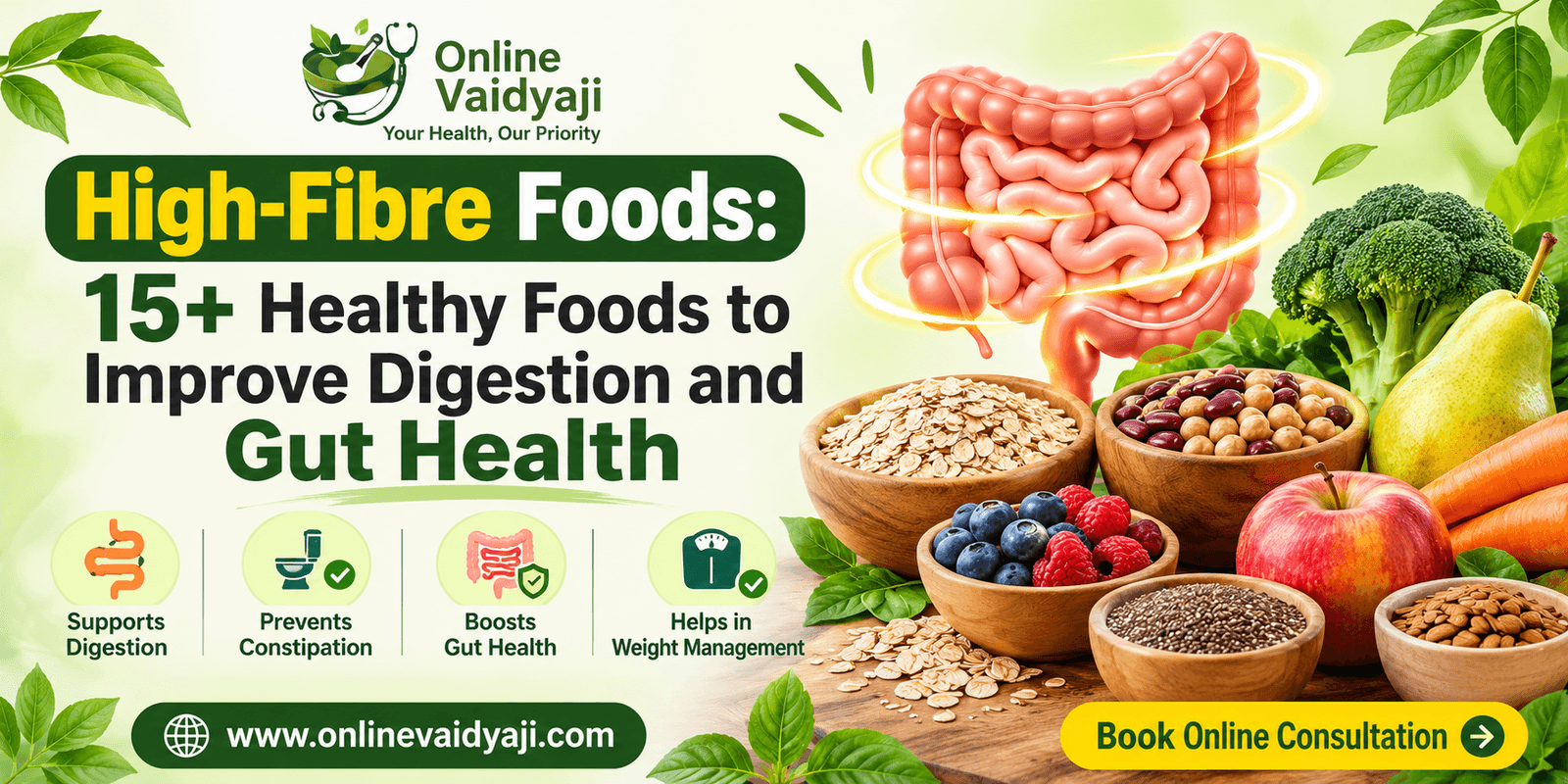
Good digestion starts with a balanced diet, and dietary fibre plays an important role in maintaining a healthy digestive system. Including high fibre foods in your daily meals can support regular bowel movements, improve gut health, help manage cholesterol levels and keep you feeling full for longer.
However, many people do not consume enough fibre because their diets contain too many refined grains and processed foods. Adding fruits, vegetables, whole grains, pulses, nuts and seeds is a simple way to increase daily fibre intake.
Whether you want to improve digestion, manage constipation or follow a healthier eating routine, choosing the right fibre rich foods can make a difference. In this guide, we will explore 15+ healthy options, their benefits and practical ways to include them in your everyday diet.
What Is Dietary Fibre?
Dietary fibre is the part of plant-based foods that the body cannot fully digest. Unlike other carbohydrates, it passes through the digestive system and helps maintain normal bowel function.
There are two commonly recognised types of dietary fibre:
- Soluble fibre: Dissolves in water and forms a gel-like substance. It can help manage blood cholesterol and support blood sugar control.
- Insoluble fibre: Does not dissolve in water. It adds bulk to stools and supports regular bowel movements.
Both types are important for digestive health, which is why a varied high fibre diet is recommended.
15+ High Fibre Foods to Add to Your Daily Diet
The best way to increase fibre intake is to eat different plant-based foods rather than depending on one source. Here are some nutritious options to consider.
1. Oats
Oats are among the most convenient high fibre foods for breakfast. They contain beta-glucan, a soluble fibre that supports healthy cholesterol levels and helps maintain steady digestion.
How to eat: Prepare oatmeal with milk, add fresh fruits or mix oats into homemade smoothies.
2. Barley (Jau)
Barley is a whole grain that contains soluble and insoluble fibre. It supports bowel regularity and makes meals more filling.
How to eat: Add cooked barley to vegetable soups, khichdi or salads.
3. Quinoa
Quinoa provides dietary fibre along with plant-based protein, magnesium and iron. It is a useful alternative to refined grains.
How to eat: Use cooked quinoa in salads, pulao or as a rice alternative.
4. Lentils (Dal)
Lentils, including masoor, moong and toor dal, are excellent foods rich in dietary fibre. They also provide plant protein and important minerals.
How to eat: Include dal, lentil soup or sprouts in your regular meals.
5. Chickpeas (Chana)
Chickpeas are nutritious legumes containing fibre and protein. They help promote fullness and support healthy gut bacteria.
How to eat: Enjoy boiled chana, chana salad, hummus or homemade chole.
6. Kidney Beans (Rajma)
Rajma is a popular Indian food that provides fibre, protein and essential nutrients. It can support digestion when included in a balanced diet.
How to eat: Prepare rajma curry and serve it with brown rice or whole-wheat roti.
7. Green Peas
Green peas are among the nutritious high fibre vegetables and also provide vitamins, minerals and plant protein.
How to eat: Add fresh or frozen peas to pulao, poha, vegetable curry and soups.
8. Broccoli
Broccoli contains dietary fibre, vitamin C, vitamin K and other beneficial plant compounds. It is a useful addition to a gut-friendly eating pattern.
How to eat: Steam, roast or lightly cook broccoli and add it to salads or stir-fries.
9. Carrots
Carrots provide fibre and beta-carotene, which the body converts into vitamin A. Eating whole carrots also helps add variety to your vegetable intake.
How to eat: Enjoy raw carrot sticks, grated salads or cooked vegetable dishes.
10. Sweet Potatoes
Sweet potatoes are a good source of fibre, particularly when eaten with their skin. They also contain potassium and beta-carotene.
How to eat: Try boiled or roasted sweet potatoes as a snack or add them to meals.
11. Apples
Apples are popular high fibre fruits containing pectin, a type of soluble fibre. They can support digestive health and make a convenient everyday snack.
How to eat: Eat a whole apple with its skin after washing it properly.
12. Guava
Guava is one of the excellent high fibre fruits commonly available in India. It provides dietary fibre, vitamin C and antioxidants.
How to eat: Eat fresh guava with its edible seeds and skin.
13. Pears
Pears contain both soluble and insoluble fibre. They can help support regular bowel movements and provide a naturally sweet snack.
How to eat: Enjoy fresh pears with their skin instead of drinking fruit juice.
14. Berries
Strawberries, raspberries and blackberries provide fibre, vitamins and antioxidants. They are useful additions to a balanced diet.
How to eat: Add berries to yoghurt, oatmeal or fruit bowls.
15. Almonds
Almonds are nutrient-dense nuts containing fibre, healthy fats, vitamin E and plant protein. They make a satisfying snack.
How to eat: Have a small handful of unsalted almonds or add chopped almonds to breakfast.
16. Chia Seeds
Chia seeds are particularly rich in dietary fibre. When soaked in water, they develop a gel-like texture that makes them easy to include in different recipes.
How to eat: Soak one tablespoon of chia seeds in water or milk and add them to smoothies or yoghurt.
17. Flaxseeds
Flaxseeds provide fibre, plant-based omega-3 fatty acids and beneficial compounds called lignans. They can help diversify your daily fibre intake.
How to eat: Use one tablespoon of ground flaxseeds in porridge, smoothies or homemade atta preparations.
Nutritional Comparison of Popular High Fibre Foods
The following table gives approximate fibre amounts for commonly consumed foods. Actual values vary according to variety, preparation and serving size.
| Food | Approximate serving | Fibre |
| Oats | 45 g | 3.5 g |
| Cooked lentils | 120 g | 8.1 g |
| Cooked chickpeas | 120 g | 6.2 g |
| Kidney beans | 120 g | 9.4 g |
| Almonds | 20 g | 2 g |
| Pear | 80 g | 1.8 g |
| Berries | 80 g | 3.3 g |
| Carrots | 80 g | 3.1 g |
Source: British Nutrition Foundation. Values are approximate and depend on preparation.
What Are the Benefits of Fibre for Your Health?
Including different high fibre foods in your daily meals offers several health benefits:
- Improves digestion: Fibre helps maintain normal bowel movements and supports digestive function.
- Prevents constipation: Insoluble fibre adds bulk to stools, making them easier to pass.
- Supports gut health: Certain fibres act as prebiotics, providing nourishment for beneficial gut bacteria.
- Helps manage cholesterol: Soluble fibre can help reduce the absorption of dietary cholesterol.
- Supports weight management: Fibre-rich meals promote fullness and may help reduce unnecessary snacking.
- Helps regulate blood sugar: Soluble fibre can slow carbohydrate absorption and support blood glucose management.
These benefits depend on overall dietary habits and lifestyle rather than any single food.
How Much Fibre Do You Need Daily?
The amount of fibre required depends on age, sex and individual health needs. As a general guideline, adults should aim for approximately 25–30 grams of fibre daily.
The World Health Organization recommends at least 25 grams of naturally occurring dietary fibre per day for people older than 10 years.
To meet this requirement, include:
- Whole grains such as oats, barley and whole wheat.
- Pulses such as rajma, chana and lentils.
- Fresh fruits such as guava, apples and pears.
- Vegetables such as carrots, broccoli and green peas.
- Nuts and seeds such as almonds, chia and flaxseeds.
Best High Fibre Foods for Constipation
Constipation can often be managed by increasing dietary fibre, drinking enough water and staying physically active. Some particularly useful foods for constipation include:
- Guava and pears: Provide fibre that supports bowel regularity.
- Prunes: Contain fibre and sorbitol, which can help soften stools.
- Chia seeds: Absorb water and form a gel-like texture.
- Lentils and beans: Add bulk and fibre to meals.
- Broccoli and sweet potatoes: Provide fibre along with essential nutrients.
If constipation continues, becomes painful or is accompanied by blood in the stool, consult a healthcare professional.
Tips to Increase Fibre Intake Safely
Follow these simple tips to make your high fibre diet easier to maintain:
- Increase fibre gradually to avoid gas and bloating.
- Drink sufficient water throughout the day.
- Choose whole fruits instead of fruit juices.
- Replace refined grains with whole grains.
- Include vegetables and pulses in your main meals.
- Add nuts and seeds to your breakfast or snacks.
Eating too much fibre suddenly can cause bloating, abdominal discomfort and gas. People with certain digestive conditions may also need individual dietary advice.
Conclusion
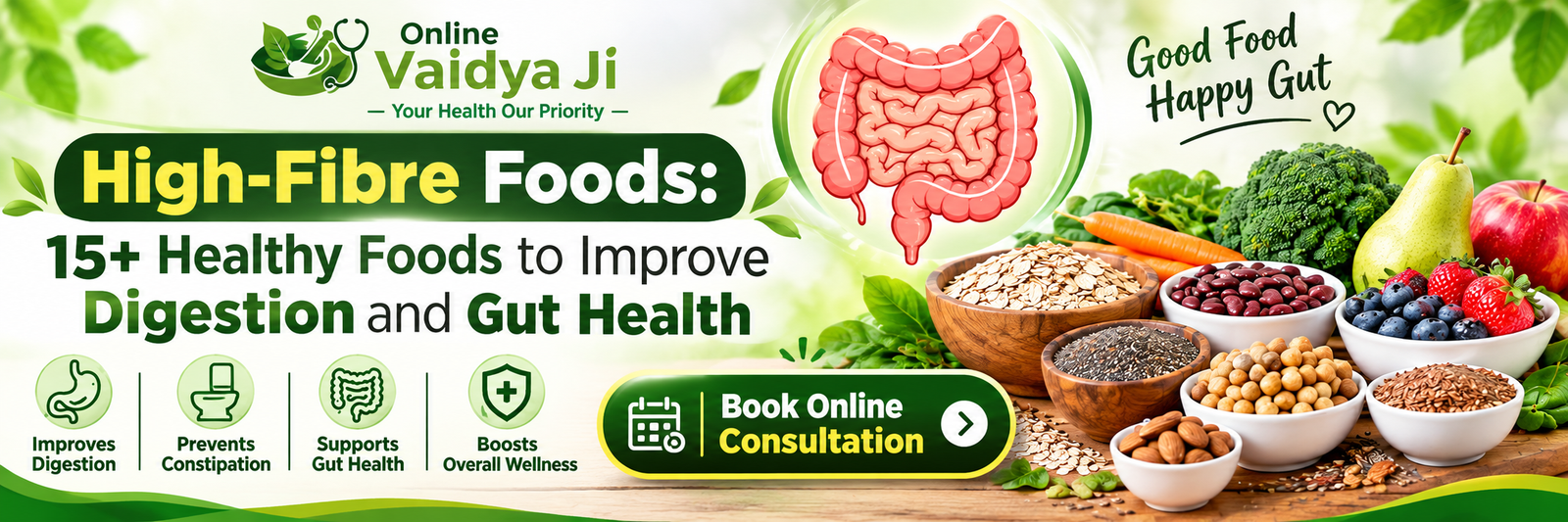
Adding high fibre foods to your daily routine is a simple way to support digestion, improve gut health and maintain regular bowel movements. Foods such as oats, lentils, rajma, guava, apples, broccoli, almonds and chia seeds offer different types of dietary fibre and essential nutrients.
Start with small dietary changes, drink enough water and include a variety of plant-based foods in your meals. A balanced high fibre diet, combined with regular physical activity, can support long-term digestive wellness.
Frequently Asked Questions (FAQs)
1. What are the best high fibre foods for daily consumption?
Some of the best options include oats, lentils, chickpeas, kidney beans, guava, apples, carrots, broccoli, almonds and chia seeds. Including different sources helps provide a variety of dietary fibres.
2. Which fruits are highest in fibre?
Guava, pears, raspberries, blackberries and apples are good high fibre fruits. Eating whole fruits with their edible skin can help increase your fibre intake.
3. Which foods are best for relieving constipation naturally?
Prunes, guava, pears, lentils, beans, chia seeds and vegetables can help improve bowel regularity. Drink enough water and increase fibre gradually for better results.
4. Can eating fibre every day improve gut health?
Yes. Regularly consuming a variety of fibre-rich foods supports bowel movements and provides nourishment for beneficial gut bacteria. However, excessive fibre intake without adequate fluids may cause digestive discomfort.